


10 UGC Content Ideas for TikTok, Instagram, and YouTube
We’re breaking down 10 specific, shootable formats you can adapt for TikTok, Instagram, and YouTube. Each one reflects what creators in our network of over one million are filming and testing right now.
Table of Contents
There’s no shortage of UGC video content ideas online, but “film a testimonial” or “show the product in your routine” only gets a creator so far. A useful idea should be specific enough to turn into a brief: what’s the hook, what happens on camera, and what gives someone a reason to keep watching?
Instead of another list of broad UGC content types, we’re breaking down 10 specific, shootable formats you can adapt for TikTok, Instagram, and YouTube. Each one reflects what creators in our network of over one million are filming and testing right now.
UGC Content Ideas Worth Testing Right Now
Every week, the SideShift team analyzes formats gaining traction across our creator network in our “What’s Working” series on Substack. The content ideas below are drawn directly from that series.
1. “Deleting This in 24 Hours”
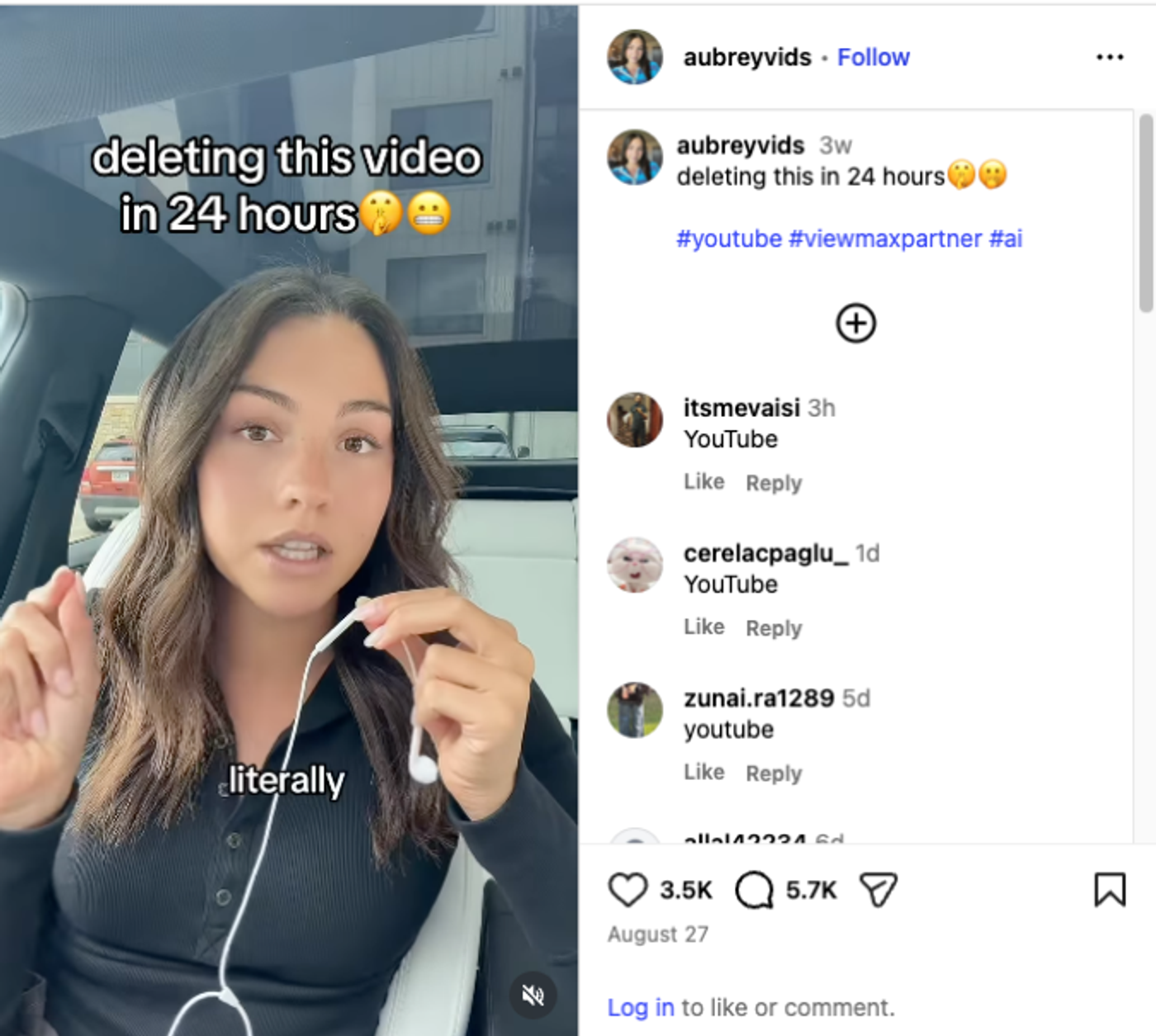
A creator frames an ordinary tip or tutorial as information that's about to disappear, telling viewers to save it now instead of presenting it as a normal how-to. The product shows up naturally inside the tip itself rather than as a separate pitch.
Treating the same information as temporary instead of evergreen gives a viewer a reason to stop and watch immediately, rather than assuming they can come back to it later.
2. Tie the Hook to a Moment on the Calendar
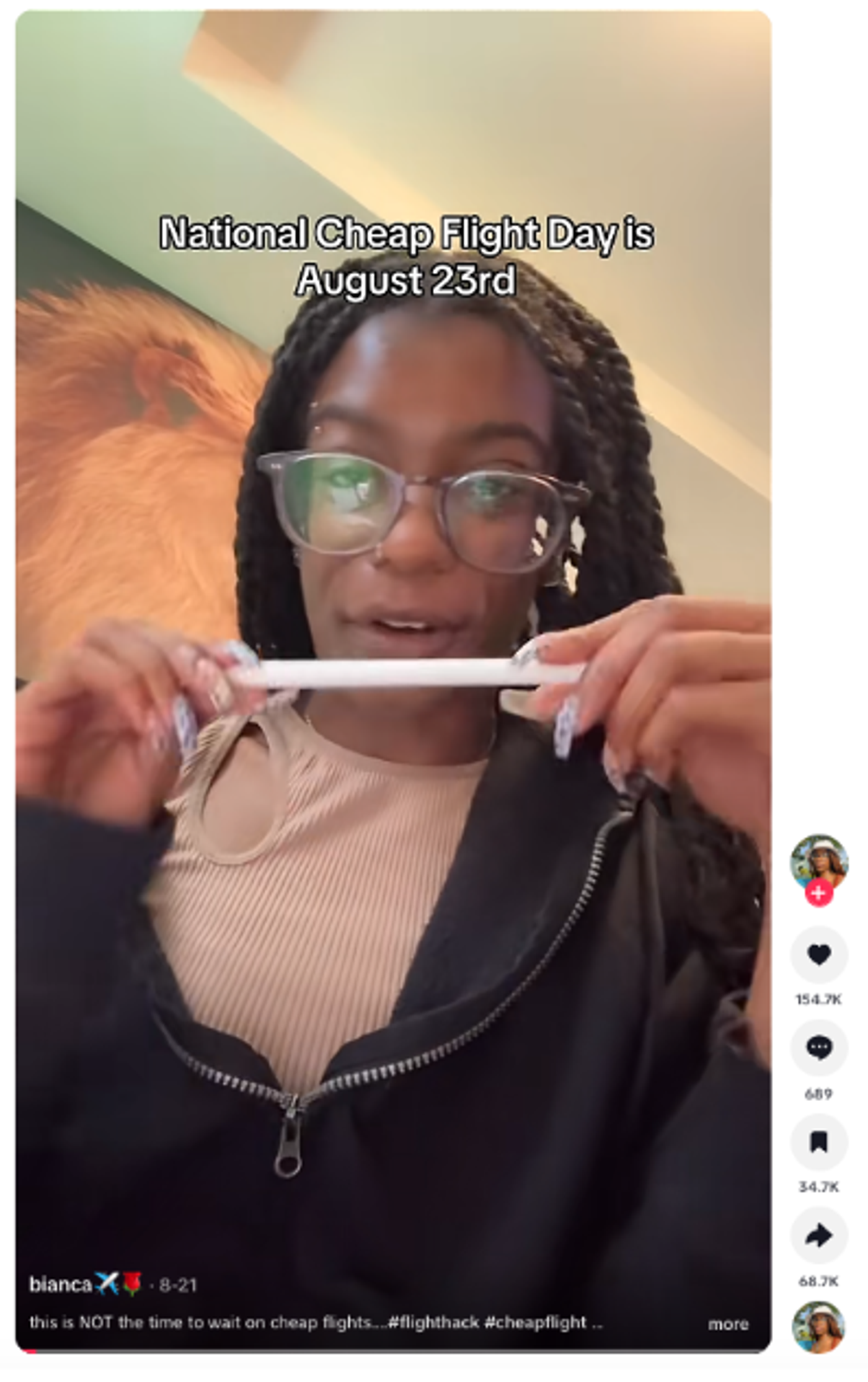
Rather than opening on the product, the creator opens on a moment the audience is already thinking about: a made-up "holiday," a back-to-school week, a major event on the calendar, and lets the emotion of that moment carry into the reveal. A travel app creator used exactly this structure, building urgency around booking a flight before the app ever entered the video.
Anchoring a video to something people are already paying attention to means the product doesn't have to manufacture interest from a cold start.
3. Niche vs. Pop Culture Trivia
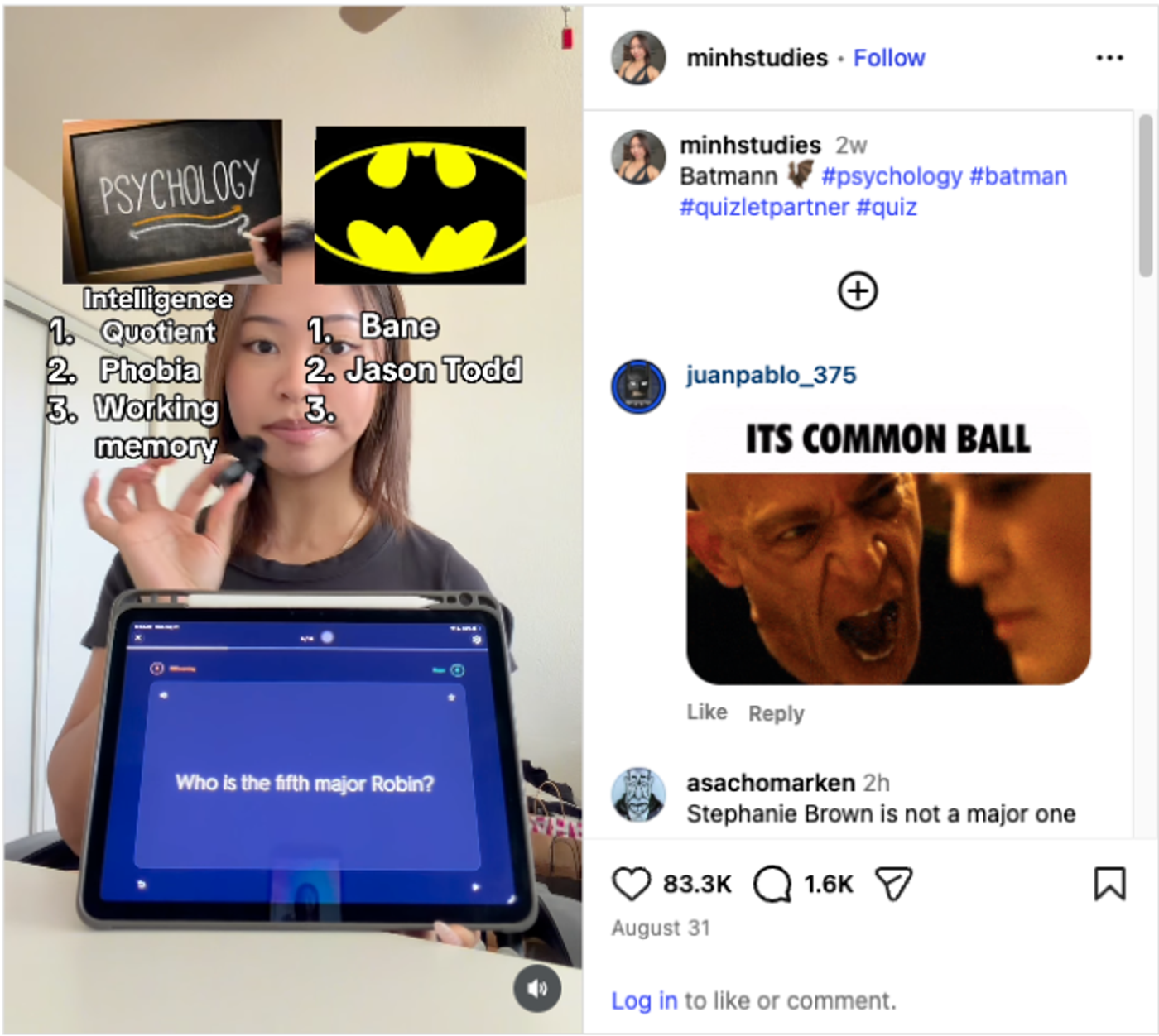
A creator turns a normal quiz into a head-to-head between their niche and something far more recognizable, asking viewers whether they know more about, for example, basic psychology or Batman, using a handful of real questions from each. The contrast is what makes people stop scrolling, and playing along keeps them watching through to the score.
Borrowing curiosity from a topic most viewers already have an opinion on gives a niche subject enough momentum to hold attention it might not earn on its own.
4. Group Reactions
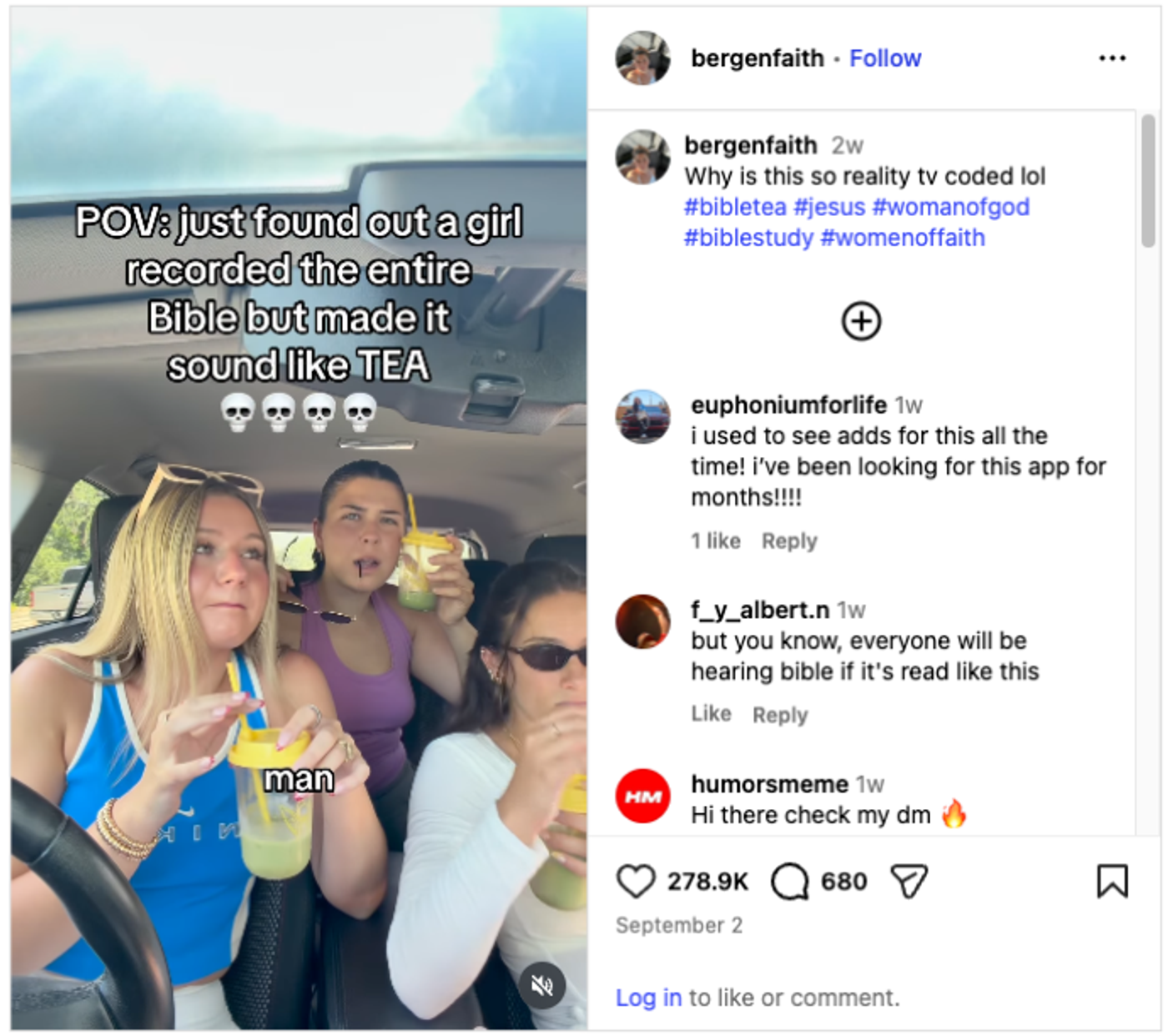
Instead of one creator reacting to the product alone, two or three friends react together, talking over each other and noticing different details, turning a single demo into something that feels like a real discovery moment. It's a small shift from the standard solo reaction video, but it changes the energy of the whole clip. Multiple people reacting at once creates more natural movement and dialogue than a scripted solo take usually manages.
5. Calling Out UGC with UGC
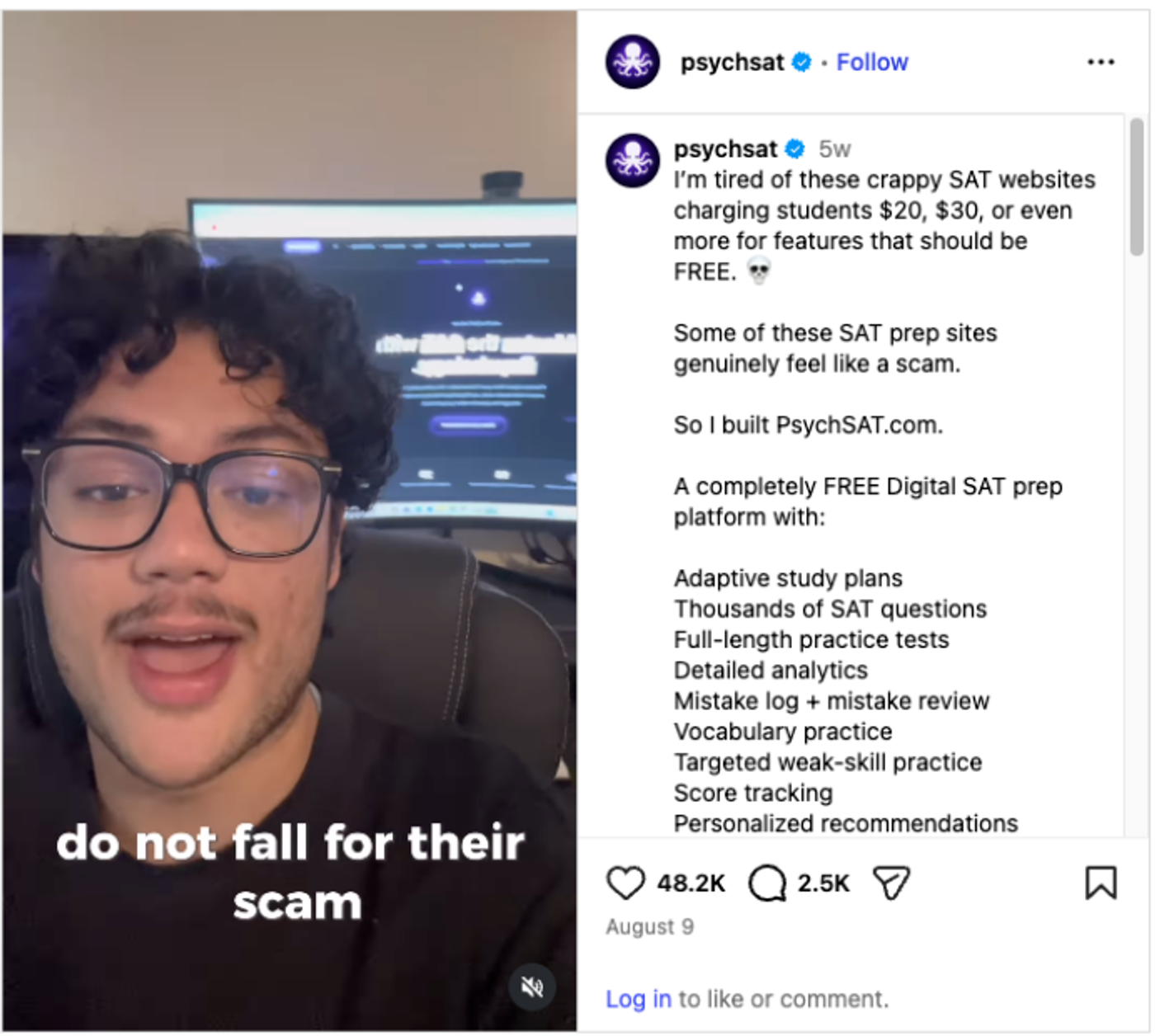
The creator opens by naming a format or claim their audience is probably tired of seeing, calling out tired, overly-scripted ad clichés, before introducing the product as the option that avoids the same trap. It reads more like commentary than an ad, which earns some credibility before the pitch even starts.
Want to put this into practice?
SideShift connects you with vetted UGC creators who actually deliver. Start your free trial and post your first job in under 10 minutes.
Viewers extend more trust to a video that seems to be in on the joke about advertising than to one that plays the pitch straight.
6. “In Case No One Told You This Before”
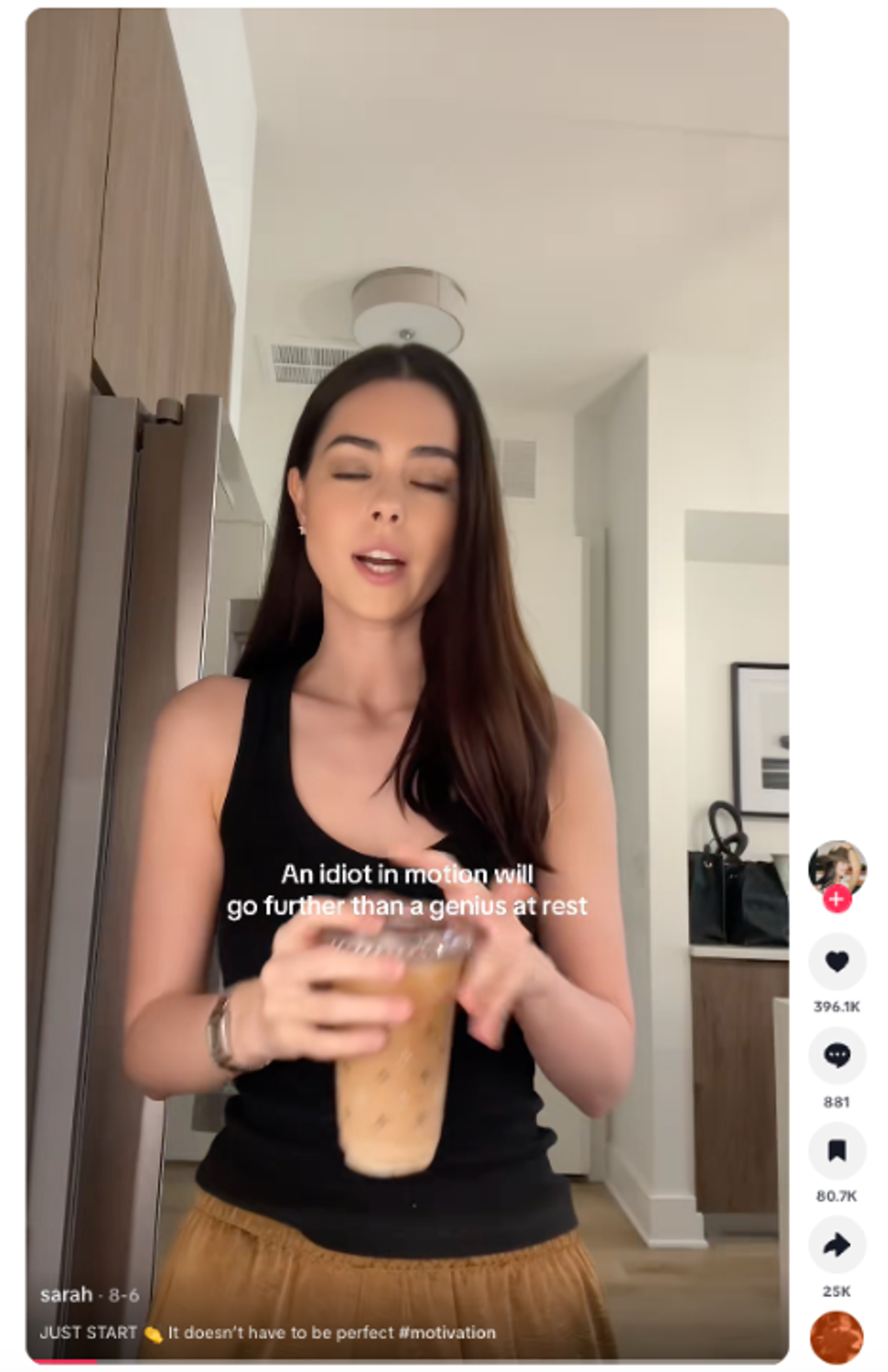
A simple, personal-sounding hook that tailors easily to almost any audience: “in case no one told you this before you started lifting,” “before you raised your prices,” “before your second kid.”
A hook this targeted filters out viewers who were never going to care and pulls in the ones who feel personally addressed.
7. Explain It Like a Caveman
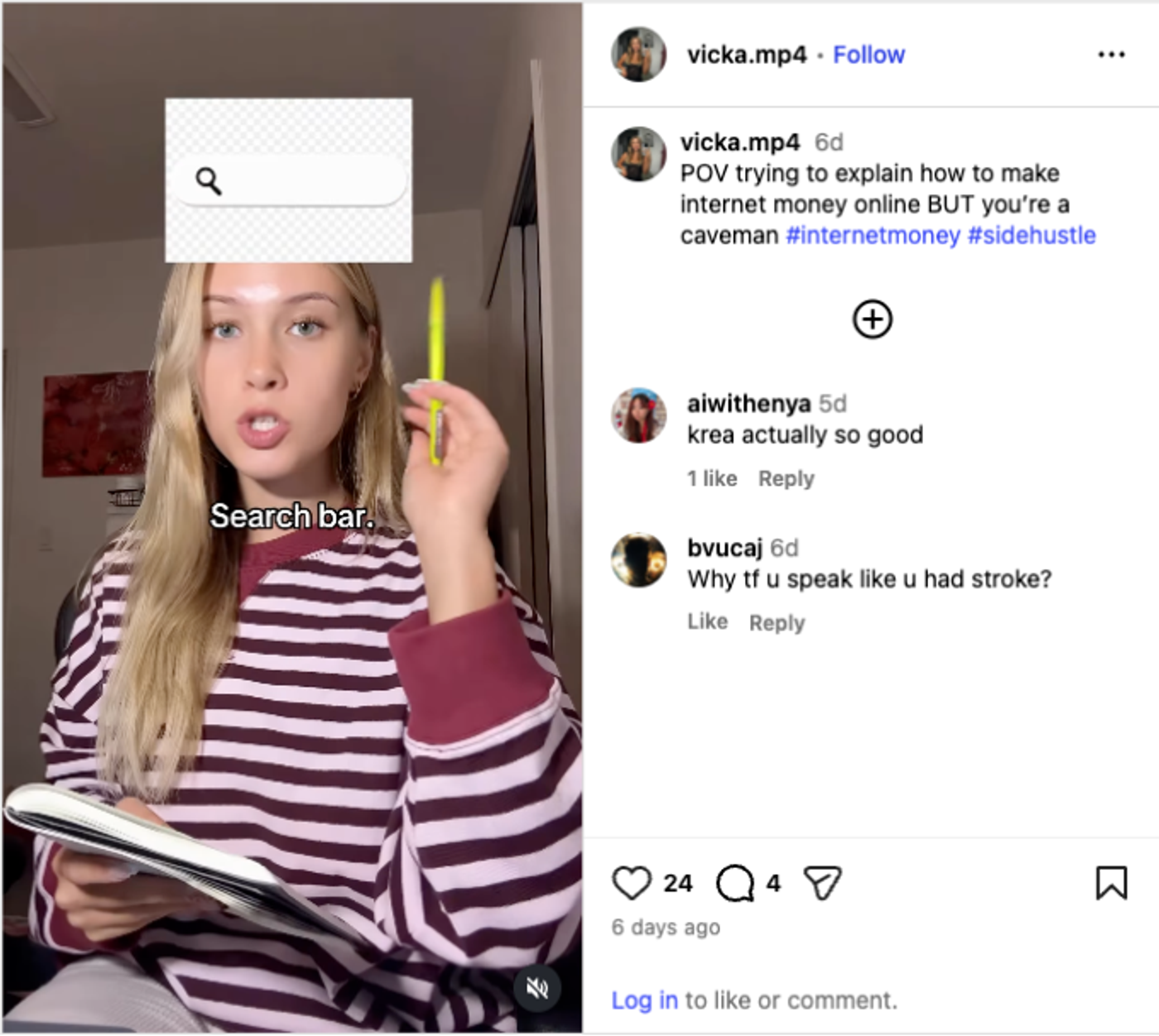
Instead of explaining a product or process normally, the creator deliberately oversimplifies it, talking in short, blunt sentences. The humor comes from stripping an overexplained topic down to its most basic form.
This travels well across almost any niche because the joke lives in the format, not the product, which means it can land even with an audience that's never heard of the brand before.
8. Wordle Sad Story
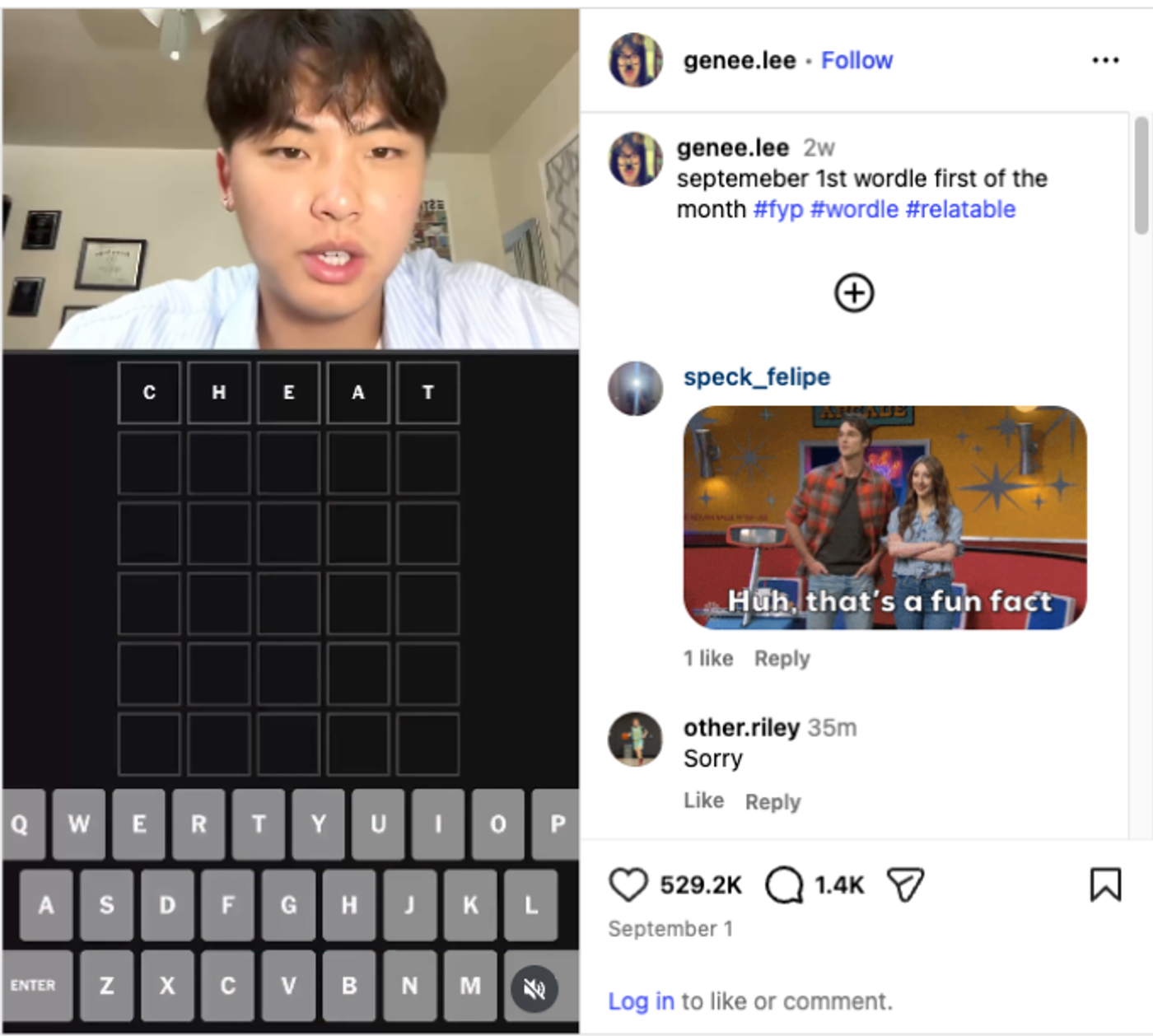
A creator turns a familiar daily word game into the vehicle for an ongoing, slightly self-deprecating story, with each guess revealing another beat of the joke and the product woven in as part of the punchline or the resolution. The game gives the video a structure viewers already understand; the story gives them a reason to stay for all six guesses.
9. The Zero-Effort Tips List
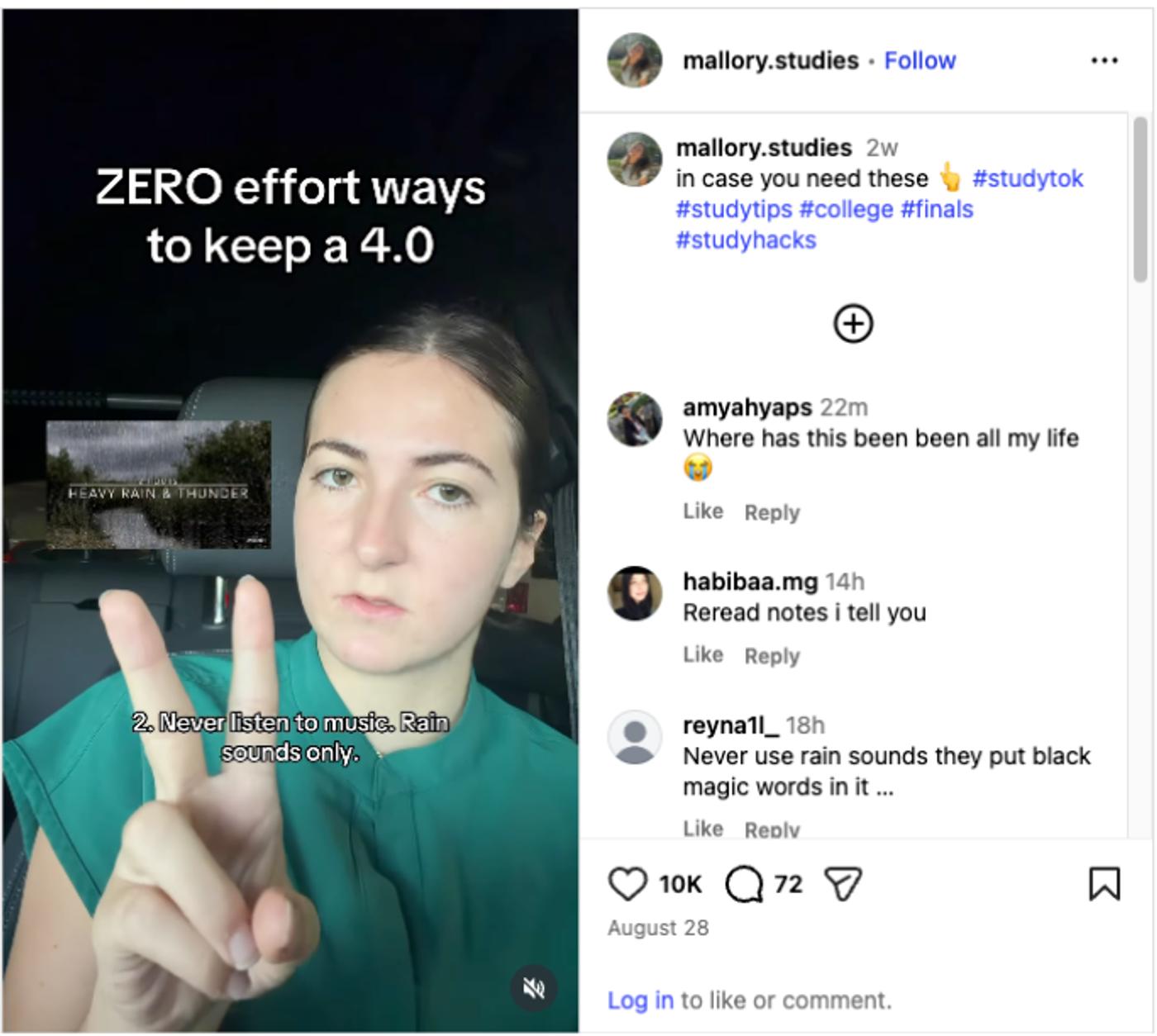
A rapid string of short, opinionated tips, each paired with a quick change in visual, moves fast enough that viewers pause, save, or rewatch just to catch everything. The product gets one line in the list instead of the whole video, which keeps the pacing from ever slowing down for a pitch.
10. Green Screen Format
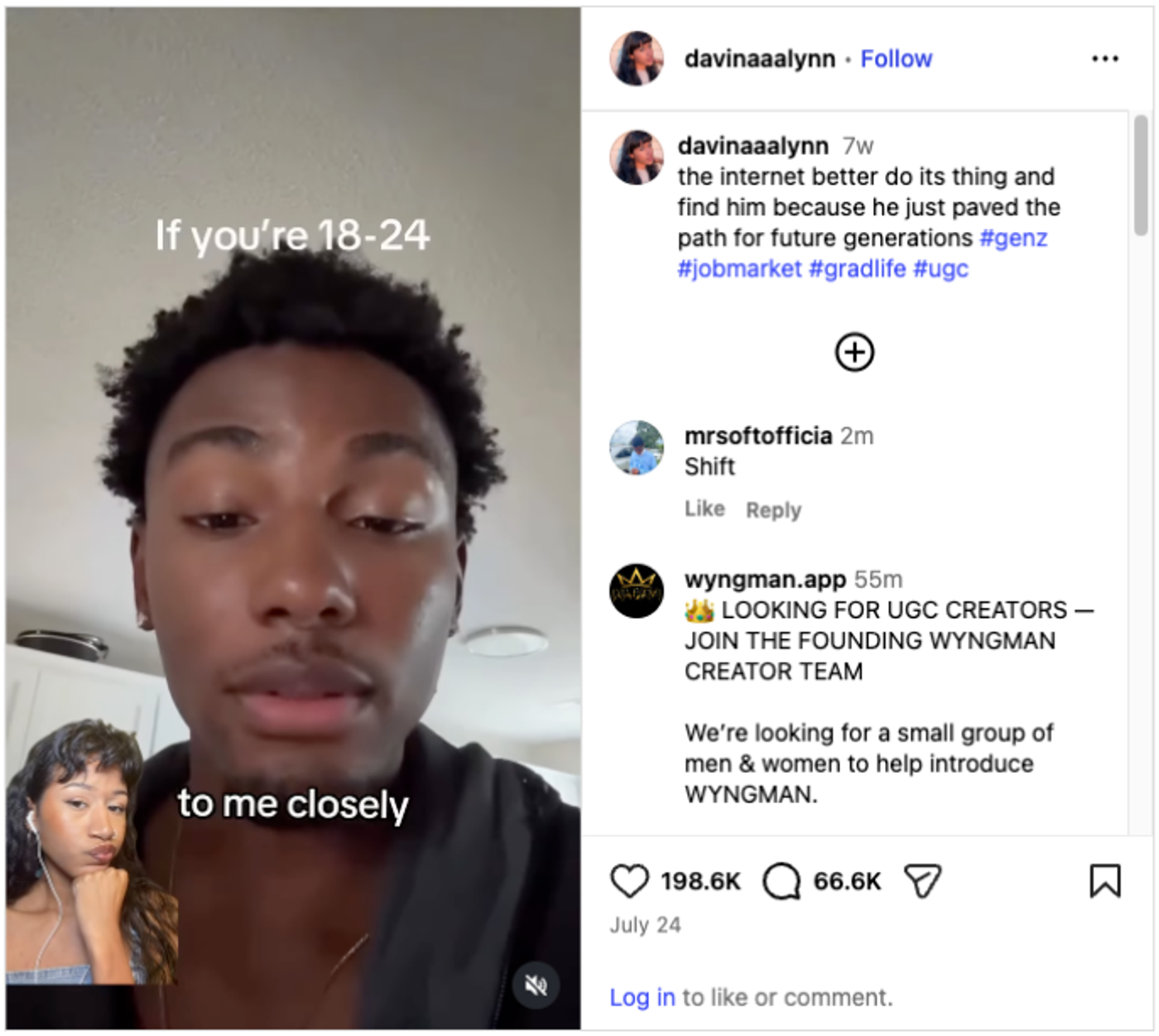
This format starts with an existing UGC video that already has a strong hook, clear pain point, and solid retention. The creator stitches it using Green Screen, then adds their own spoken hook and reaction on top. Because they’re responding to someone else’s video instead of pitching the product cold, the content feels more like a discovery worth sharing than a traditional ad.
How to Choose Which UGC Content Ideas to Test
Not every idea on this list fits every product. A fast-consumable item usually does better with TikTok-native formats built for quick, repeat exposure, while a considered purchase tends to perform better with the longer YouTube formats that give a buyer room to work through their hesitations.
Our guide to UGC hook formulas is a good next stop once you've picked a format, since the opening seconds decide whether any of these ideas get a fair chance to work. Once you're ready to turn an idea into an actual brief, our UGC script template keeps creators aligned on structure without flattening their voice, and our guide to running UGC across platforms covers how to adapt one core idea for TikTok, Instagram, and YouTube without re-briefing from scratch each time.
Want to put this into practice?
SideShift connects you with vetted UGC creators who actually deliver. Start your free trial and post your first job in under 10 minutes.
For a deeper look at how content ideas turn into distinct UGC content types, see our breakdown of the most effective types of UGC content for marketing.
Turn UGC Content Ideas Into Campaigns with SideShift
A great UGC idea is only the starting point. SideShift gives you access to 1M+ creators so you can test more concepts, hooks, and formats, see what performs, and turn the winners into your next round of creative. Briefs, approvals, deliverables, and payouts all stay in one place, so you can keep new ideas moving without slowing down production.
FAQs
1. What's the difference between UGC content ideas and UGC content types?
Content types describe broad categories, like testimonials or tutorials. Content ideas are the specific, shootable version of a type, a particular hook, structure, and angle a creator can film the same day.
2. How many UGC content ideas should I test at once?
Most brands see clearer signal testing two or three distinct ideas across a handful of creators each, rather than putting a full budget behind one idea and one creator before knowing whether the format works.
3. Do UGC content ideas differ by platform?
Yes. TikTok tends to favor fast, trend-aware formats, Instagram rewards aesthetic and save-worthy content, and YouTube gives room for longer, more detailed formats like reviews and comparisons.
4. Where do lifestyle UGC content ideas come from?
The strongest ones usually come from watching how people already use a product in daily life, then building a format around that real moment instead of inventing a scenario from scratch.
5. How often should I refresh my UGC content ideas?
Checking in monthly is a reasonable baseline. Formats that perform well tend to saturate a platform within a few weeks, so a regular refresh keeps content from feeling repetitive to the same audience.