
UGC Script Template: 12 Frameworks That Convert in 2026
Get 12 proven UGC script templates - testimonial, demo, unboxing, comparison, and more. Plus a fill-in-the-blank script structure for any creator brief.
Table of Contents
Three, two, one… Do we have your attention now?
That’s how fast a user decides to stay on, or scroll past your content.
TikTok’s own creative research found that 63% of the highest click-through videos hook viewers within the first three seconds, and the strongest-performing social media videos capture attention immediately rather than easing into the message. When working with creators, that starts with giving them a clear creative framework for communicating your brand value, instead of expecting them to invent one from scratch.
A good UGC script template gives creators a proven structure without scripting the life out of their delivery.
At SideShift, we’ve watched over 800,000 creators produce content for 1,000+ brands. When brands hand creators a clear UGC script template, they tend to ship more content, faster, with fewer revision rounds. Below are the 12 UGC script examples we see converting most often, plus a fill-in-the-blank structure you can drop into any brief.
What Are The 12 Best UGC Script Templates?
Below are 12 proven UGC script templates, each built around a strong hook designed to stop the scroll. For every framework, you’ll find a fill-in-the-blank template you can include in your creator briefs, along with a real-world example to show how it works in practice.
- Problem-Solution
- Testimonial
- Product demo
- Unboxing
- Before and after
- Three reasons why
- Comparison
- Routine integration
- Myth-busting
- Storytime
- Objection handling
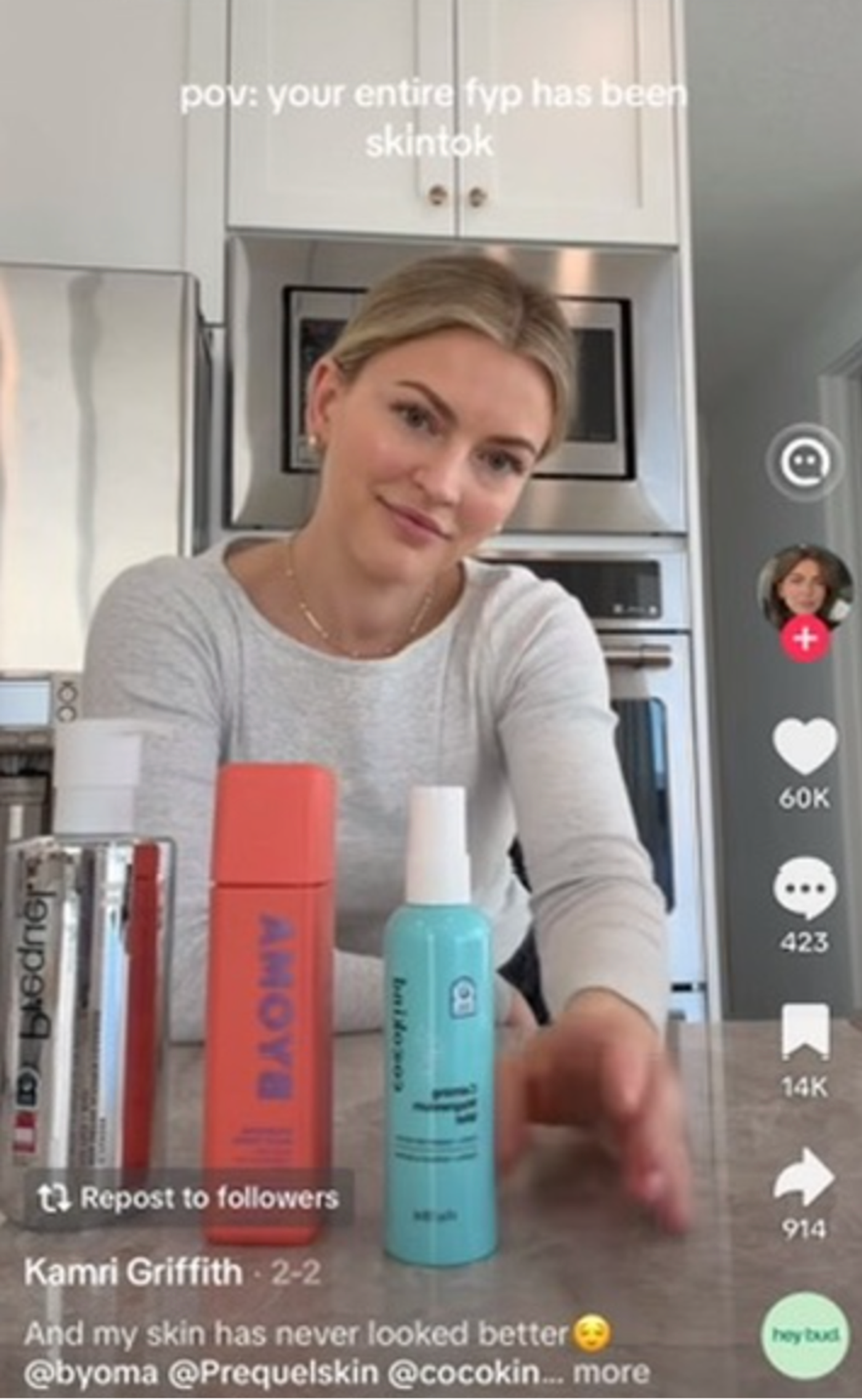
- POV
1. Problem-Solution
Open on the pain point, and make it specific, then introduce the product, brand, service or experience as the fix.
- Template: “I was so tired of [specific problem]. I tried [failed alternative] and it made things worse. Then I found [product]. Now [specific result]. If you deal with [problem], [CTA].”
- Example: “I was so tired of editing videos for three hours a night. Then I found this app, and now my edits take ten minutes.”
- Best for: paid ads, cold audiences
- Funnel stage: top of funnel
- Ideal length: 20-35 seconds
2. Testimonial
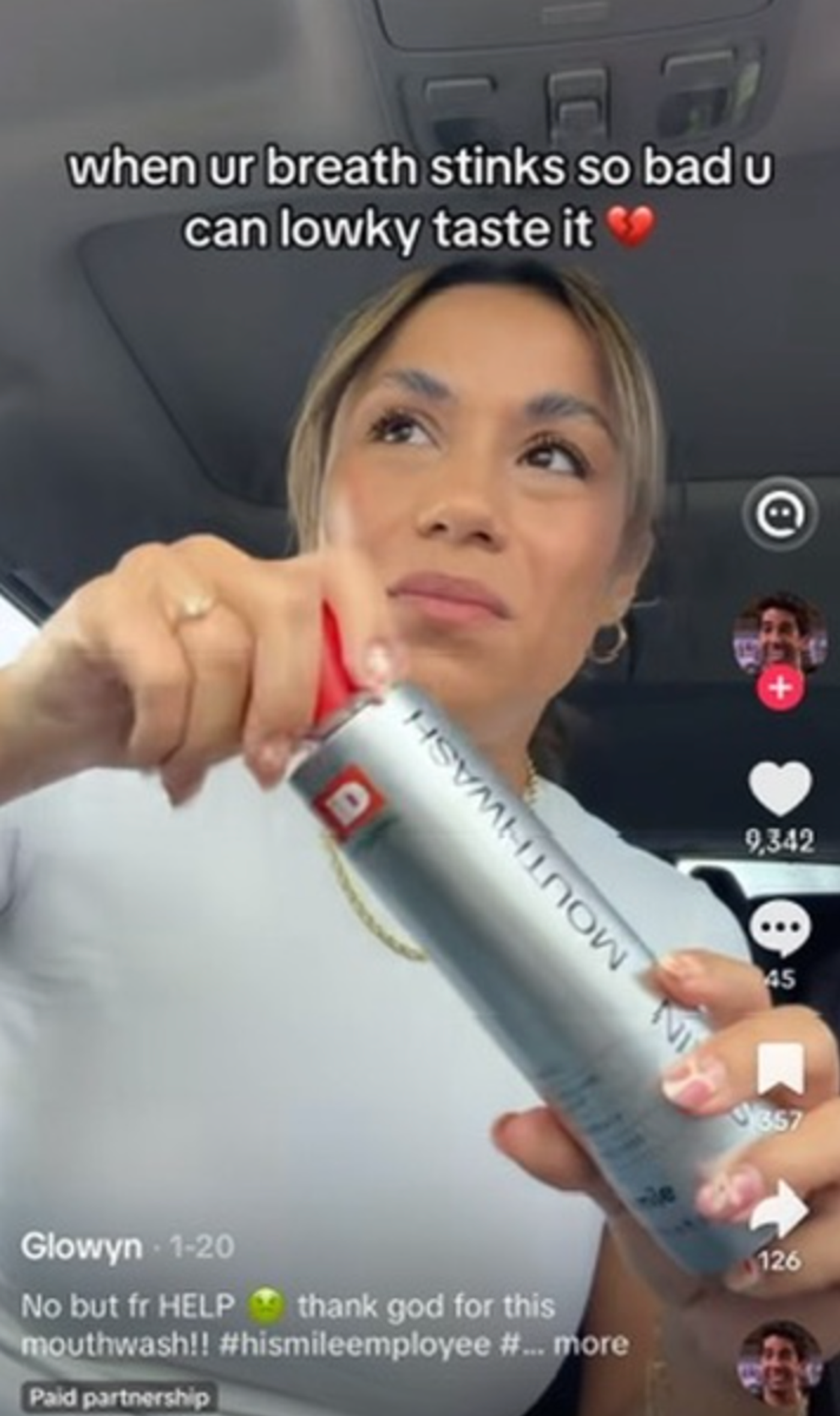
A testimonial video script works because it sounds like a review, not an ad. Keep the language conversational and anchor it in one concrete outcome.
- Template: “I’ve been using [product] for [timeframe] and here’s my honest take. What surprised me was [unexpected benefit]. The one thing I’d change is [minor drawback]. Overall, [verdict + CTA].”
- Example: “I’ve been using this app for a month, and here’s my honest take. What surprised me was how much time it saved me. The one thing I’d change is the onboarding. Overall, I’d definitely recommend it.”
- Best for: trust building, retargeting
- Funnel stage: middle of funnel
- Ideal length: 30-45 seconds
Perfect reviews read as paid; honest ones convert.
3. Product demo
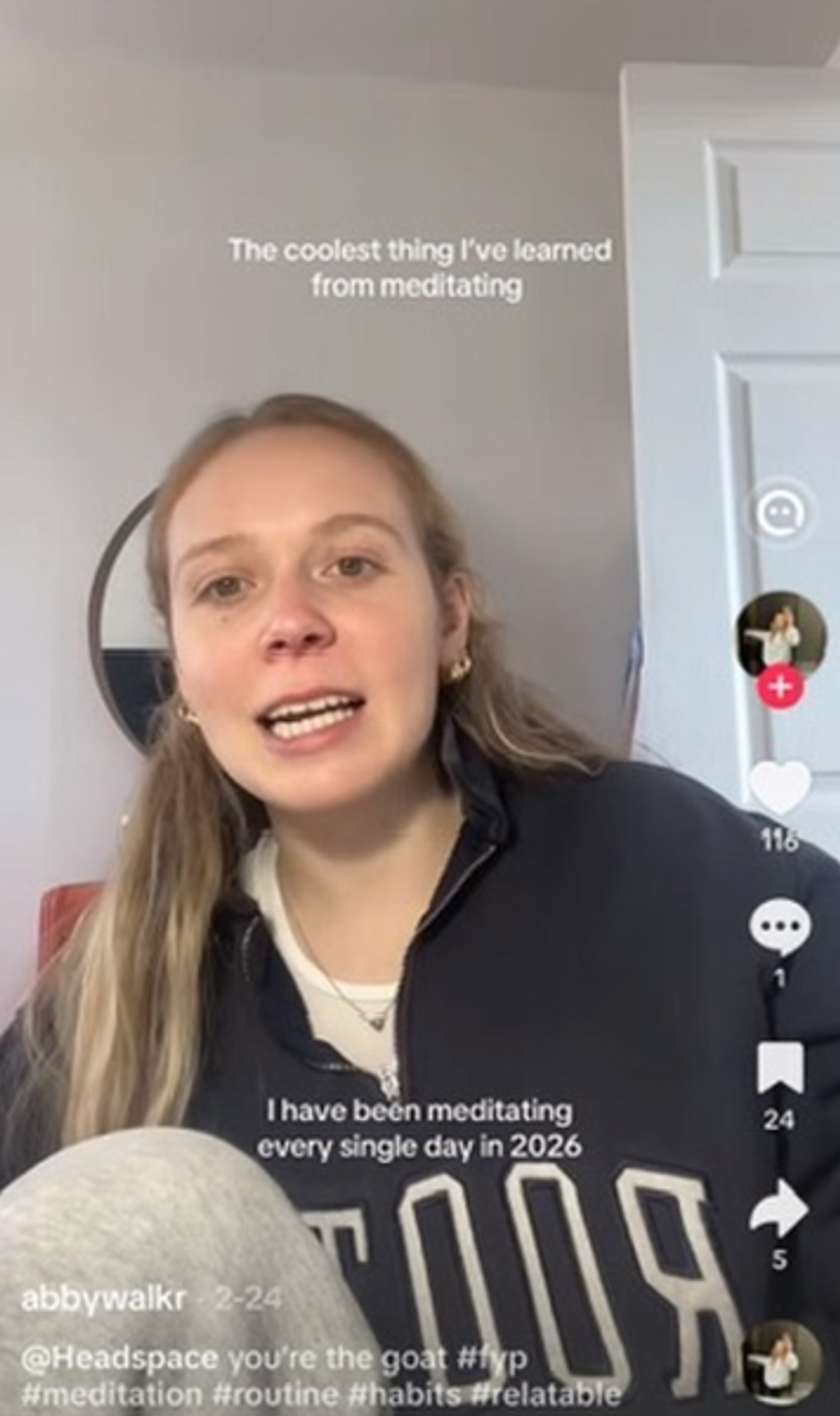
The product demo script shows the thing working in real time. No claims, just proof on camera.
- Template: “Let me show you exactly how [product] works. Step one: [action]. Step two: [action]. And here’s the result: [show outcome]. It took me [time], start to finish.”
- Example: “Here’s how I set up this smart home device. I connected it to the app, followed the instructions, and now I can control everything from my phone. It took me about five minutes to get started.”
Want to put this into practice?
SideShift connects you with vetted UGC creators who actually deliver. Start your free trial and post your first job in under 10 minutes.
- Best for: complex or new products
- Funnel stage: middle of funnel
- Ideal length: 30-60 seconds
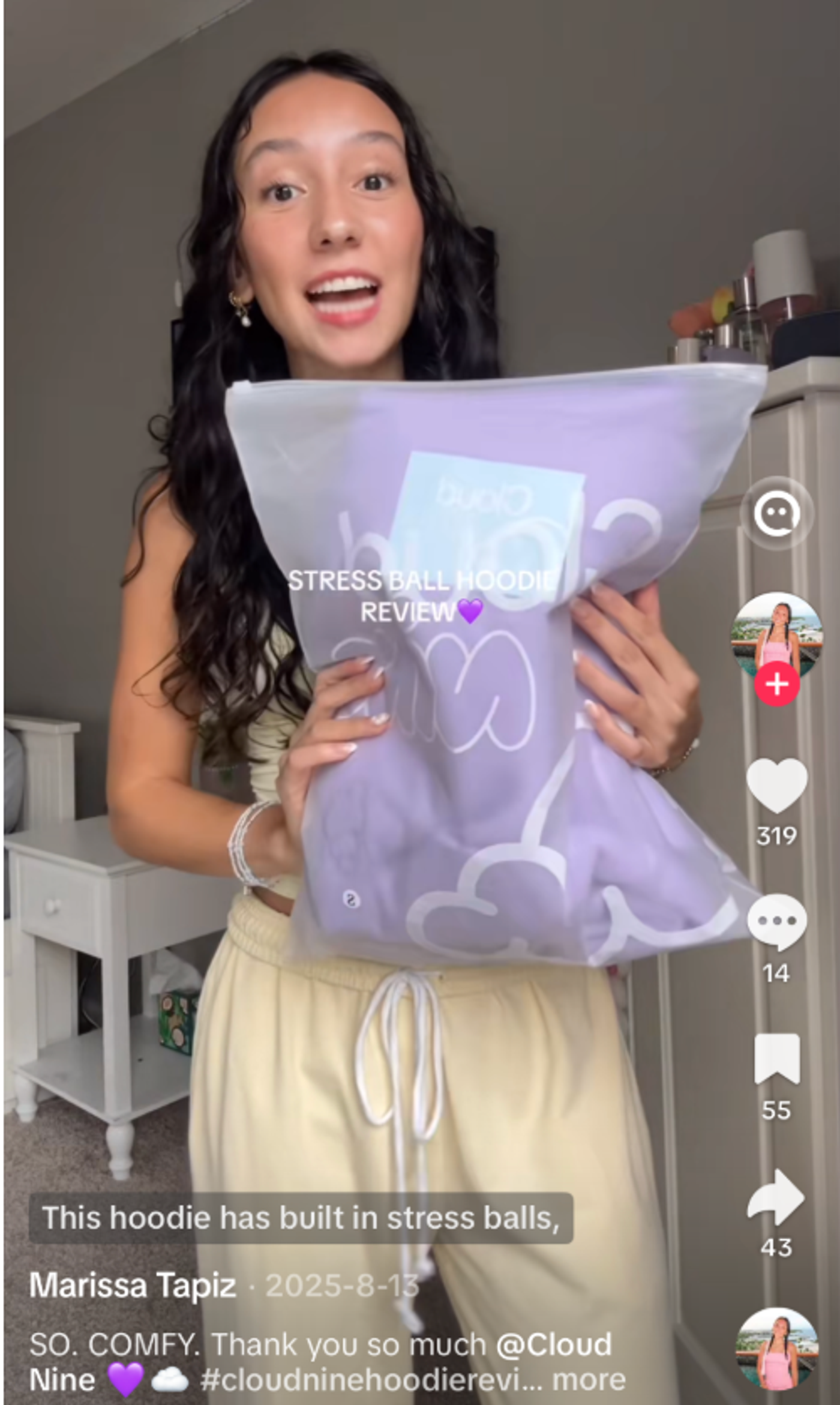
4. Unboxing
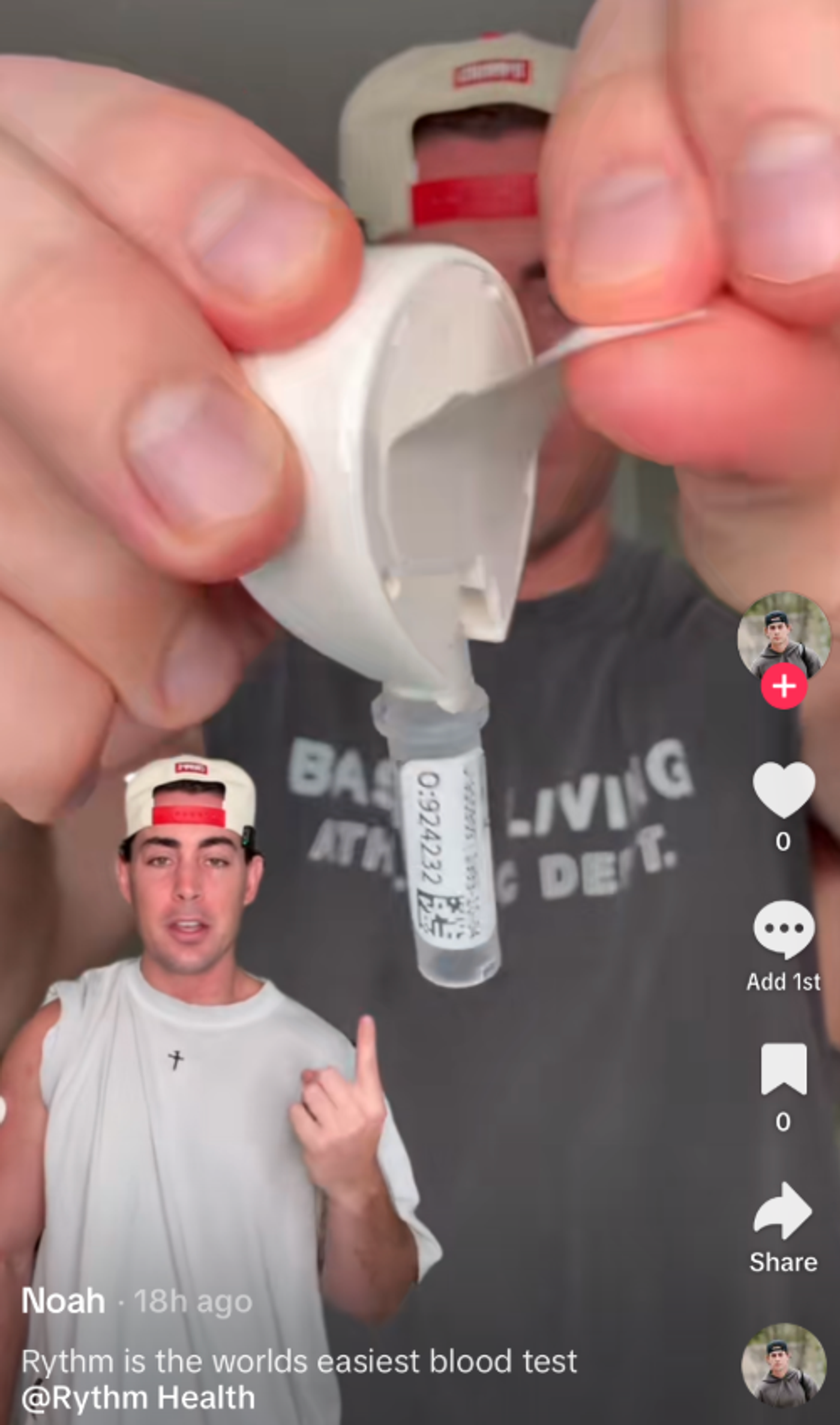
First impressions carry built-in curiosity. Pair the unboxing with live reactions rather than a rehearsed read.
- Template: “My [product] just arrived, so let’s open it together. Okay, first thing I notice: [detail]. Inside you get [contents]. Initial verdict: [reaction].”
- Example: “My new headphones just arrived, so let’s open them together. Okay, first thing I notice: the packaging feels really premium. Inside you get the headphones, charging case, and a few accessories. Initial verdict: they look even better than I expected.”
- Best for: product launches, physical products
- Funnel stage: top of funnel
- Ideal length: 20-40 seconds
5. Before and after
Transformation content is proof compressed into two frames. Just make sure the claim is one your legal team can stand behind.
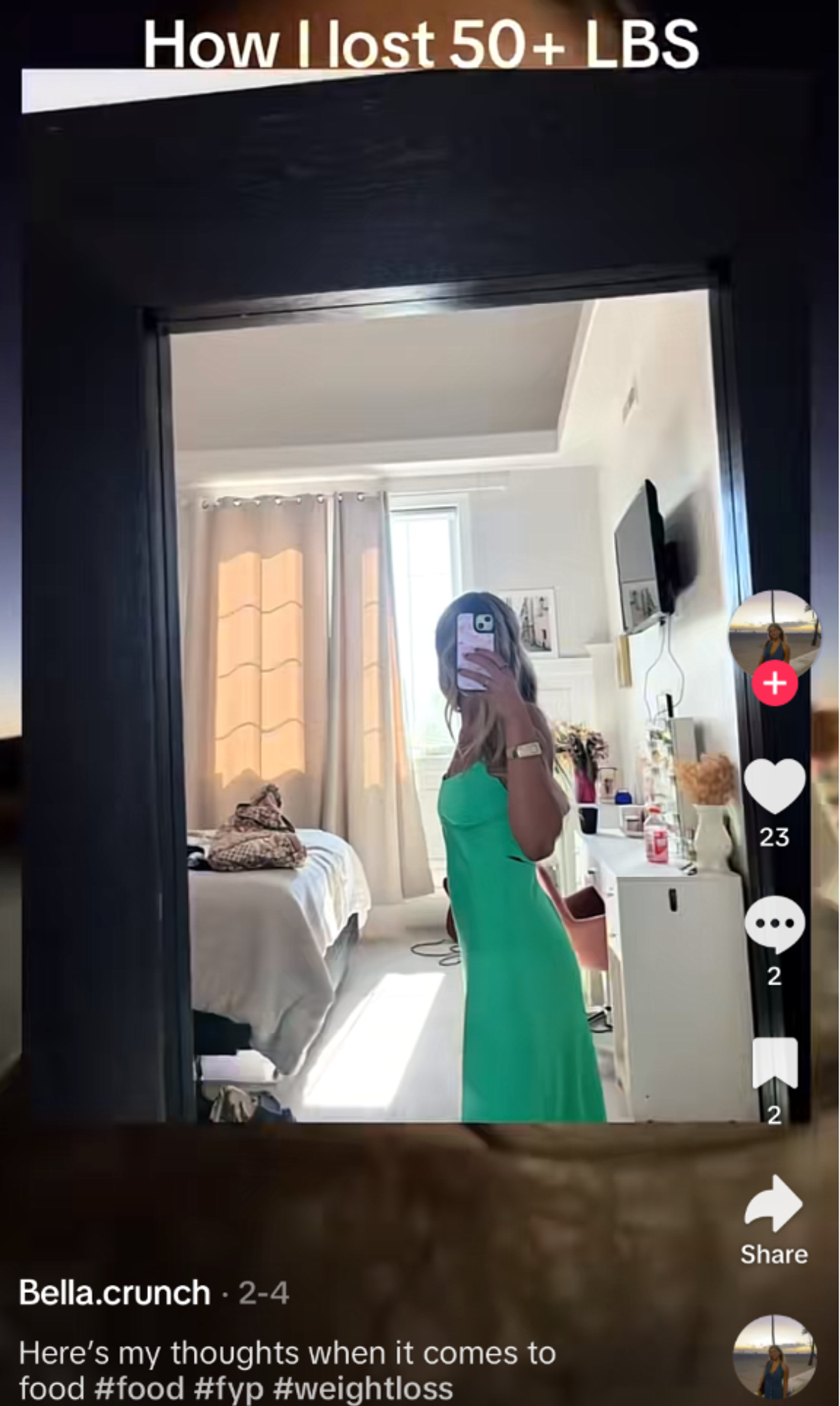
- Template: “This was my [situation] before [product]: [show it]. Here’s [timeframe] later: [show it]. The only thing I changed was [product].”
- Example: “This was my skin before using this moisturizer: dry and dull. Here’s four weeks later: smoother and more hydrated. The only thing I changed was adding this product to my routine.”
- Best for: products with clear visual results
- Funnel stage: middle of funnel
- Ideal length: 15-30 seconds
6. Three reasons why
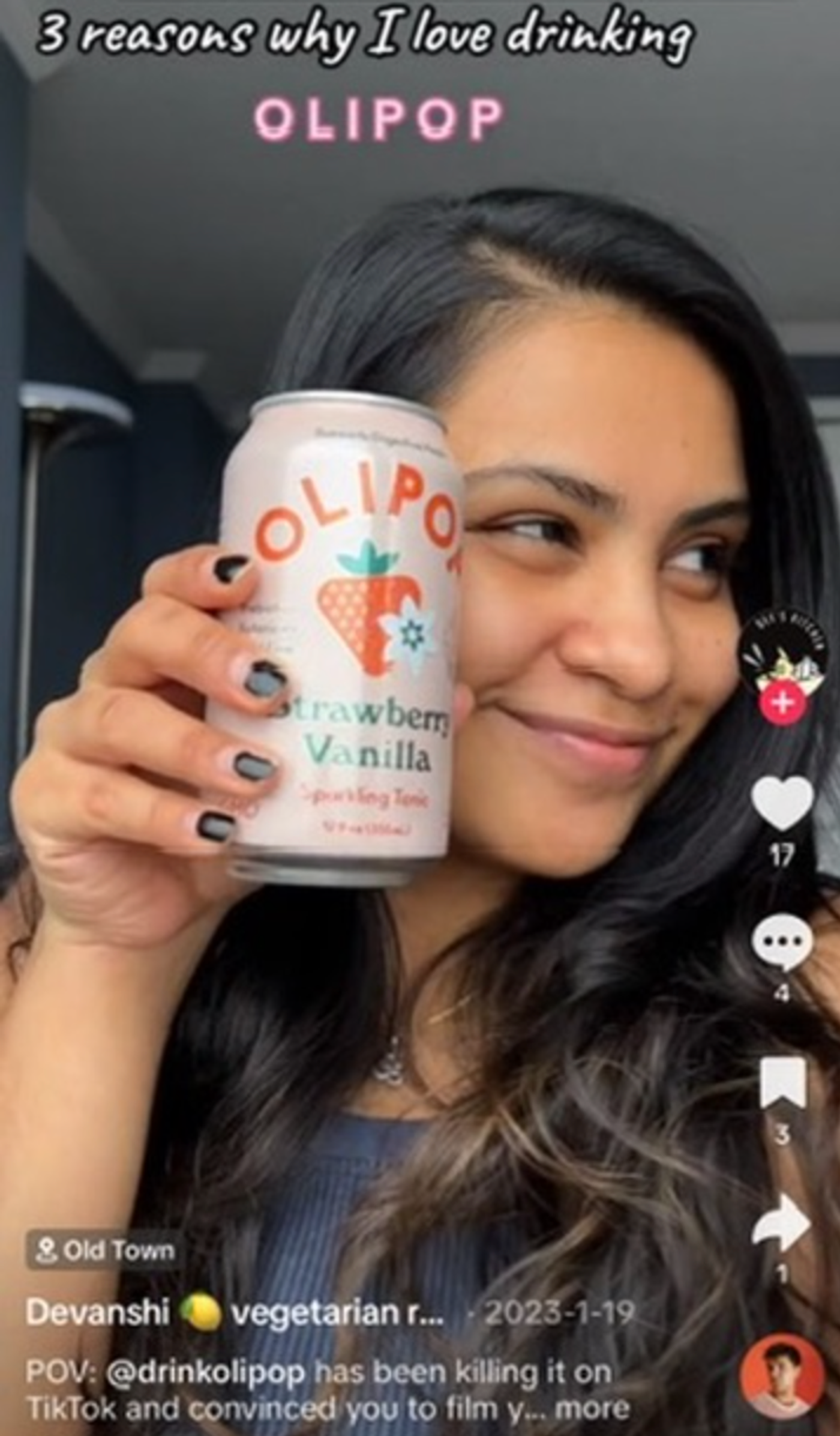
Listicle structure keeps viewers watching for the next point, which props up completion rate.
- Template: “Three reasons I switched to [product]. One: [benefit with detail]. Two: [benefit with detail]. Three, and this is the big one: [strongest benefit]. [CTA].”
- Example: “Three reasons I switched to this water bottle. One: it keeps my drinks cold all day. Two: it’s lightweight and easy to carry around. Three, and this is the big one: it doesn’t leak, even when I throw it in my bag. You should definitely check it out.”
- Best for: feature-rich products
- Funnel stage: middle of funnel
- Ideal length: 25-40 seconds
7. Comparison
“I tried both” content captures buyers at the decision stage. It pairs well with the research shoppers are already doing, since 86% of consumers make at least one influencer-inspired purchase per year and comparison content meets them right before checkout.
- Template: “I tested [product] against [alternative] for [timeframe] so you don’t have to. On [criteria 1], [winner]. On [criteria 2], [winner]. My overall pick: [product], because [reason].”
- Example: “I tested this wireless charger against my old one for a week so you don’t have to. On charging speed, this one was the clear winner. On design and convenience, it was also ahead. My overall pick: this charger, because it’s faster and easier to use every day.”
- Best for: decision-stage buyers
- Funnel stage: Bottom of funnel
- Ideal length: 30-60 seconds
Keep competitor mentions factual and generic in paid usage. Naming competitors in ads carries legal risk some brands won’t accept, so flag this in the creator brief.
8. Routine integration
The product appears inside a day-in-the-life sequence instead of being the star. Softest sell on this list, strongest for authenticity.
Want to put this into practice?
SideShift connects you with vetted UGC creators who actually deliver. Start your free trial and post your first job in under 10 minutes.
- Template: “Come with me through my [morning/work/night] routine. First I [step]. Then, and this is the part I actually look forward to, [product moment]. Then [rest of routine].”
- Example: “Come with me through my weekend reset routine. First I clean my space and plan my week. Then, and this is the part I actually look forward to, I use this planner to organize everything. Then I relax and enjoy the rest of my day.”
- Best for: lifestyle fit, organic social feeds
- Funnel stage: top of funnel
- Ideal length: 30-60 seconds
9. Myth-busting
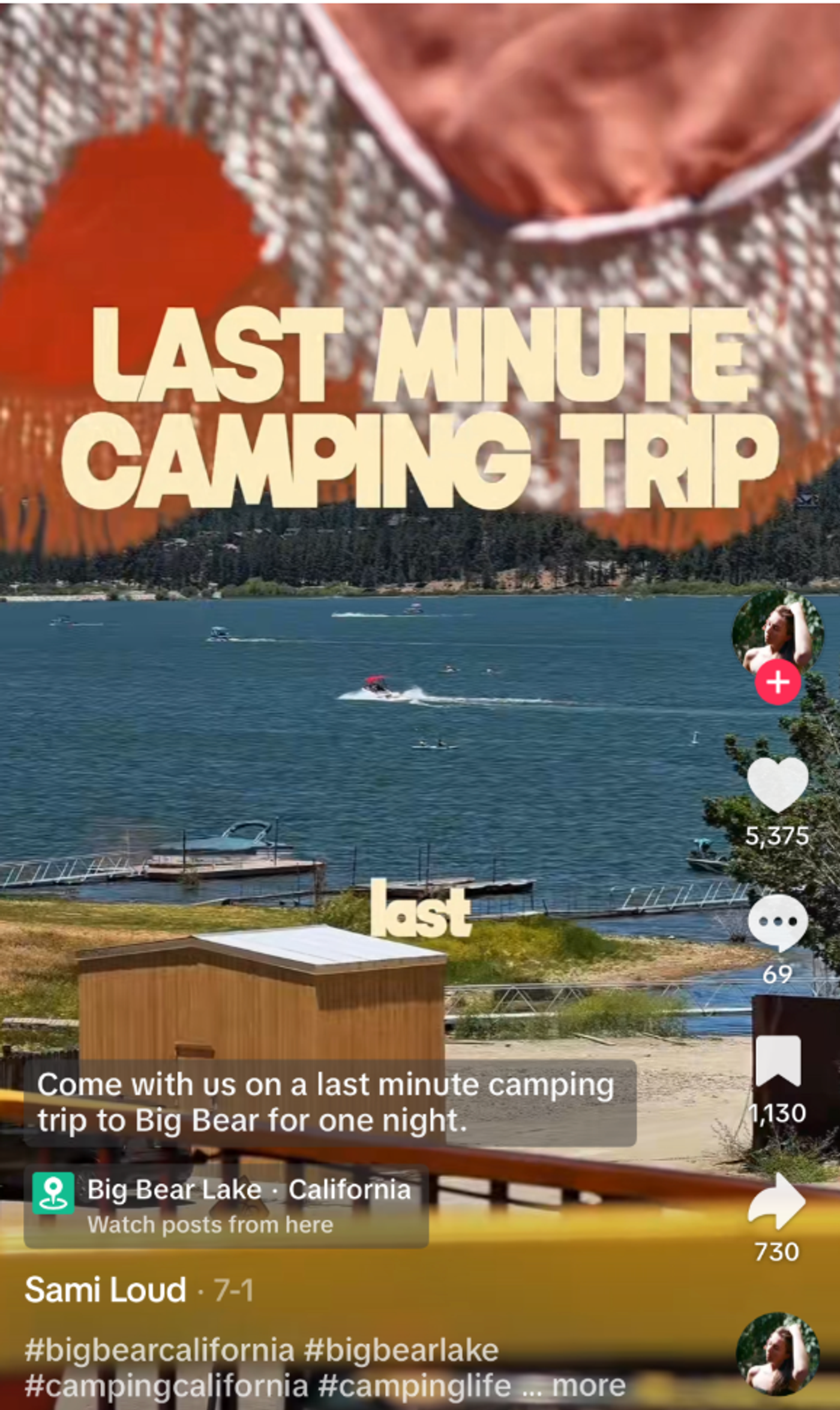
Pattern interrupts stop the scroll. Opening with “stop doing this” challenges what the viewer believes, and curiosity does the rest.
- Template: “Stop [common behavior]. I know everyone says [conventional wisdom], but here’s what actually happens: [reality]. What worked for me instead: [product + result].”
- Example: “Stop adding more and more steps to your skincare routine. I know 10-step routines are trending right now, but too many products can actually irritate your skin. What worked for me instead: keeping it simple and sticking with this product consistently.”
- Best for: crowded product categories
- Funnel stage: top of funnel
- Ideal length: 20-35 seconds
10. Storytime
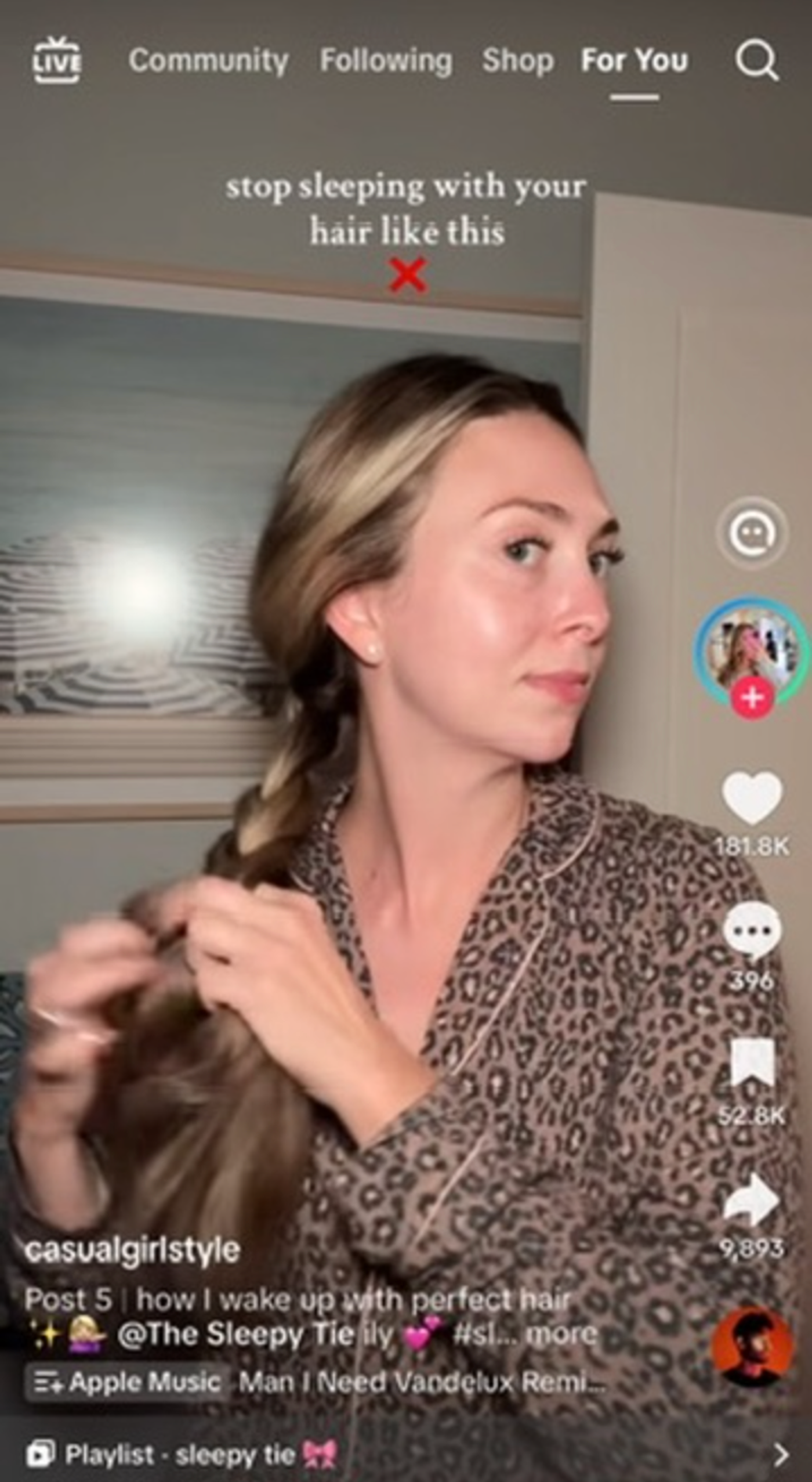
Narrative is the oldest retention device there is. The product enters as a plot point, not a pitch.
- Template: “Story time: [timeframe] ago, [inciting incident]. I thought [assumption], but then [twist]. That’s when I found [product]. Now [resolution].”
- Example: “Story time: A few months ago, I was struggling to stay consistent with my workouts. I thought I just needed more motivation, but I realized my routine was too complicated. That’s when I found this fitness app. Now I have a routine I actually enjoy and stick with.”
- Best for: emotional purchases
- Funnel stage: top to middle of funnel
- Ideal length: 30-60 seconds
11. Objection handling
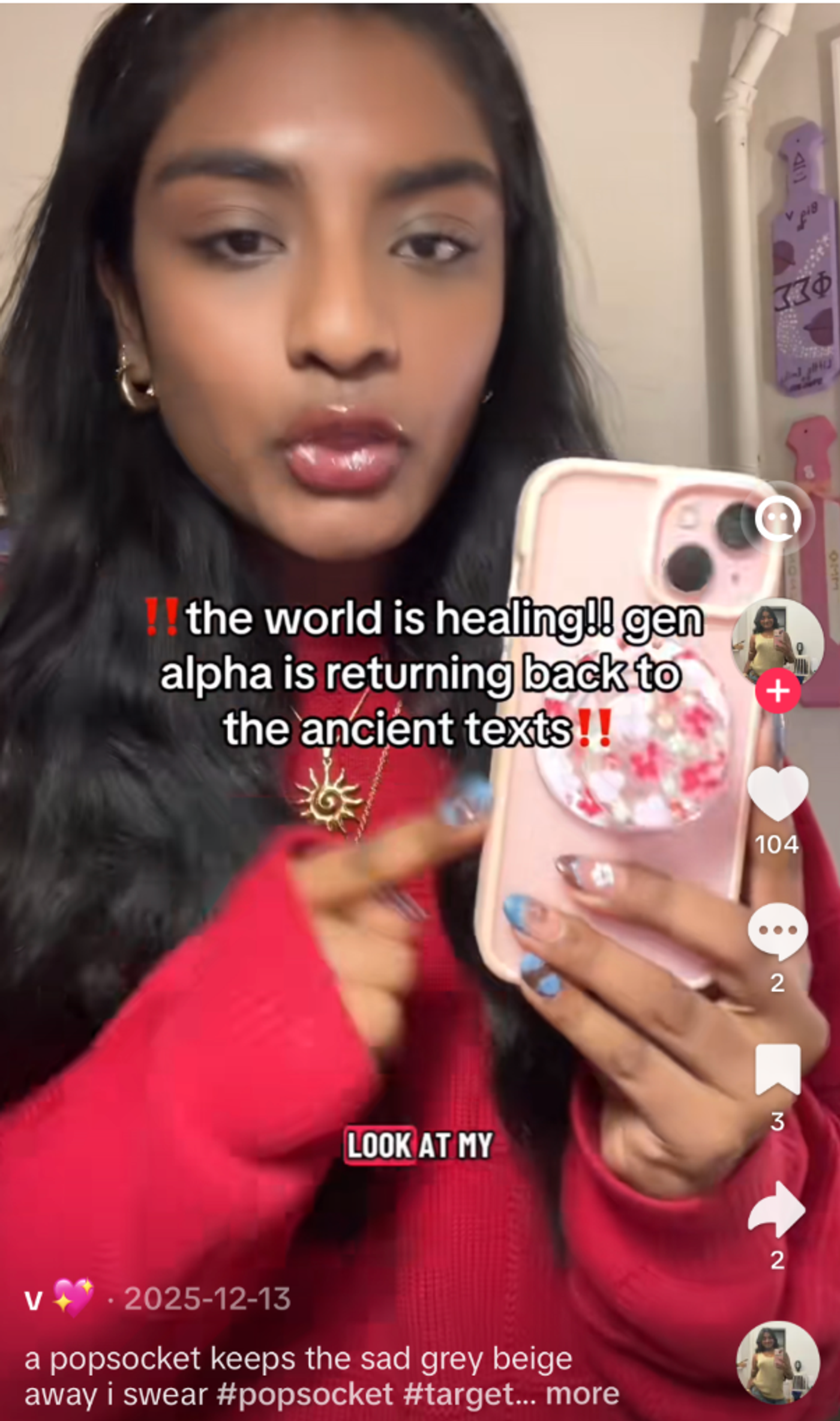
Answer the exact doubts sitting in the comments of your other ads. This one prints money for retargeting audiences who saw a demo but didn’t buy.
- Template: “You all had questions about [product], so let’s go. ‘Is it worth the price?’ [Answer]. ‘Does it work for [use case]?’ [Answer]. ‘What’s the catch?’ [Honest answer + CTA].”
- Example: “You all had questions about this robot vacuum, so let’s go. ‘Is it worth the price?’ For me, yes. It saves me time every week. ‘Does it work with pet hair?’ Yes, it picks up hair and keeps my floors clean. ‘What’s the catch?’ You still need to empty it occasionally, but overall it makes cleaning much easier.”
- Best for: retargeting and higher-priced products
- Funnel stage: bottom of funnel
- Ideal length: 30-50 seconds
12. POV
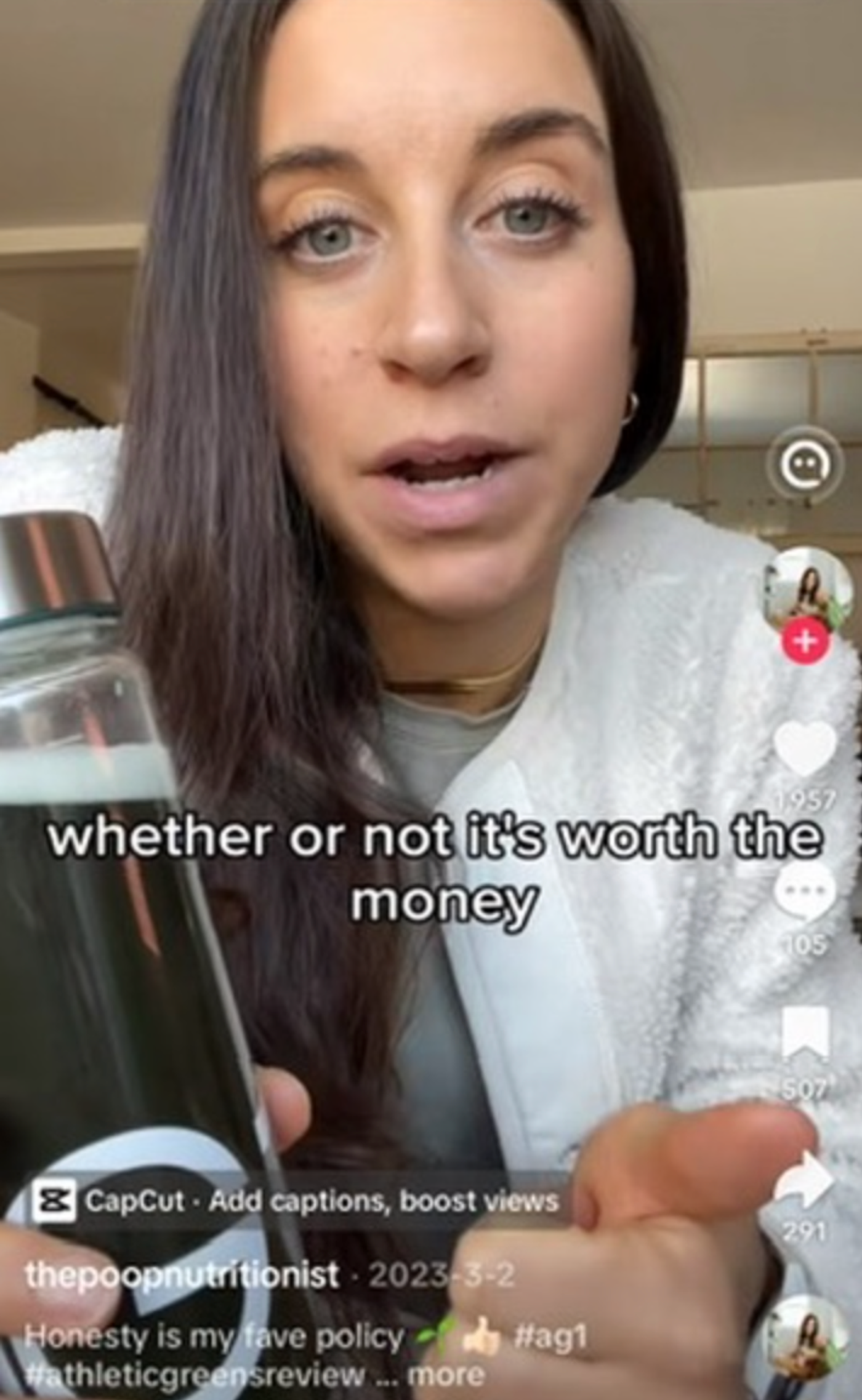
Native to TikTok and Reels, and the fastest format to shoot. The viewer is placed inside the scenario from frame one.
- Template: “POV: you [relatable situation] and someone finally shows you [product category] that [key benefit].” [Then demo the payoff in the remaining seconds.]
- Example: “POV: you’re tired of your photos looking boring, and someone finally shows you an easy way to make them look better.” [Show the editing process and final photos.]
Want to put this into practice?
SideShift connects you with vetted UGC creators who actually deliver. Start your free trial and post your first job in under 10 minutes.
- Best for: organic reach and trend-driven content
- Funnel stage: top of funnel
- Ideal length: 10-20 seconds
How Do You Turn Any Hook Framework into a Creator Brief?
Every UGC video script, regardless of framework, follows the same underlying UGC script structure. Use this fill-in-the-blank skeleton in your creator brief and let the creator translate it into their own voice:
- Hook (0-3 seconds): one line that names the problem, result, or curiosity gap
- Context (3-10 seconds): who this is for and why the creator cares
- Value (10-25 seconds): the demo, story, or list that delivers on the hook
- Proof (25-35 seconds): a result, timeframe, or on-camera demonstration
- CTA (final 5 seconds): one specific action, spoken and on-screen
First, write talking points, not word-for-word lines. A creator reading a teleprompter is instantly detectable, and the authenticity you’re paying for evaporates.
“We script the spine, not the sentences,” says Canyon Pergande, co-founder and COO of SideShift. “We lock the objective, the non-negotiable product truths, the required proof points, and the CTA; the creator controls the phrasing, delivery, and story.”
“On a recent consumer-app campaign, we replaced a word-for-word script with one core insight, four must-hit points, and a menu of hooks,” Pergande says. “The videos stopped sounding interchangeable, and we produced more breakout performers.”
Second, build disclosure into the brief itself. The FTC’s Endorsement Guides require clear sponsorship disclosure, and putting “#ad” requirements in every brief protects you and your creators.
When GPTZero used SideShift to ship 600+ TikToks in under five weeks, the team briefed multiple frameworks per batch and let performance data pick the winners. Testing three hooks on one framework will teach you more than debating scripts internally will.
If you need help sourcing the creators to run those tests, start with our guide on how to find influencers for your product, and if you’re gifting products to generate the content, our product seeding playbook covers the outreach side.
What Goes in a UGC Creator Brief?
A working brief answers six questions in the order a creator actually needs them: what is this, what needs to be created, what should it say, what are the boundaries, who owns it, and what is the workflow. Structure your brief around those six blocks:
- The context: one short paragraph a creator can read in 30 seconds, including what the product is, who buys it, and what this specific campaign needs to accomplish. If the creator can’t explain your product back to you after reading this block, the rest of the brief won’t save the video.
- Deliverables and specs: the countable stuff, including number of videos, length, aspect ratio, platform destination, raw footage or edited, and whether you need hook variations of the same concept. Ambiguity here is where revision cycles are born, so this block should read like an order form, not a suggestion.
- Creative direction: the angle you’re testing, two or three hook options, the talking points that must appear, and any proof moments you need on camera (the product being used, the result being shown). This is where your script framework goes, structured as scenes and talking points rather than word-for-word lines.
Want to put this into practice?
SideShift connects you with vetted UGC creators who actually deliver. Start your free trial and post your first job in under 10 minutes.
- Boundaries: the dos and don’ts, including claims that can’t be made, competitors that can’t appear, words legal has banned, and disclosure requirements spelled out. Put “#ad” compliance here in writing, every time, rather than trusting memory.
- Rights and approval: who owns the content, for how long, on which channels, and whether paid usage is included. State whether content needs your sign-off before it’s final and how many revision rounds are included. Rights disputes after publication are expensive; a sentence in the brief is free.
- Working logistics: product shipping details, the deadline, payment terms, and one named point of contact. Creators juggle multiple brands at once, and the brief that answers logistical questions upfront is the brief that gets prioritized.
The discipline that makes all six blocks work: keep the boundaries separate from the creative direction. Rules written inside the script section read as creative notes and get treated as optional; rules in their own block read as conditions of the job.
Scale Better UGC Campaigns with SideShift
Templates are the easy part. The harder part is finding creators who can take a proven framework and make it feel authentic, then repeating that process 50 times a month without your team drowning in DMs, spreadsheets, and invoices.
On SideShift, brands can upload briefs with a UGC script template attached, get matched with vetted creators from a network of 800,000+, and manage approvals, revisions, payments, and performance all from one dashboard.
The best-performing campaigns aren’t built from scratch every time. With SideShift, your winning briefs, creators, and campaign history stay organized, making it easy to repeat what works and scale successful partnerships. Once you’ve built your creator roster, our guide to influencer relationship management shows you how to keep your best creators engaged for the long term.
FAQs
1. How long should a UGC script be?
For a 30 to 45 second video, aim for 60 to 110 words of talking points. TikTok’s ad guidance favors 21 to 34 second videos, so shorter is usually safer. If your script runs past 150 words, cut the context section first, never the hook or CTA.
2. Should creators follow a UGC script word-for-word?
No. Give creators the structure, key claims, and mandatory phrases (like disclosures), then let them speak naturally. Verbatim scripts produce stiff delivery that audiences clock immediately, and it defeats the reason you hired a creator instead of shooting a studio ad.
3. What’s the difference between a UGC script template and a creator brief?
The script template is the content structure: hook, value, proof, CTA. The creator brief is the full assignment: script framework plus deliverables, deadlines, usage rights, payment terms, and disclosure requirements. The template lives inside the brief.
4. How many hook variations should you test per script?
Want to put this into practice?
SideShift connects you with vetted UGC creators who actually deliver. Start your free trial and post your first job in under 10 minutes.
Three to five per framework is the practical range. Keep everything after the first three seconds identical so you’re testing the hook alone, then scale whichever version holds the highest completion rate.
5. Do UGC scripts need FTC disclosure language built in?
Yes, whenever the content is sponsored or the creator received free product. Write the disclosure requirement directly into the brief and script structure rather than trusting creators to remember. Clear “#ad” or “paid partnership” labels protect both parties legally.