


Finance Influencer Marketing (FinTok and Beyond) in 2026
Finance influencer marketing (FinTok, FinTwit, finance YouTube) reaches Gen Z and millennials at the moment of money decisions. See the 2026 strategy guide.
Table of Contents
A twenty-four-year-old opens TikTok on her lunch break, watches a 90-second breakdown of Roth IRAs versus brokerage accounts, and downloads the app the creator mentioned before she finishes her sandwich. That is the entire sales cycle for a huge share of fintech customers today, and it happens on a platform most compliance departments still treat with suspicion.
Finance influencer marketing has become one of the highest-value, highest-risk categories in creator marketing. The audience is primed to act. The regulatory exposure is real. And the brands that treat this like a normal lifestyle influencer campaign tend to learn the difference the expensive way.
We built this guide after running finance creator campaigns for fintech clients who needed strong performance in a category with more complexity than most, so what follows is the version we wish someone had handed us before our first FinTok launch.
Why Does FinTok Marketing Work So Well?
Personal finance content exploded on TikTok after 2020, and it never really slowed down. Gen Z and millennials turned to creators instead of banks for basic financial literacy, partly because school never taught them and partly because a creator explaining credit utilization in plain language is more useful than a PDF from a financial institution.
What makes this category different from most influencer marketing is timing. A skincare video might inspire someone to buy a serum next month. A finance video often catches someone in the exact window where they are deciding whether to open a high-yield savings account or download a new brokerage app.
That decision-moment context, paired with the fact that financial customers tend to have high lifetime value once acquired, is why fintech brands like Robinhood, Public, Stash, Acorns, Cash App, and Wealthfront lean so heavily on creator partnerships instead of traditional media buys.
The Finance Creator Subsegments You Should Know
Not every finance creator serves the same purpose, and treating them as interchangeable is one of the fastest ways to waste a budget.
- Personal finance educators who break down budgeting, saving, and debt payoff for a general audience
- Fintech reviewers who test apps, cards, and platforms and compare features head to head
- Real estate creators who cover home buying, mortgages, and property investing
- Crypto and Web3 creators who cover digital assets, exchanges, and blockchain-adjacent products
- Investing analysts who focus on stocks, ETFs, and portfolio strategy for a more advanced audience
A fintech app targeting first-time savers needs an educator. A brokerage targeting active traders needs an investing analyst. Matching the subsegment to the product before a brief gets written is key to a successful strategy.
6 Finance Creators Worth Studying
Rather than a static ranking, here is a working list of creators who consistently shape how finance content performs across platforms right now:
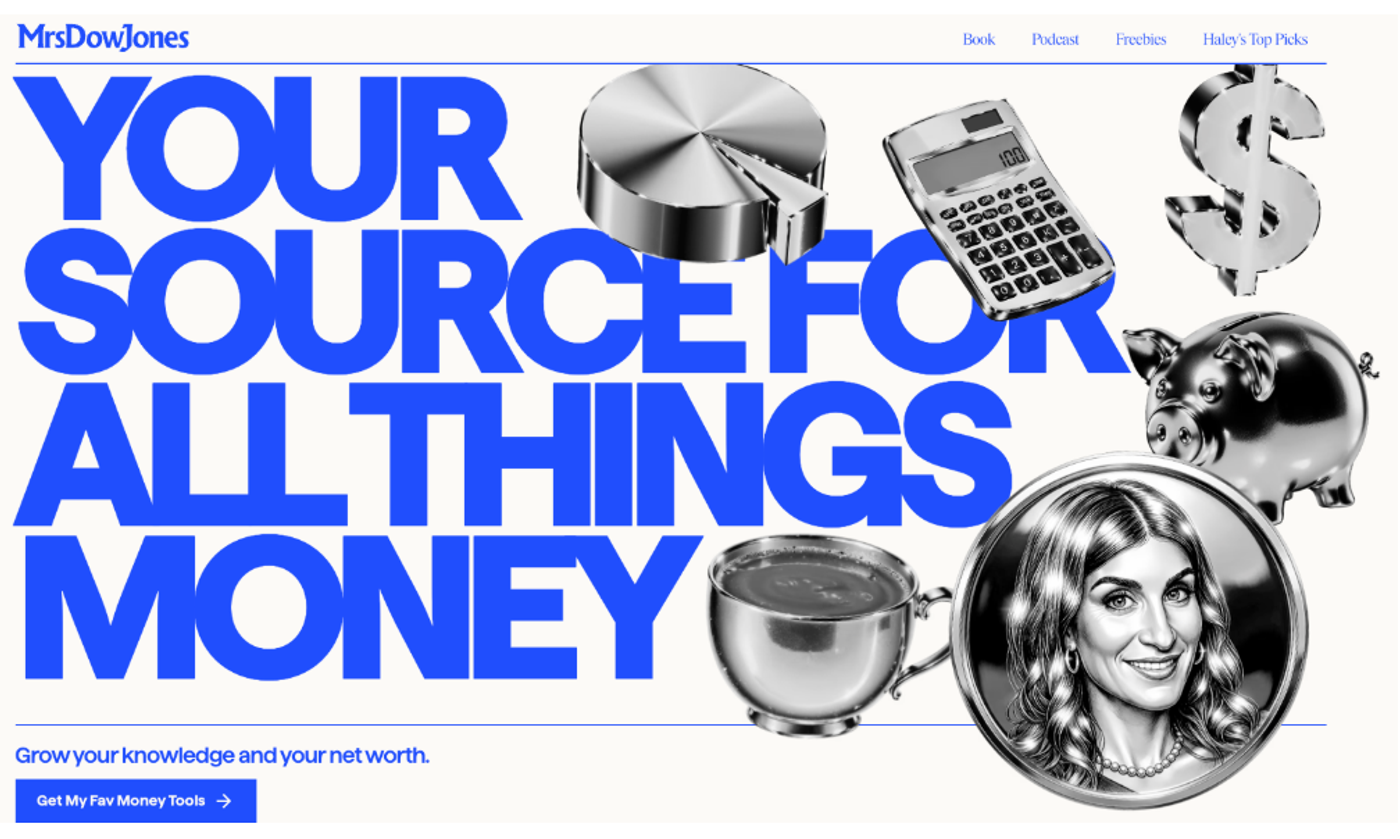
- Mrs. Dow Jones (Haley Sacks) for accessible investing education with a distinct comedic voice
2. Humphrey Yang for clean, visual breakdowns of complex financial concepts

3. Vivian Tu (Your Rich BFF) for direct, confident money advice aimed at young women

4. Tori Dunlap (Her First $100K) for a community-driven approach to financial independence
Want to put this into practice?
SideShift connects you with vetted UGC creators who actually deliver. Start your free trial and post your first job in under 10 minutes.

5. Graham Stephan for real estate and long-form personal finance content with strong retention

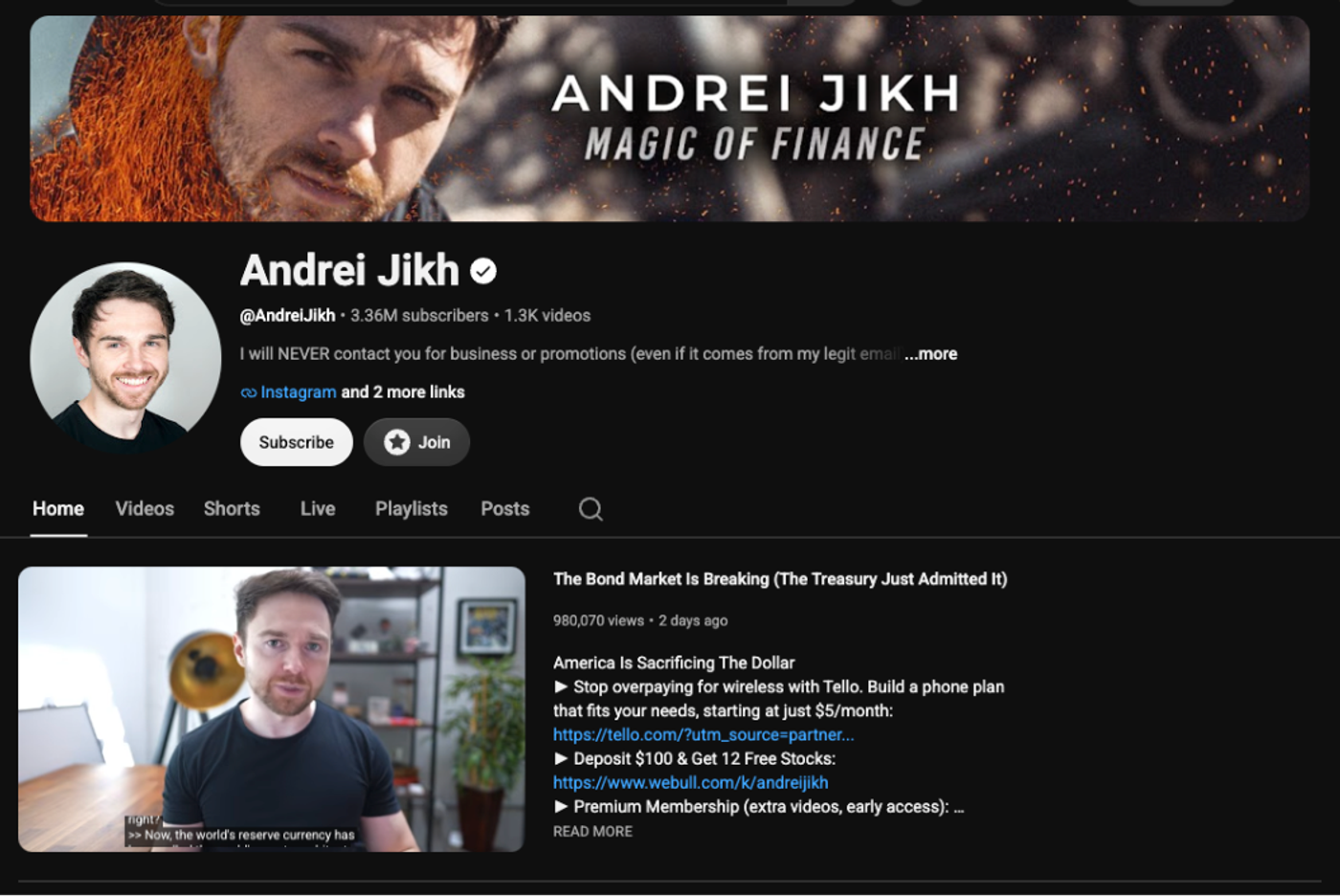
6. Andrei Jikh for investing content that blends storytelling with technical depth
How Top Finance Brands Work with Creators
Public built its creator strategy around education rather than promotion, handing creators the concept (fractional shares, bonds, dividend investing) and trusting them to explain it in their own words instead of reading from brand copy.
Robinhood took a similar bet during periods of market volatility, when people are already searching for answers and more likely to trust a familiar face over a press release.
Acorns and Stash leaned on creators to break down automated investing for an audience that assumes investing requires thousands of dollars to start, and Cash App and Wealthfront rounded out the group with content built on people actually using the product, not reciting its features.
The common thread is restraint. None of these campaigns lean on hype or urgency to make the case. The creator's credibility carries the message, and the brand shows up as the tool that makes the advice actionable.
What Regulatory Rules Apply to Finance Creator Campaigns?
Finance influencer marketing carries regulatory requirements that most other verticals never have to think about. The FTC's disclosure guidance for social media influencers sets the baseline for any paid partnership, but finance adds several more layers on top.
The SEC has specific rules around testimonials and endorsements for investment products, and FINRA maintains its own standards for how broker-dealers can use creator content. State-level lending regulations apply to anything touching credit or loans, and credit-product disclosures have their own required language that a creator cannot casually paraphrase. A campaign that would be perfectly fine for a skincare brand can trigger real regulatory exposure in finance if disclosures are missing or a creator implies advice they are not licensed to give.
This is general guidance, not legal, tax, or financial advice. Rules can vary depending on the product, campaign, and jurisdiction, so do your own research and consult a qualified attorney, CPA, or other relevant professional before launching a finance creator campaign.
The Campaign Types That Actually Work in Finance
Most successful finance creator campaigns fall into one of three formats.
- Education-first content lets a creator explain a concept the audience already wants to understand, with the brand appearing as the natural next step rather than the subject of the video.
- Comparison content has a creator stack the brand against alternatives, which works because finance audiences are already comparison shopping and trust a creator's side-by-side breakdown more than a landing page.
- Real-money experiments, where a creator uses their own funds with the product on camera, tend to outperform scripted reviews because the stakes feel genuine.
If you're weighing UGC against full campaign content for this vertical, our guide to UGC creator platforms and our breakdown of UGC usage rights are worth reading next, along with our guide to how much influencers cost if you're still building out budget expectations. For brands thinking beyond a single campaign, our guide to key opinion leaders and brand ambassador programs cover what longer-term finance creator relationships can look like.
Want to put this into practice?
SideShift connects you with vetted UGC creators who actually deliver. Start your free trial and post your first job in under 10 minutes.
What Is the Credit-Card Affiliate Model?
Credit card campaigns often run on a commission-based structure rather than a flat fee, paired with a portfolio approach across multiple creators instead of one large partnership. This spreads risk, lets you see which creator segments actually convert, and matches the way most card issuers already structure their affiliate programs.
What Should Brands Know About Crypto Creator Campaigns?
Crypto sits in its own category within an already regulated vertical. FTC and SEC enforcement actions run separately here, and many platforms restrict or demonetize crypto creator content outright, which limits reach even when a campaign is fully compliant. Brands working in this space need creators who understand the specific risk disclosures crypto requires, not general finance creators applying a template that does not quite fit.
Common Mistakes Brands Make in Finance Creator Marketing
The most frequent mistake is treating finance creators like lifestyle creators and handing over a generic brief built for a different vertical entirely. A close second is ignoring disclosure requirements because a video "felt" organic enough to skip them. The third is using a creator without financial credentials for content that edges into advice-adjacent territory, which puts both the brand and the creator at risk.
None of these mistakes are complicated to avoid, but they require someone on the team who understands the regulatory side well enough to catch them before a video goes live.
How Do You Vet a Finance Creator Before Working With Them?
Vetting matters more here than in almost any other category. Before a contract goes out, check for past securities-rule violations, undisclosed promotions in their content history, and any involvement in pump-and-dump schemes, which have quietly ended more than a few finance creator partnerships after the fact.
A quick review of a creator's past sponsored content also tells you whether they understand disclosure requirements already or whether you will need to walk them through it.
Run Finance Creator Campaigns with Confidence on SideShift
Running a finance creator program at scale means managing vetting, disclosures, contracts, and payments across a roster that often spans several creator subsegments at once. SideShift centralizes that operational load so your team can focus on strategy instead of chasing paperwork across five different tools.
If you're building a program on TikTok specifically, our TikTok creator platform and YouTube platform pages walk through how sourcing and campaign management work on each. You can also browse our creator directory to see the range of finance-adjacent talent already vetted and ready to work with brands like yours.
FAQs
1. Can finance creators give financial advice?
Only licensed professionals can give personalized financial advice. Most finance creators stick to education and general information, and brands should confirm a creator understands that line before any content goes live.
2. How much do finance influencers charge?
Want to put this into practice?
SideShift connects you with vetted UGC creators who actually deliver. Start your free trial and post your first job in under 10 minutes.
Finance influencers typically charge more than lifestyle creators with similar audience sizes, reflecting both higher audience value and the added compliance work involved.
3. Do I need a registered investment advisor to work with creators?
It depends on the content. Campaigns that stay educational generally do not require an RIA, but anything approaching specific investment recommendations should involve compliance or legal review first.
4. What's the difference between FinTok and FinTwit?
FinTok refers to personal finance content on TikTok, usually short, visual, and aimed at a broad Gen Z and millennial audience. FinTwit refers to finance conversation on X, which skews toward more advanced investing discussion among a more experienced audience.
5. How do I run a credit card creator campaign?
Most credit card campaigns use a commission-based affiliate structure across a portfolio of creators rather than one flat-fee partnership, which lets brands compare performance across creator segments while managing regulatory risk.