


9 UGC Video Examples to Inspire Your Next Campaign
This list breaks down some of the best UGC video examples to consider, and what can make each one effective for your brand strategy.
Table of Contents
Good UGC video examples share a handful of traits, even when the products and creators are completely different. They tend to open fast, sound like a real person talking, and get to the payoff before a viewer's thumb starts moving toward the next clip. The formats below are ones many brands turn to because they lean into those traits instead of relying on generic “here’s my new favorite product” content.
At SideShift, we match creators to a brand's brief from a pool of over a million, and formats like these can be useful starting points. This list breaks down some of the best UGC video examples to consider, and what can make each one effective for your brand strategy.
9 UGC Video Formats to Try in 2026
Each format below tends to serve a different purpose, whether that's catching attention early in the scroll or addressing a specific concern before someone buys. Testing a few side by side can help you see which ones resonate with your audience before committing more budget.
- Unboxing and first-impression videos
- Authentic testimonial videos
- Problem-solution videos
- Day-in-the-life integration videos
- Before-and-after videos
- Tutorial and how-to videos
- Side-by-side comparison videos
- Founder or behind-the-scenes videos
- AI-enhanced UGC videos
1. Unboxing and First-Impression Videos
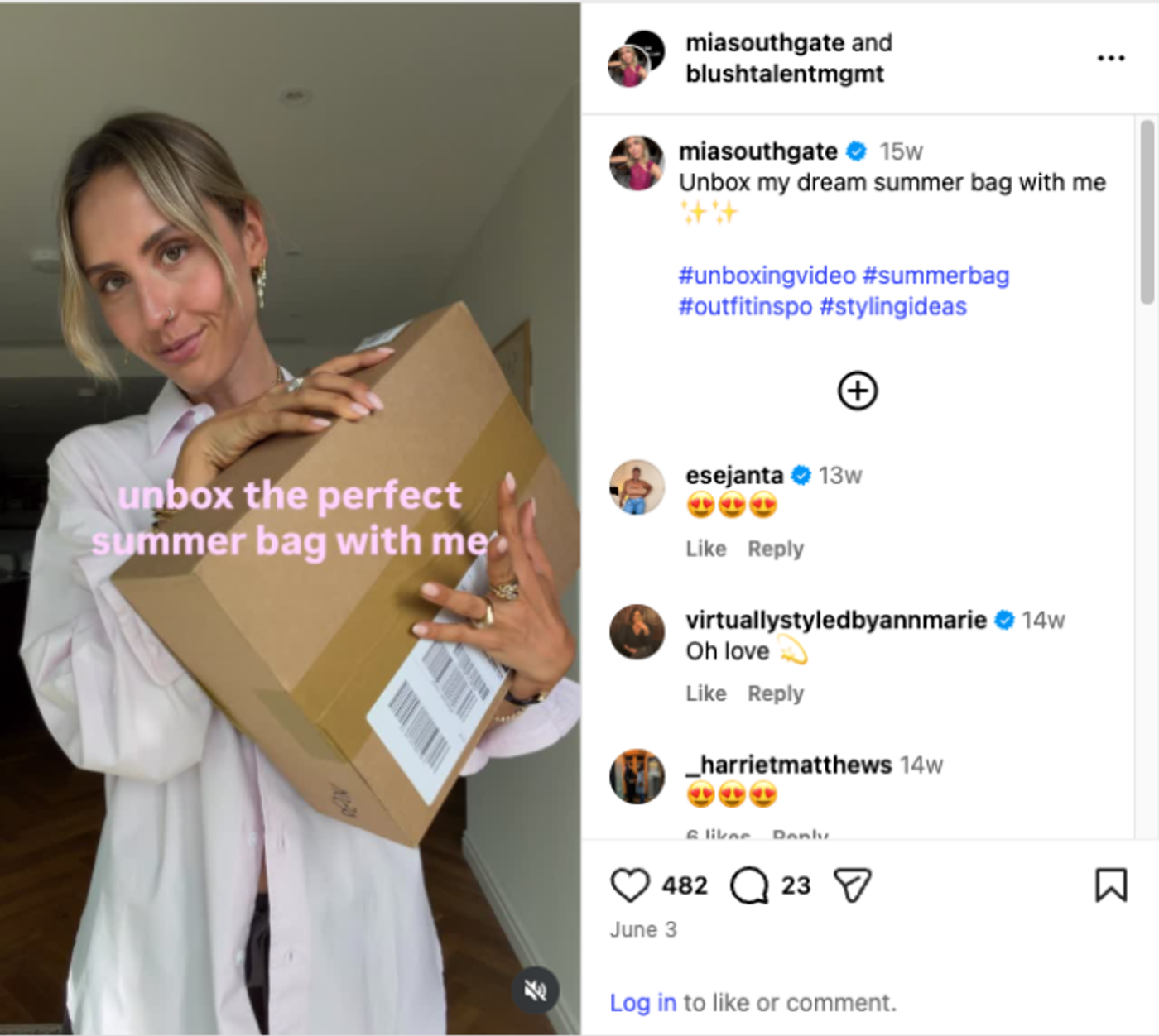
The creator films the moment a product arrives, reacting in real time with no script polish. This format works because the reaction is the proof. A genuine “oh, this is nice” can feel more believable to viewers than polished brand copy.
What makes it effective: An unscripted first look reads as honest, and honest reactions can help turn a scroll into a click.
2. Authentic Testimonial Videos
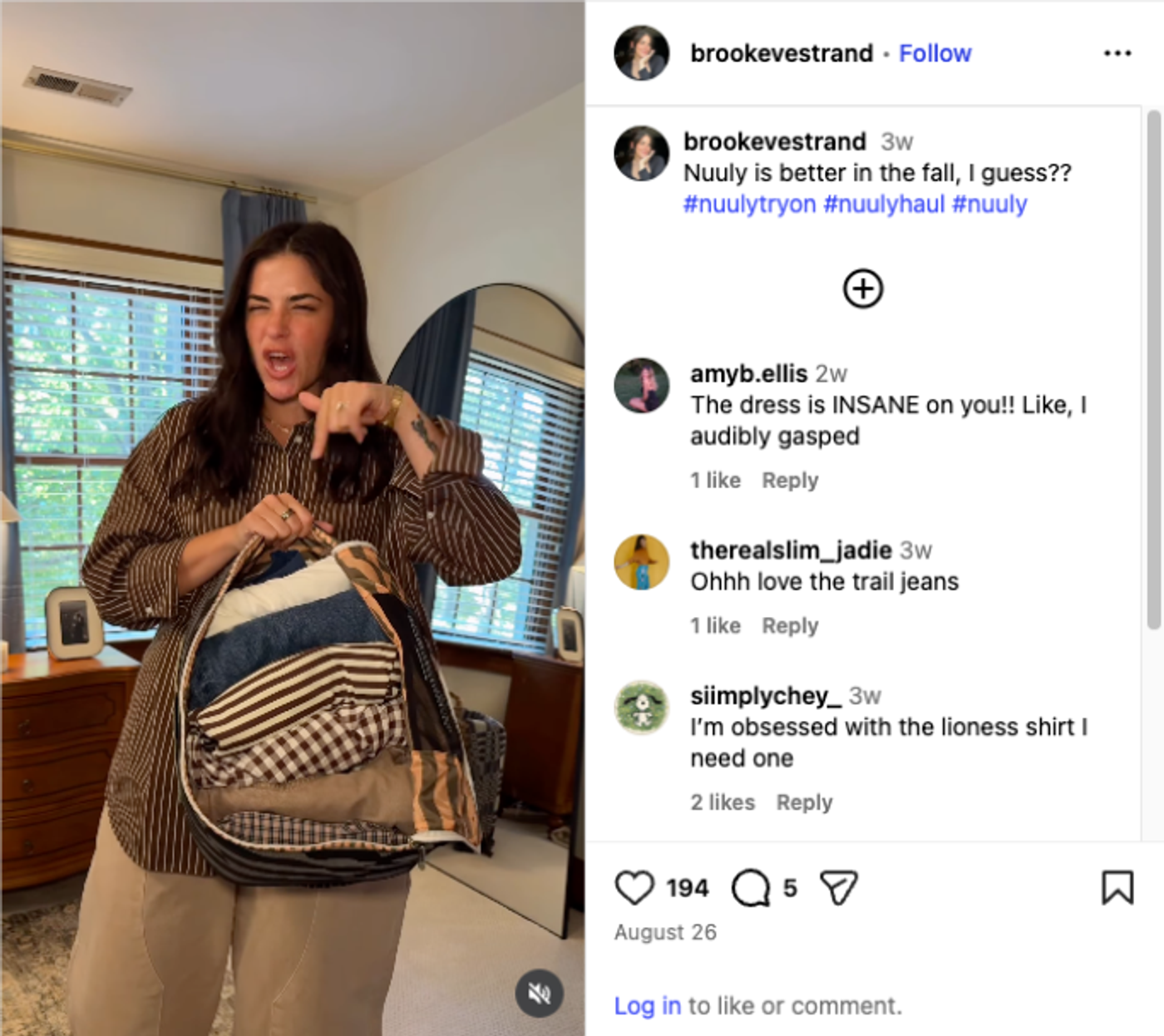
A creator talks directly to camera about why the product solved a problem for them, usually after using it for a few days or weeks rather than right out of the box. These are a popular choice for UGC video ads because they can carry more weight than a five-star review.
What makes it effective: Specificity. “I stopped breaking out along my jaw after two weeks” tends to feel more credible than “This cleared up my skin,” because detail helps make a testimonial believable.
3. Problem-Solution Videos
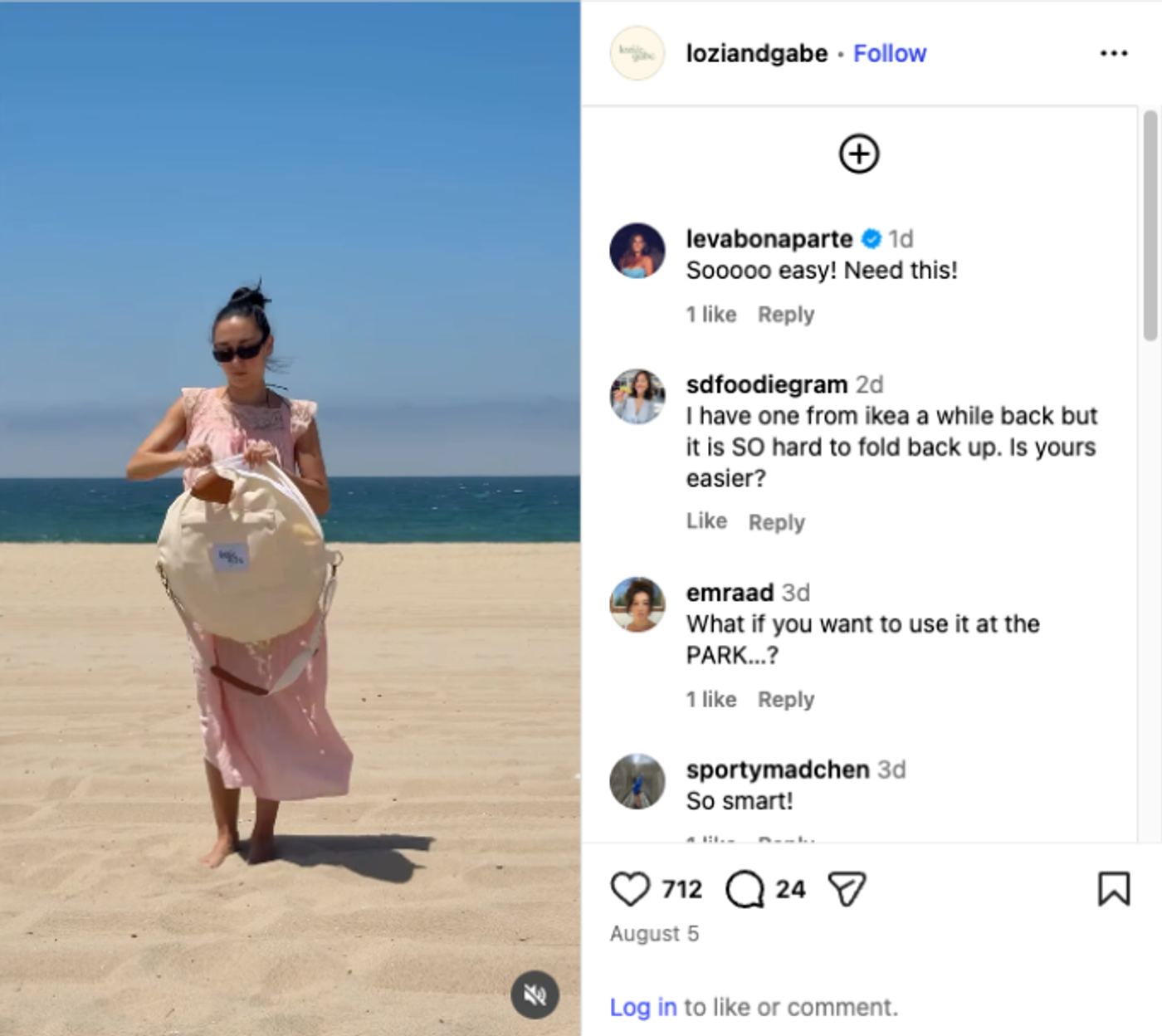
The video opens on the annoying, everyday problem the product solves, often before the product is even shown. A creator complaining about a tangled cord, a leaky container, or a skincare routine that never worked sets up the product as relief rather than a pitch.
What makes it effective: Viewers who recognize the problem early may be more likely to keep watching to see the fix, which is what a strong hook is meant to do. (Our UGC hook formulas guide breaks down more openings like this one.)
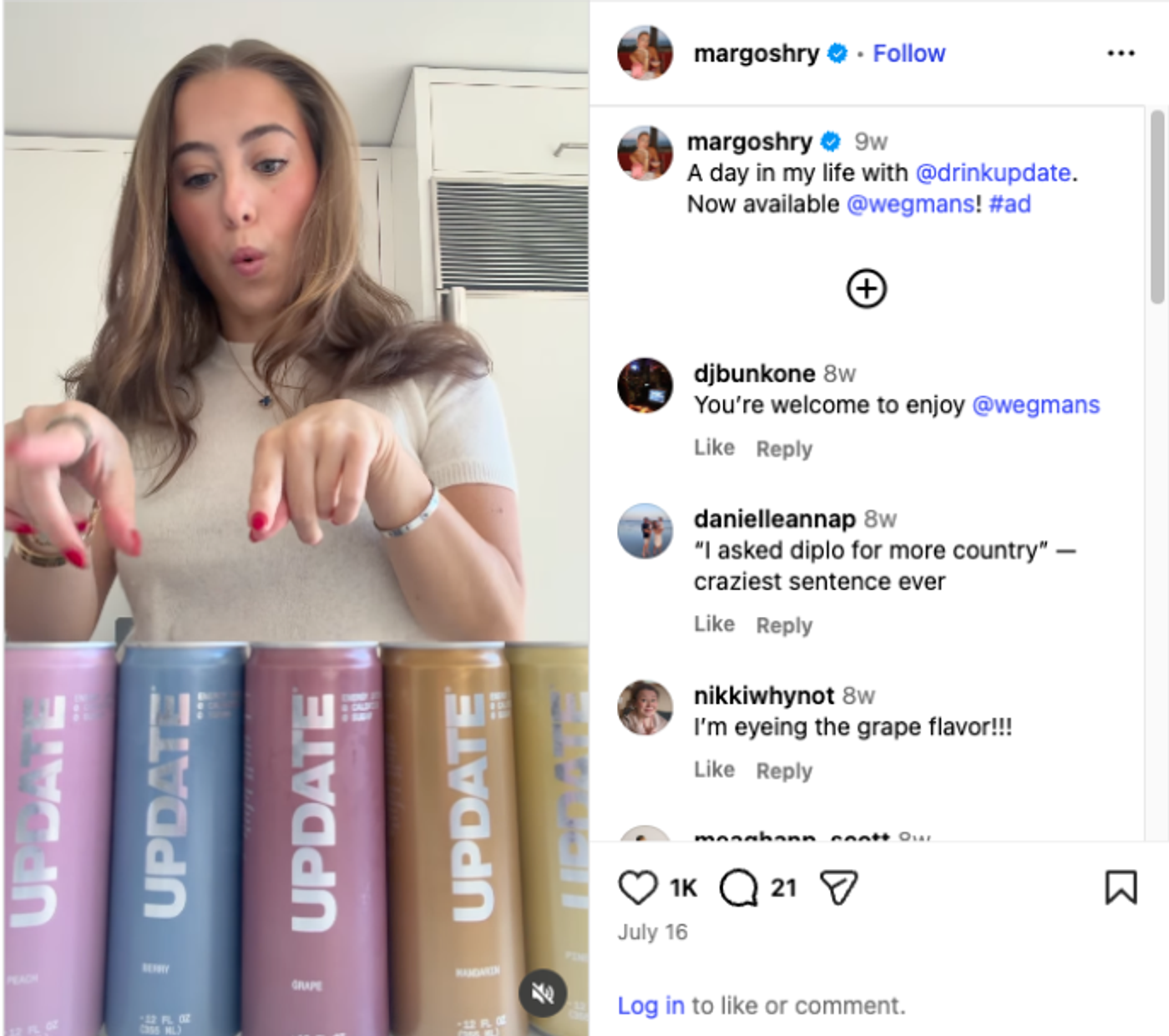
4. Day-in-the-Life Integration Videos
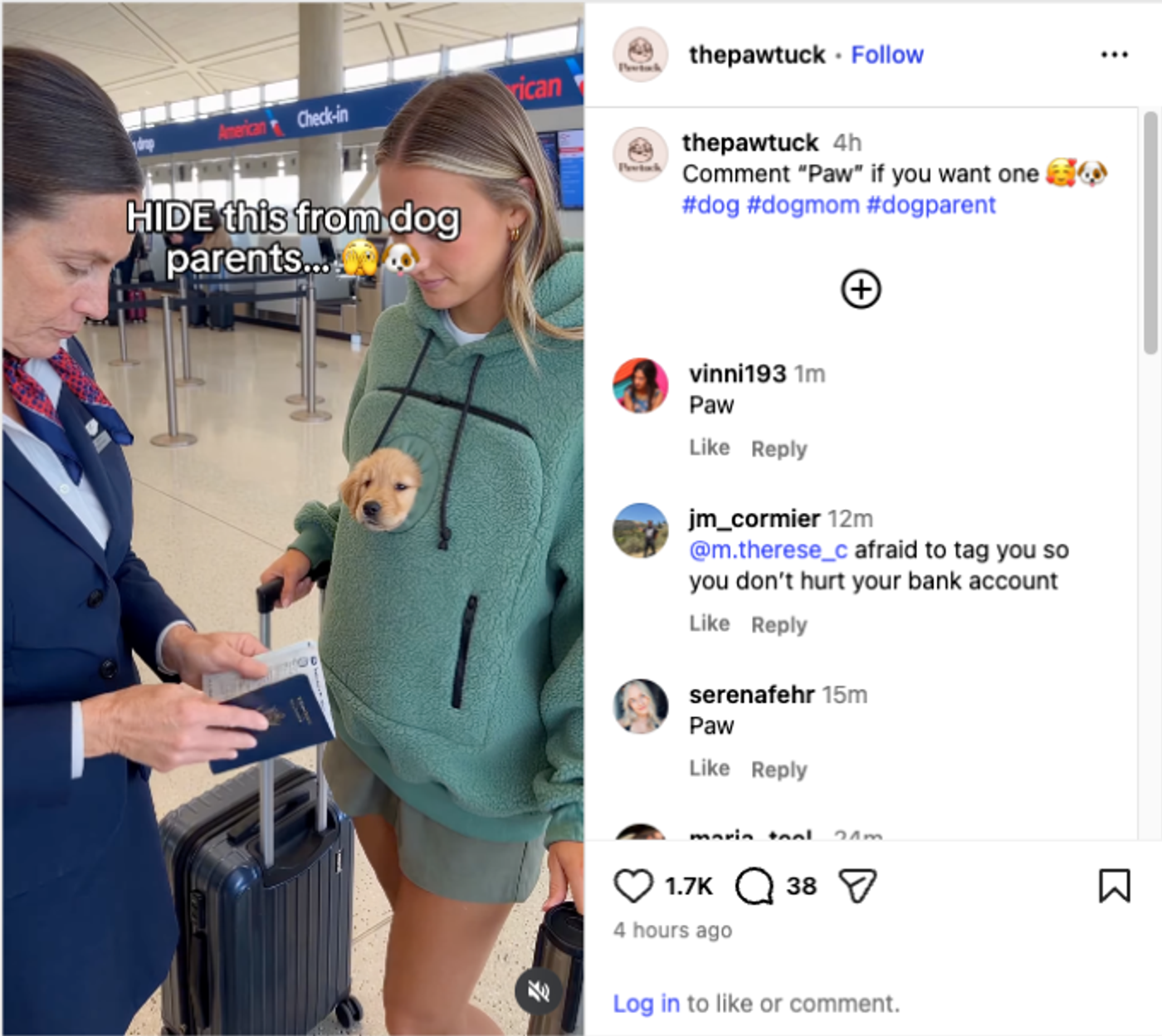
The product shows up naturally inside a broader routine, a morning get-ready video, a desk setup tour, a workout, rather than as the sole subject of the clip. This is one of the better UGC creator video examples for products that are easy to use but hard to explain in isolation.
Want to put this into practice?
SideShift connects you with vetted UGC creators who actually deliver. Start your free trial and post your first job in under 10 minutes.
What makes it effective: Seeing a product inside someone's actual life makes it easier for a viewer to picture it inside their own.
5. Before-and-After Videos
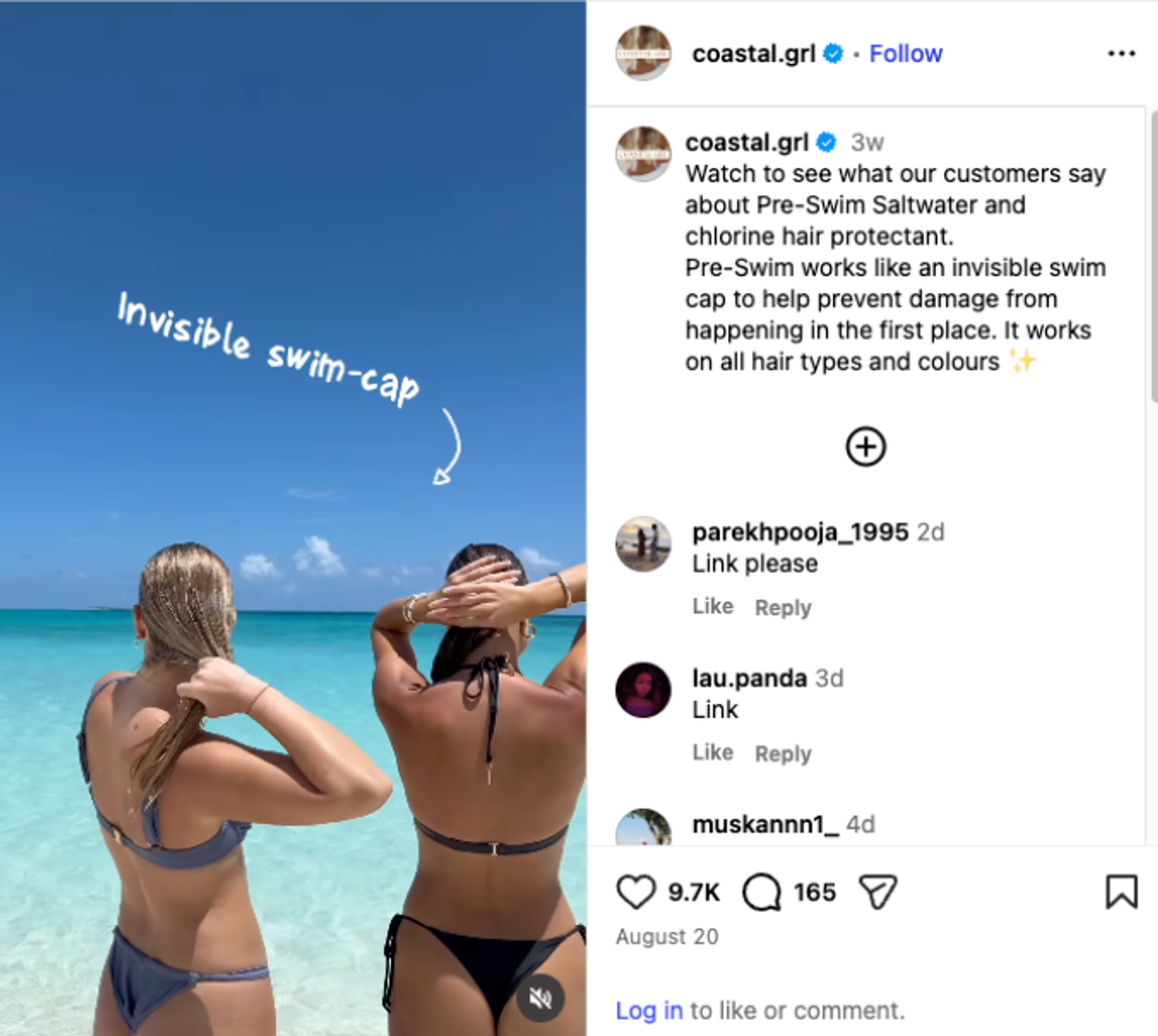
A split or sequential clip shows the state of something (skin, a room, a piece of furniture) before the product and again after. This format is a natural fit for UGC product video examples in beauty, home, and wellness categories, where the result is genuinely visible.
What makes it effective: A visible before-and-after removes the guesswork. The viewer doesn't have to imagine the outcome; they can see it.
6. Tutorial and How-To Videos
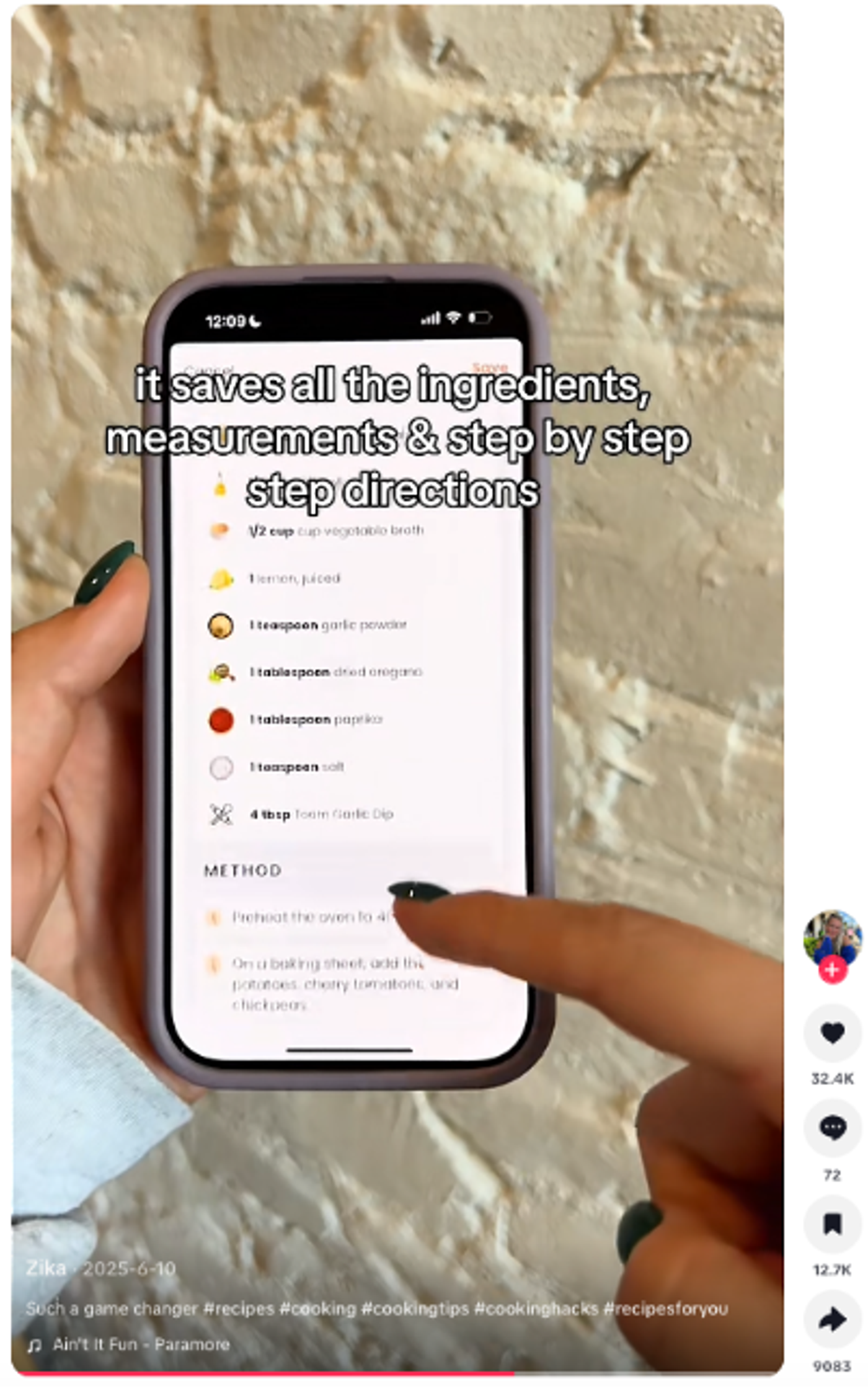
The creator walks through exactly how to use the product, step by step, often solving a specific application question a buyer would otherwise have to search for separately. These UGC videos tend to follow a simple structure: state the goal, show the steps, show the result.
What makes it effective: A viewer who can picture themselves succeeding with the product may feel more confident buying it than one who's still unsure how it works.
7. Side-by-Side Comparison Videos
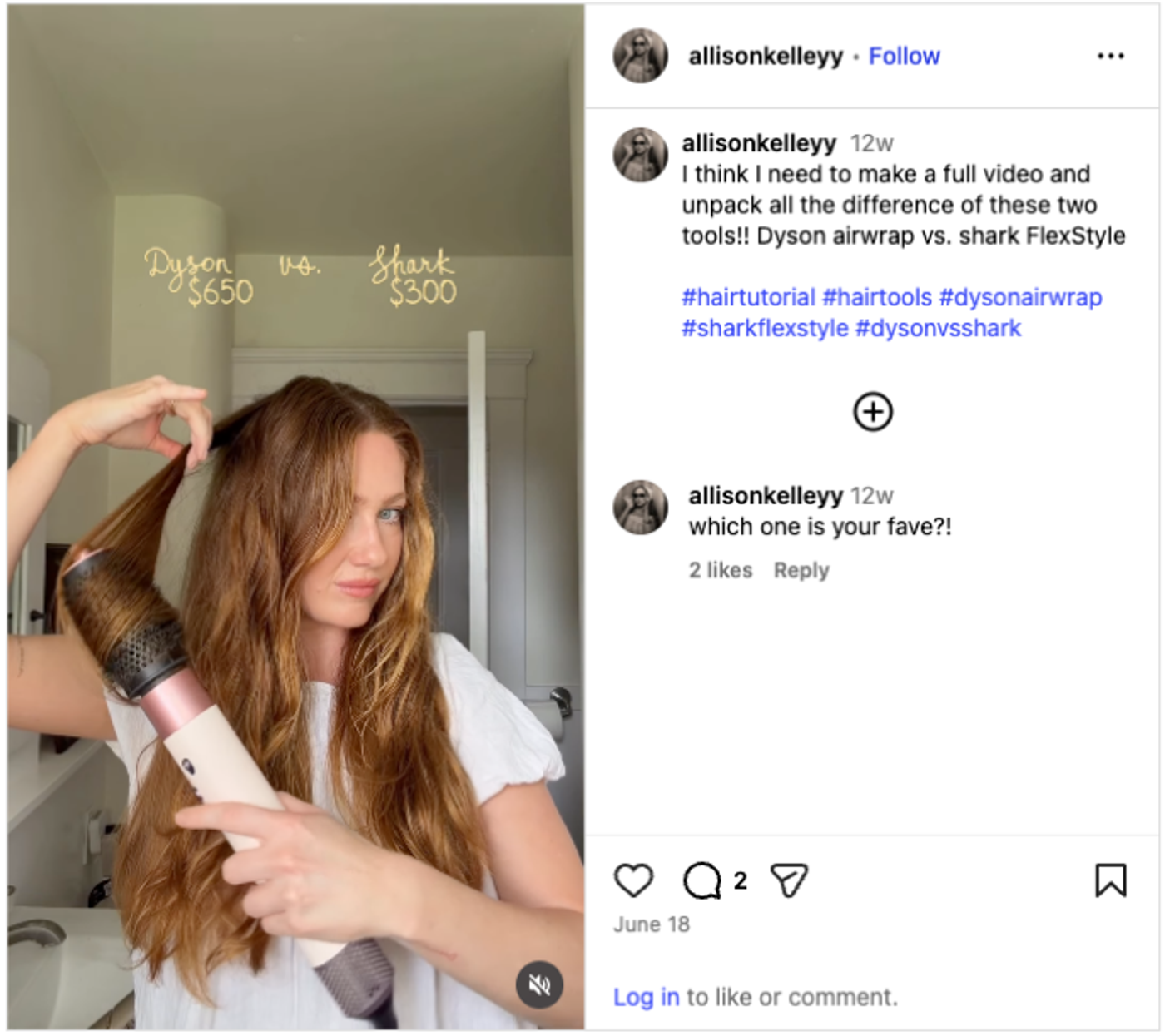
A creator compares the product against a competitor, an older version, or the DIY method someone would otherwise use. This format works because it does the research for the viewer instead of asking them to trust a claim on faith.
What makes it effective: Comparison content meets shoppers exactly where they are in the decision, already weighing options, which can be one of the final steps before a purchase.
8. Founder or Behind-the-Scenes Videos
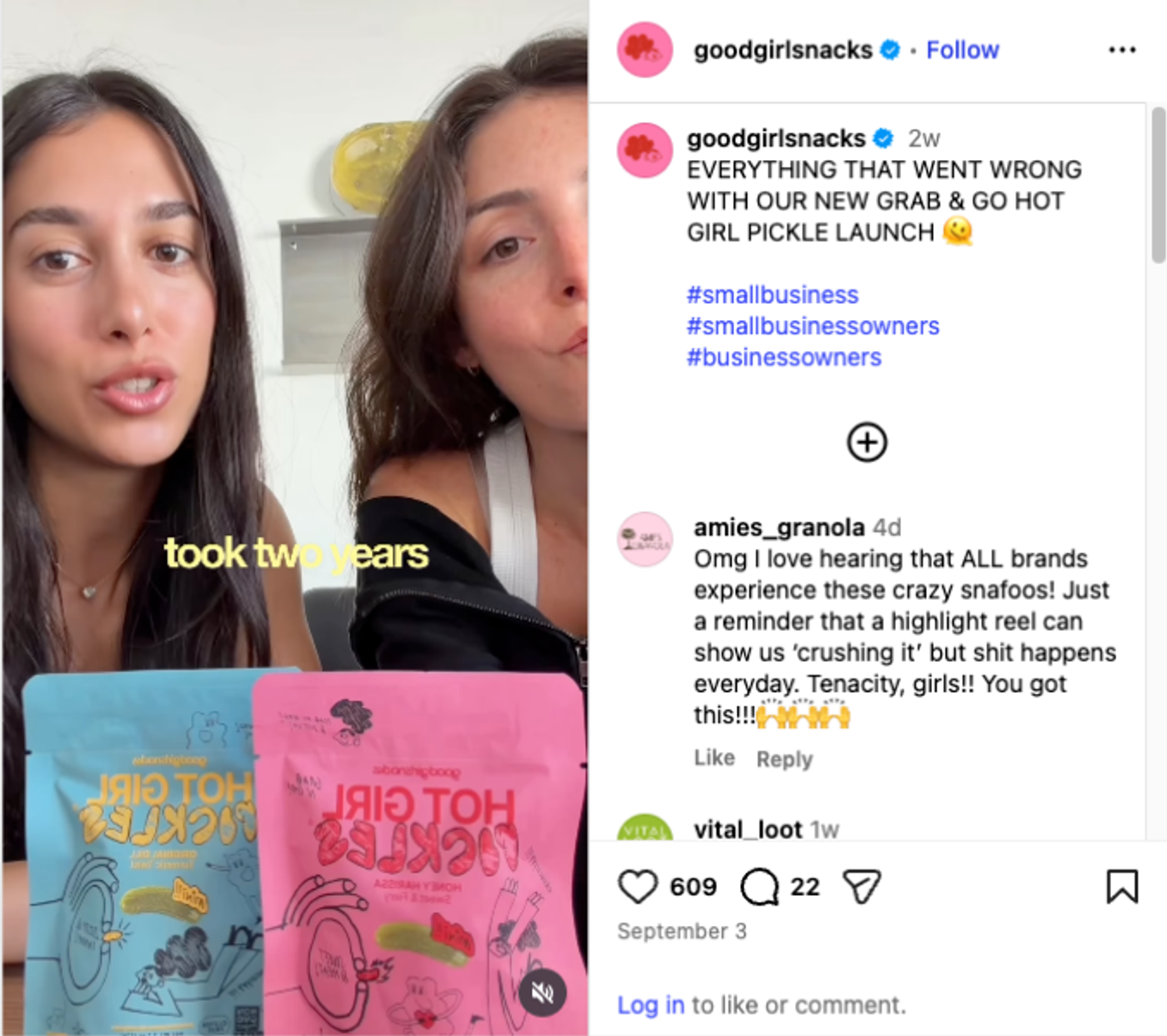
These lean less on a traditional creator and more on the people actually building the product: a founder explaining why they made it, or a look at how it's produced. It's less common than creator-led UGC, but it can be a strong fit for brands with a genuine story to tell.
What makes it effective: It adds a layer of trust that a paid endorsement can't always replicate, because viewers hear directly from the people who built the product.
9. AI-Enhanced UGC Videos
AI UGC videos use a real creator's footage as the base, then apply AI tools to generate multiple hook variations, translate the video into other languages, or extend a single shoot into several ad variants. The creator and the product experience stay real; the AI speeds up how many versions of the video a brand can test.
What makes it effective: Testing several hooks against the same core footage lets a brand find the highest-performing opening fast, instead of guessing which version to run.
How to Pick the Right UGC Video for Your Campaign
The right UGC format depends on what your buyer needs to see, understand, or believe before they purchase. If they need proof that the product works, start with a before-and-after or testimonial. If they need to understand how it fits into their routine, try a tutorial or product demo. And if they're already weighing your product against an alternative, a comparison video can speak directly to that decision.
Want to put this into practice?
SideShift connects you with vetted UGC creators who actually deliver. Start your free trial and post your first job in under 10 minutes.
Don't feel like you have to choose just one. Testing two or three formats around the same product gives you a clearer picture of which creative approach actually resonates with your audience. Once you find a format that performs, keep the structure and test new hooks, creators, pain points, and angles to see what improves results.
From there, treat every UGC video as something you can learn from. Watch which formats stop the scroll, which hooks hold attention, and which messages actually drive action. Those insights should shape the next round of creative rather than simply recreating whatever UGC example happens to be trending.
Launch Your Next UGC Video Campaign with SideShift
A good idea still needs the right creator to shoot it, and a system to move it from brief to published post before the trend fades.
SideShift gives you access to 1M+ creators so you can put more hooks, angles, and formats into the market, see what performs, and double down on the winners. From sourcing creators to briefs, approvals, and payouts, the entire campaign stays in one place when you manage UGC campaigns with SideShift.
FAQs
1. Why can UGC videos perform better than traditional ads?
It looks and sounds like something a real person made, not a brand. That reads as more trustworthy, which lowers the guard viewers put up against traditional advertising.
2. How long should a UGC video ad be?
Many UGC video ads run between 15 and 45 seconds. Shorter cuts are often used for cold audiences on TikTok and Reels, while slightly longer versions can work for warmer audiences already familiar with the brand.
3. Do I need professional actors for UGC video ads?
No. The format works precisely because the creator isn't a trained actor. Genuine reactions and everyday delivery can feel more relatable than polished, scripted-sounding footage.
4. Can AI generate UGC-style videos from scratch?
AI can generate hook variations, translations, and edits from real creator footage, but fully synthetic UGC may not carry the same credibility as video built on an actual creator's real experience with the product.