
What is Influencer Marketing, and How to Leverage it for Your Brand
Find out how influencer marketing works, why it drives trust, and how brands can leverage it to boost brand awareness and growth.
Table of Contents
What is Influencer Marketing, and How to Leverage it for Your Brand
Somewhere between billboards losing our attention and banner ads learning how to annoy us, a quiet shift happened: people stopped trusting anything with a logo on it and started trusting… people they've never met.
It sounds absurd.
But strangers on the internet became the new product experts. Not because they have fancy studios or marketing degrees, but because humans are wired to believe other humans long before we believe a company.
That’s the root of influencer marketing.
Before we get into definitions and strategies, it helps to know this: influencer marketing isn’t a new invention. It’s an updated version of something we’ve always done. The platforms changed, but the psychology didn’t.
What is influencer marketing?
Influencer marketing is when a brand partners with a person who has built trust with an audience, and that person recommends or showcases the brand’s product to their followers.
For example, in the post below, a social media influencer is making her shake on camera, explaining what products she uses and why she likes those products.
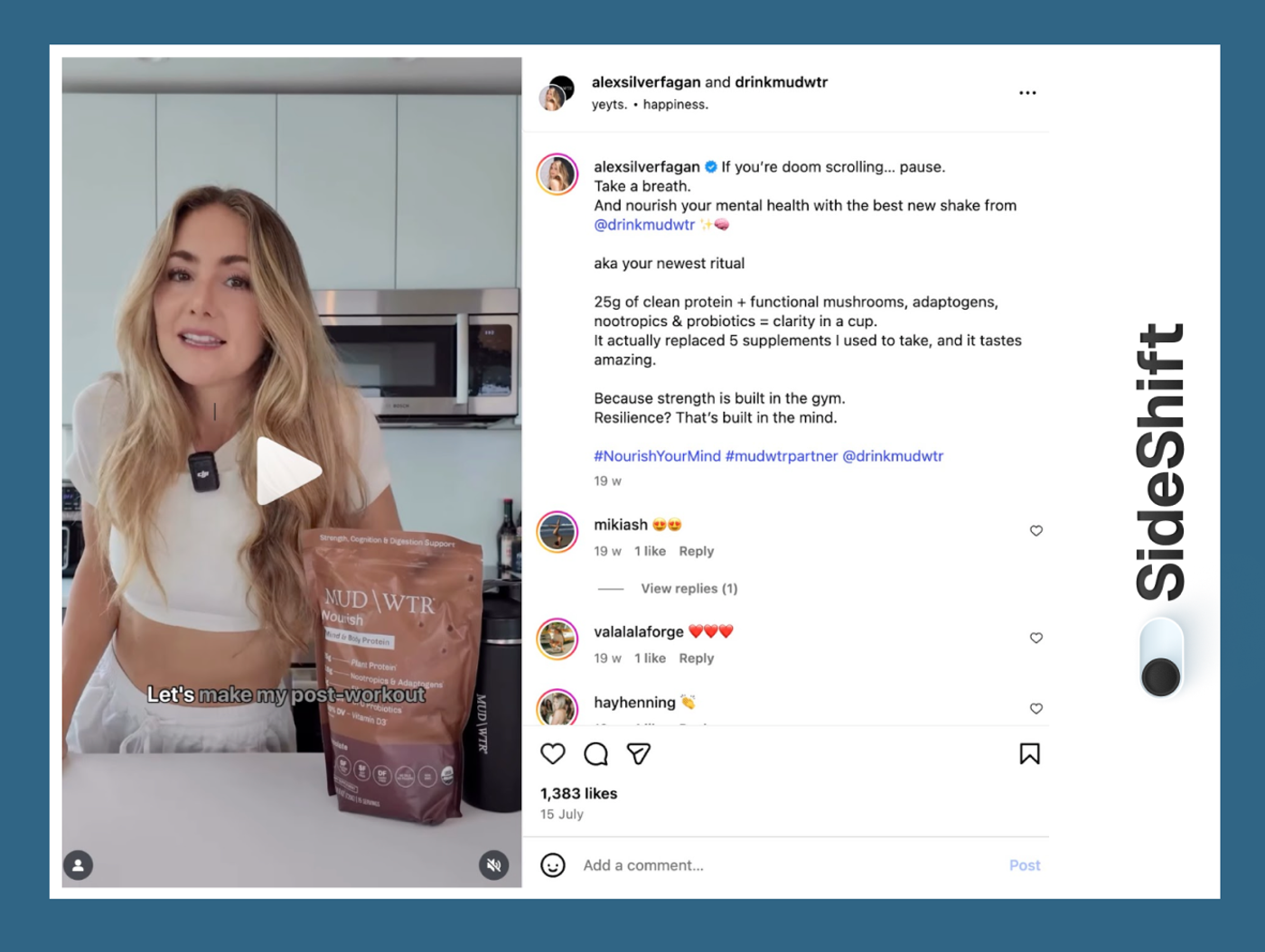
It’s not a hard sell. It’s a recommendation delivered in the middle of content that her audience already comes to her for.
Why Influencer Marketing Works (The Psychology Behind It)
Influencer marketing is a predictable outcome of how the human brain makes decisions. Long before we compare features or read spec sheets, we look for cues from other people. Psychologists call these social proofs and heuristics, aka the mental shortcuts we rely on when the world throws too many choices at us.
Influencers tap directly into these shortcuts.
1. People trust people more than companies
When a company talks about its own product, people raise their guard
When a person talks about a product they use, the message feels more believable. Influencers function as that “human filter,” which reduces skepticism.
2. We listen to people who feel similar to us
This is the similarity bias.
If someone has the same interests, lifestyle, age group, or problem you’re trying to solve, their recommendation carries more weight.
It feels directly relevant rather than generic.
3. Familiarity builds comfort
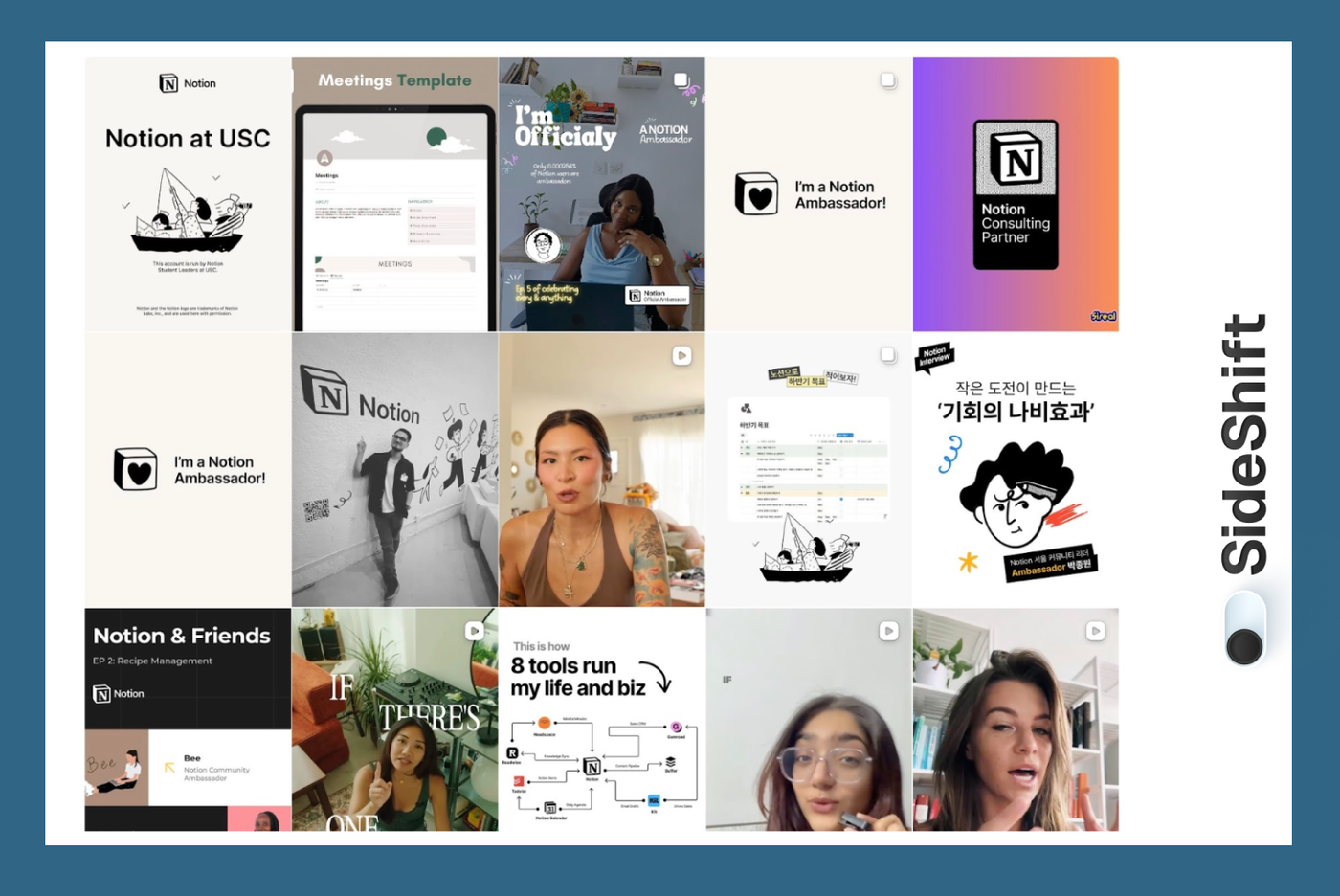
Seeing a product multiple times from the same influencers makes it feel less risky.
The brain naturally prefers things it has seen before, even briefly.
Influencers create that repeated exposure in a natural, everyday context.
For example,
4. They reduce decision overload
People are overwhelmed by too many choices. Influencers cut through that by telling their audience what worked for them and why.
It removes the need for consumers to research everything from scratch.
5. Real-life use cases are easier to understand
Influencers show products in real situations: how it fits, how it works, what they liked, and what they didn’t.
This kind of practical demonstration helps people imagine how the product will work for them.
How to Create an Influencer Marketing Strategy
Step 1: Define your customer
Before you choose influencers or plan content, you need a clear picture of who you’re trying to influence. This goes beyond broad labels like “millennial women” or “health-conscious buyers.” You want to understand the details that actually shape their behavior.
Want to put this into practice?
SideShift connects you with vetted UGC creators who actually deliver. Start your free trial and post your first job in under 10 minutes.
Start with the basics, like age range, location, income, and lifestyle. But build on it with real-world context.
Think about:
- Their daily routine: What does a typical morning or evening look like?
- Their problems: What do they search for when something annoys them?
- Their habits: Do they learn by watching videos, reading reviews, or asking friends?
- Their current influences: Which influencers do they follow without skipping?
- Their purchase logic: Do they compare alternatives? Do they wait for sales? Do they buy after seeing something used in real life?
These details help you understand where your product fits into their world.
If you sell a wellness product, your customer might be someone who follows morning-routine influencers, tracks their sleep, and buys based on real results rather than aesthetics.
This step matters because influencer marketing isn’t about “reach.” It’s about reaching the right people.
An influencer with a gaming-focused audience promoting a lipstick won’t move the needle, not because the influencer is bad, but because the audience isn’t watching that influencer for beauty product recommendations. Promotion feels too pushy.
Step 2: Find influencers who fit your brand and budget
Once you know who your customer is, the next step is finding influencers who speak to that customer naturally. You don't have to go after the biggest name or the lowest rate. If you'd rather use a dedicated platform to source and vet influencers, our guide to the best influencer marketing platforms compares the top options.
Start with content relevance.
Ask: Would their audience realistically care about products like yours?
If you sell hair care products to people with curly hair, then you need an influencer who talks about hair care AND has curly hair. Or if you sell kitchen tools, look for influencers who cook at home, share recipes, or film meal-prep content.
Next, check their connection with their audience.
- Are viewers actually responding?
- Are there real conversations in the comments?
- Do people trust this influencer's recommendations, or is every post a brand deal?
You're looking for influence, not just ‘influencers.’
Then evaluate content style and tone.
Ask: Does their style match how you want your brand to be seen? Some influencers are calm and educational; others are fast, humorous, or chaotic. Your product should feel like it belongs naturally in their world.
Finally, consider budget fit.
Influencer rates usually increase with follower count, but that isn’t the only factor. An influencer with a smaller audience may charge less, but if their viewers are highly engaged or regularly buy what they recommend, their rates can still be higher than expected.
Step 3: Reach out to influencers the right way
Once you’ve shortlisted influencers, the next step is reaching out. And this is where most brands overcomplicate things. You don’t need a long pitch, a full brief, or a five-paragraph sales message. The only goal of the first message is to check whether the influencer is open to collaborating.
Want to put this into practice?
SideShift connects you with vetted UGC creators who actually deliver. Start your free trial and post your first job in under 10 minutes.
Keep it simple with something like:
“Hey, we think your content aligns well with our product. Would you be interested in hearing about a potential collaboration?”
If they respond with interest, then you can share the details — what you’re looking for, timelines, whether the content is for their page or for your ads, and what compensation looks like.
At this stage, influencers will also tell you their rates or ask about your budget.
From there, aim for a win–win. Your ideal outcome is a price that makes sense for your brand and feels fair for their time, effort, and audience influence. Some influencers may negotiate, some may offer package pricing, and some may be flexible if the brief is simple.
Step 4: Track what works and build long-term relationships
After the content goes live, you need to evaluate which influencers are actually helping you reach your goals. You don’t need complex tools to do this. Start with basic signals:
- Which influencers are driving steady engagement?
- Which posts get saved, shared, or spark questions?
- Which ones lead to website visits, code usage, or direct messages asking about the product?
These simple signals tell you who your strongest partners are.
Focus on repeatability.
If an influencer consistently creates content that resonates with your target customer, they’re worth working with again. Long-term partnerships usually perform better because the influencer becomes familiar with the product, and their audience sees the recommendation more than once.
You can also strengthen these relationships by offering better compensation structures.
Instead of only paying flat fees or sending free products, consider giving high-performing influencers commission on sales. This aligns incentives on both sides and often leads to more motivated, thoughtful content.
The goal is to create a reliable network of influencers who understand your product and can present it naturally, rather than constantly testing new people with unpredictable results.
When You Need More Than Influencer Posts
Influencer marketing is great when you want to tap into someone else’s audience. But not every piece of content needs that audience. Sometimes, you just need strong product demos, problem–solution videos, or authentic clips you can use on your own pages, ads, and emails.
That’s where UGC (user-generated content) fits in.
UGC creators don’t post on their own profiles. They create content for your brand. This is helpful in a few situations:
- If you don’t need the influencer’s reach and only need good content, UGC is a more cost-efficient way to get it.
- Influencer partnerships might give you a few posts. UGC helps you fill the gaps with multiple formats, angles, and hooks you can test.
- When you want content for your own channels. Influencers' posts live on their pages. UGC gives you videos you can use on your website, TikTok, Instagram, ads, and product pages.
If you already run influencer marketing but need more content to support it, SideShift helps you source high-quality UGC creators quickly. You can reach thousands of vetted creators, review their portfolios, and get content without the back-and-forth of manual outreach.
Want to put this into practice?
SideShift connects you with vetted UGC creators who actually deliver. Start your free trial and post your first job in under 10 minutes.
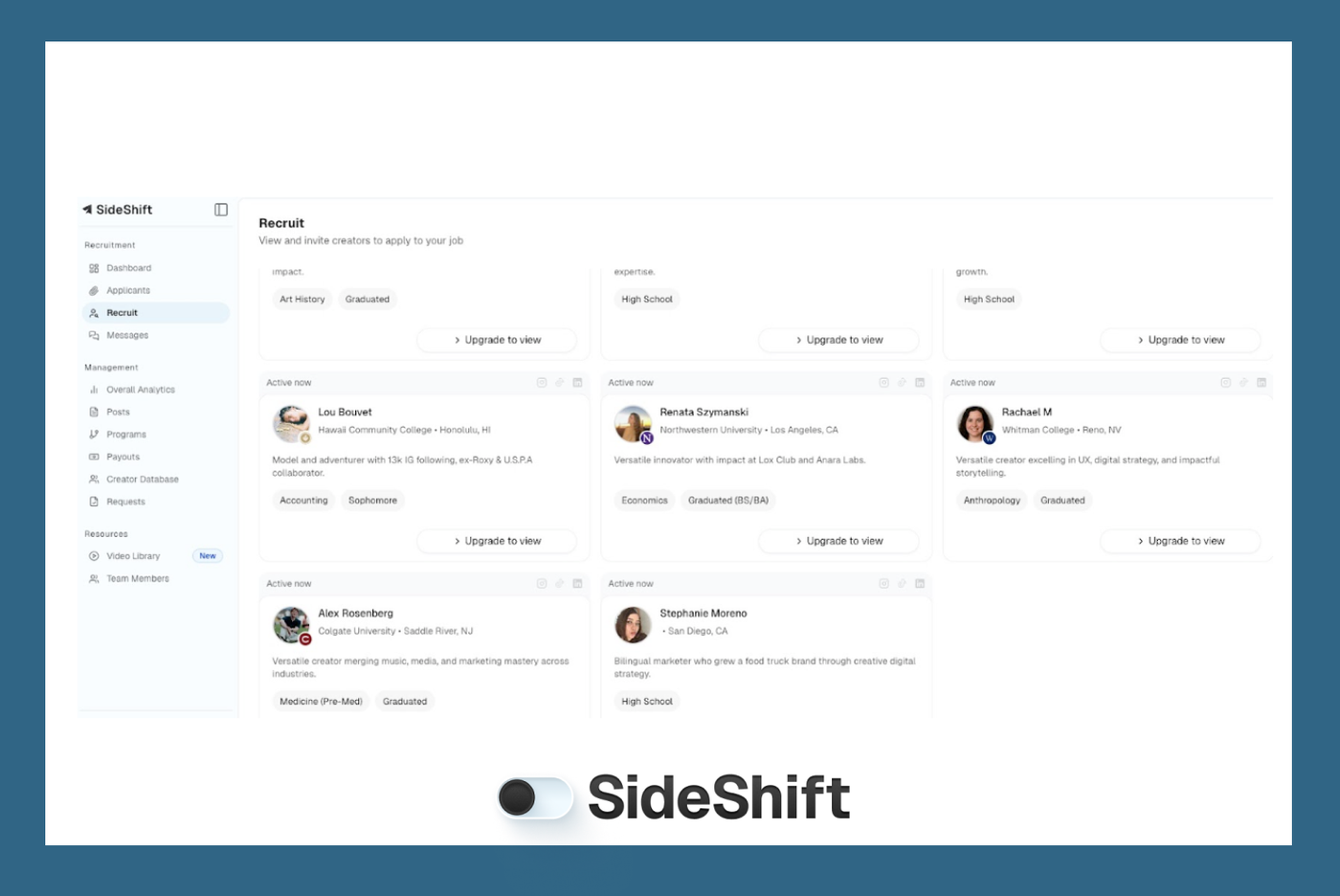
Try SideShift and see how easy it is to find and manage UGC creators without doing all the manual work.
FAQ
1.Is influencer marketing only for big brands?
Not at all. Influencer marketing scales well for businesses of all sizes. Smaller brands often collaborate with micro-influencers, who have tight-knit communities and strong engagement, making campaigns both affordable and highly effective.
2. How do brands find the right influencers to partner with?
The best matches come from aligning an influencer’s audience, style, and values with the brand’s goals. Platforms and tools can help streamline the process by verifying creators, analyzing audience demographics, and managing collaborations efficiently.
3. Do influencers need large followings to be successful?
No. High follower count doesn’t automatically mean better results. Micro-influencers and niche creators often produce more relatable content and maintain stronger trust with their audiences, leading to better engagement and conversions.