


What is a Social Media Influencer: Everything You Should Know
Find out how social media influencers drive growth and how SideShift helps brands connect with authentic creators that audiences actually trust.
Table of Contents
A social media influencer is a creator who has built a following on platforms like TikTok, Instagram, or YouTube and uses that audience to shape opinions, recommend products, and partner with brands. They can be fitness coaches, finance educators, tech reviewers, or lifestyle creators. What they share is an audience that trusts them enough to listen.
Unlike traditional celebrities, most social media influencers grew their platforms from scratch around a specific niche or point of view. That origin is a big part of why their recommendations carry weight. Followers chose them for a reason, and that relationship is what brands are actually paying to access when they run influencer campaigns.
Whether you're a brand building out your first influencer strategy or a creator trying to understand how the industry works, this guide covers what social media influencers do, the different types, how they make money, and how brand-creator partnerships are structured.
What Are the Different Types of Social Media Influencers?
Social media influencers are typically categorized by follower count, but audience size alone doesn't tell the full story. Engagement rate, niche, platform, and content format all shape how effective a creator is for a given campaign. Here's how the tiers break down:
UGC creators (any follower count)
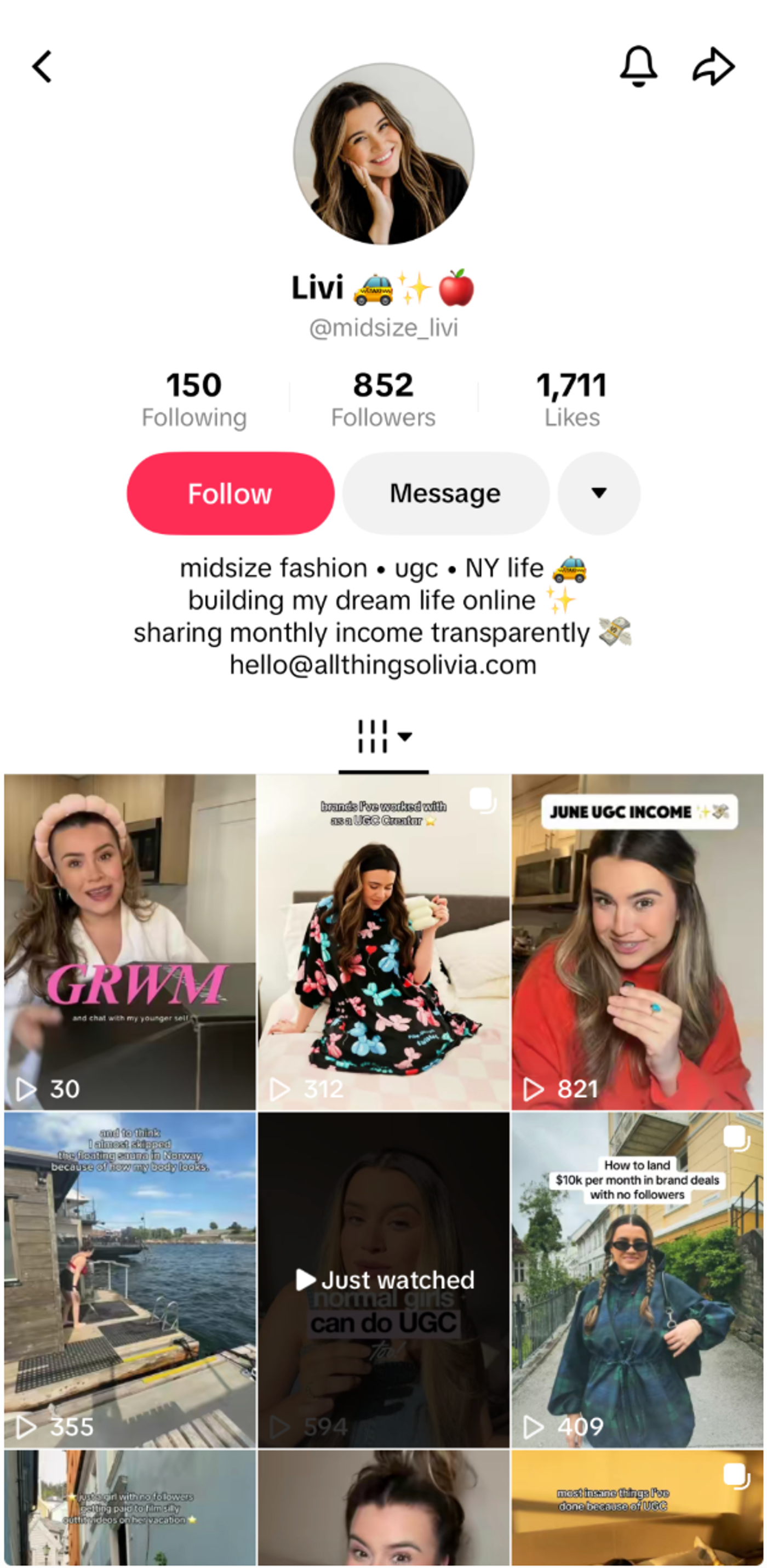
UGC creators produce content for brands without necessarily posting it to their own audiences. Their follower count is irrelevant. What matters is content quality. Brands use UGC creators to build libraries of licensed creative for paid ads, product pages, and organic social without the distribution cost of a traditional influencer partnership.
Nano influencers (1,000 to 10,000 followers)
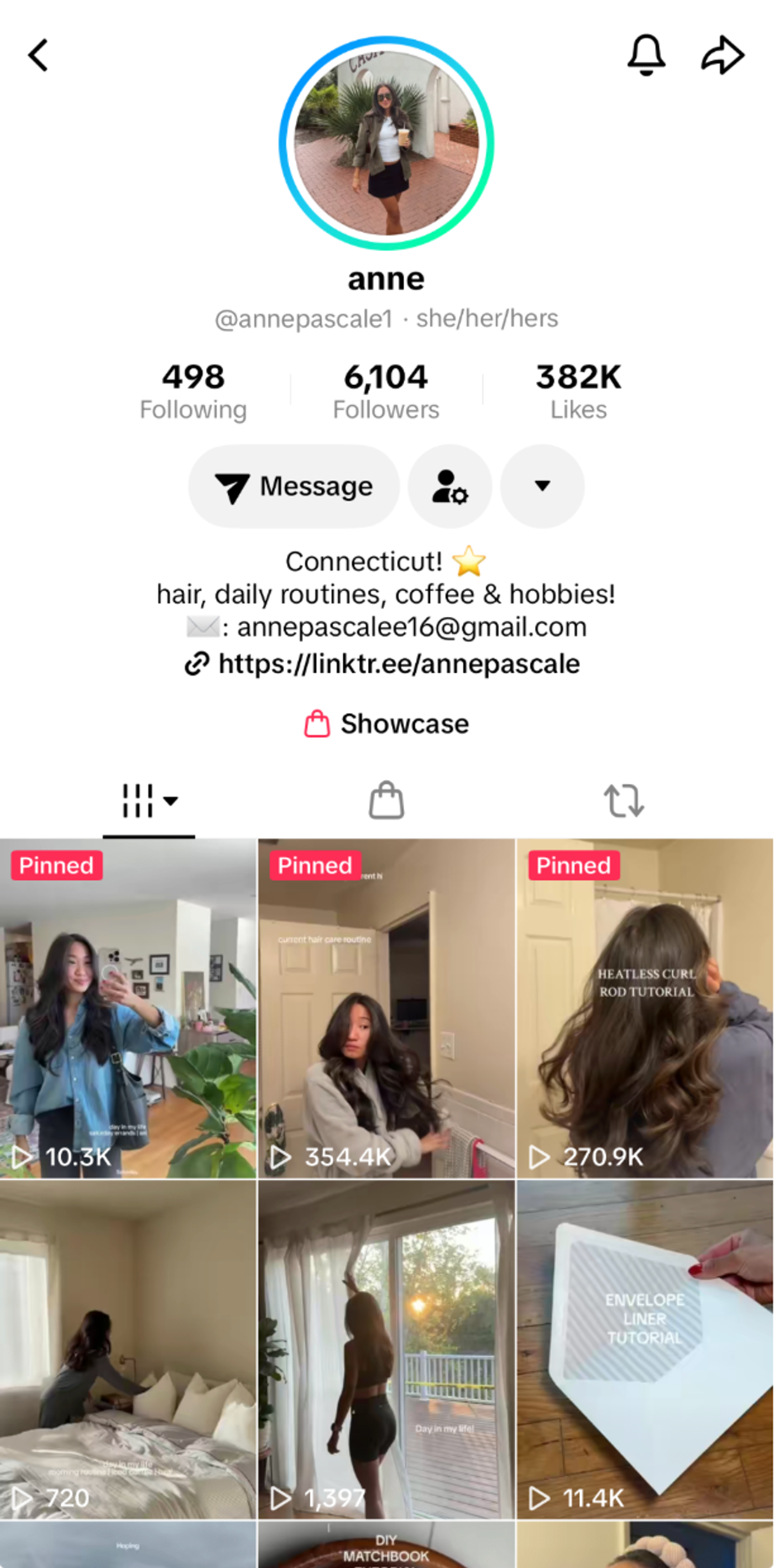
Nano influencers have the highest engagement rates of any tier, typically between 5% and 8%. Their communities are tight-knit and trust-driven, which makes them well-suited for grassroots campaigns, product seeding, and early-stage brand awareness. Industry data shows that nano influencers made up 75.9% of all Instagram influencers in 2024.
Micro influencers (10,000 to 100,000 followers)
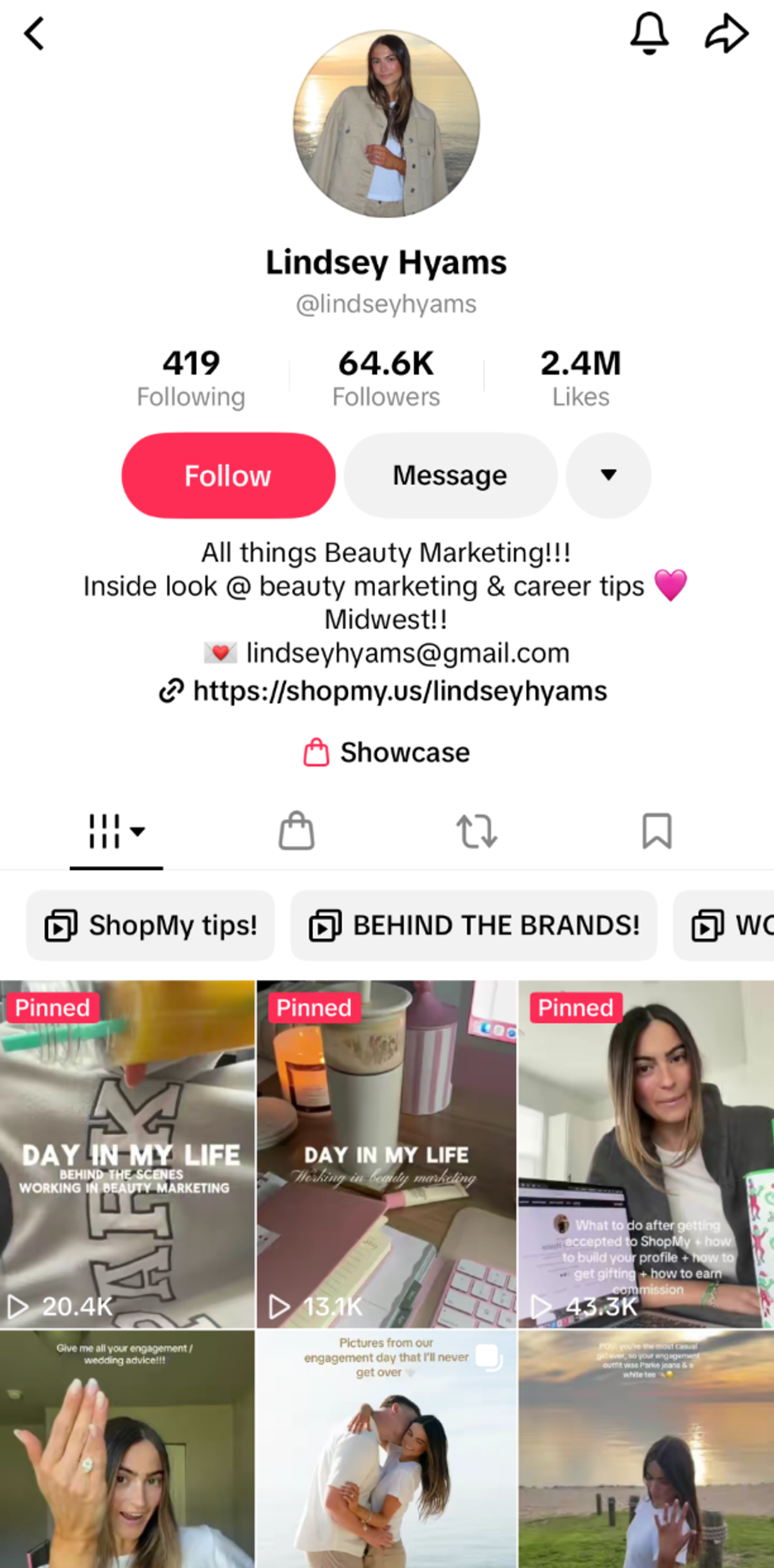
Micro influencers balance reach with relevance. Engagement rates sit between 3% to 6%, and their niche audiences make them well-suited for performance campaigns, paid ads, and UGC programs. Most brands find micro influencers deliver the strongest return relative to cost.
Macro influencers (100,000 to 1 million followers)
Macro influencers have professional-grade content and broad personal brands. They work well for large product launches, PR campaigns, and situations where a brand needs fast credibility in a specific vertical like beauty, fitness, or tech.
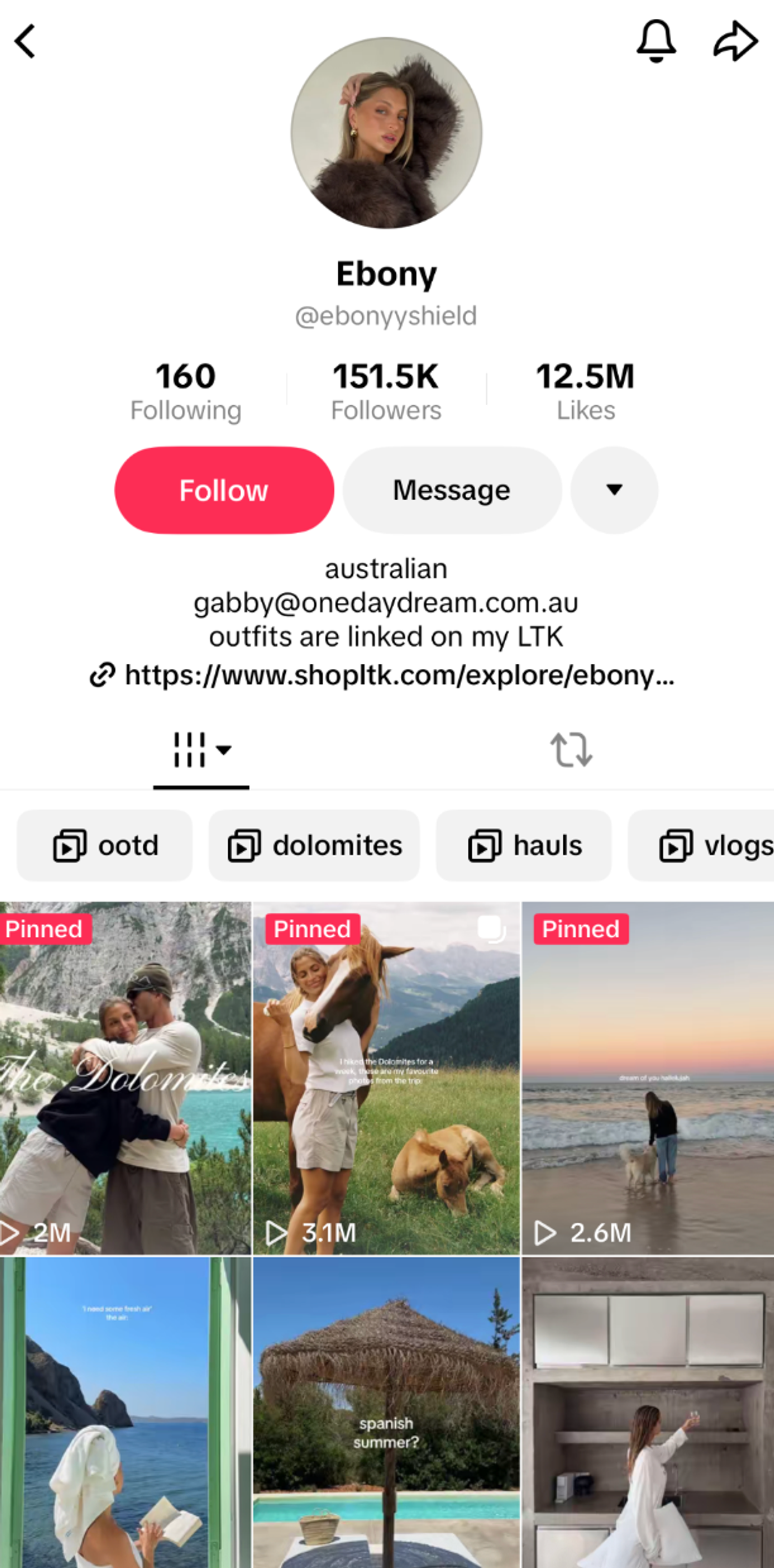
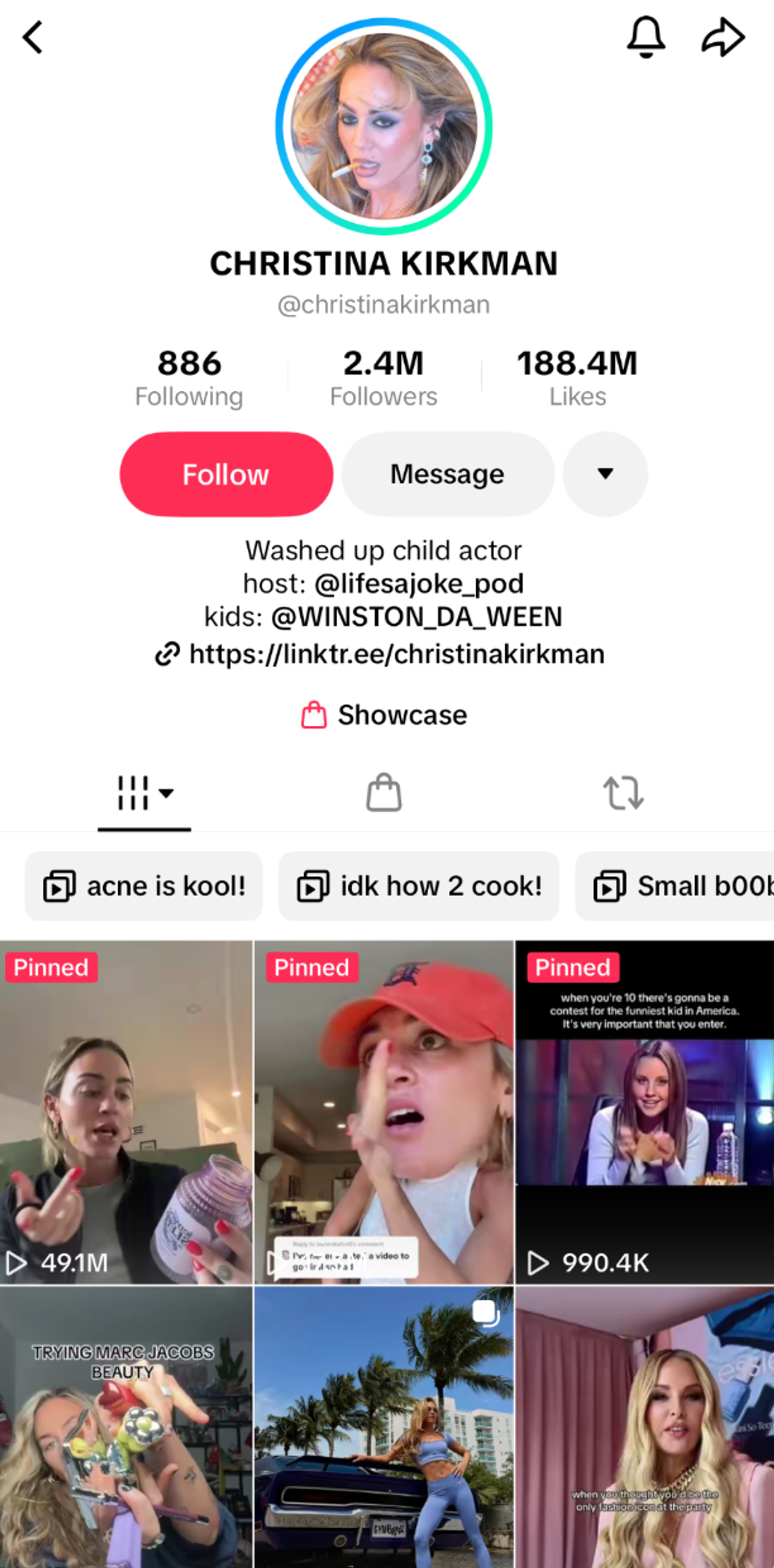
Mega influencers and celebrities (1 million+ followers)
Mega influencers deliver mass reach with engagement rates that typically sit between 0.5% to 1.5%. Best reserved for campaigns where cultural visibility, rather than conversion, is the primary goal.
What's the Difference Between a Social Media Influencer and a Content Creator?
These terms get used interchangeably, but they describe two different things.
A social media influencer monetizes their audience. The value they provide to a brand is distribution, meaning access to a group of people who trust their recommendations. Follower count, engagement rate, and audience demographics are all part of what a brand pays for.
Want to put this into practice?
SideShift connects you with vetted UGC creators who actually deliver. Start your free trial and post your first job in under 10 minutes.
A content creator or UGC creator monetizes their production skills. They make content (videos, photos, testimonials) that brands use on their own channels, in paid ads, or on product pages. Their own following is not part of the deal. A UGC creator with 500 followers can command the same rate as one with 50,000 if the content quality is there.
Many creators do both. But understanding the distinction matters for brands building campaigns, because the brief, the pricing, and the usage rights structure are different depending on which type of partnership you're running.
What Does a Social Media Influencer Actually Do?
Being a social media influencer involves more than posting content. At a working level, it's a combination of content production, community management, brand partnership, and data analysis, often managed by one person.
- Content creation: Influencers produce short-form video, Reels, carousels, YouTube integrations, Stories, and livestreams, often across multiple platforms simultaneously. Most batch content, plan editorial calendars, and handle their own scripting, filming, and editing. Many creators also reshare brand or fan posts to their Story between original content — see how to repost a story on Instagram for the exact steps.
- Audience engagement: Influence is built through interaction, not just reach. Responding to comments, running polls, doing Q&As, and showing up in DMs consistently is what separates creators with loyal communities from those with large but passive followings.
- Brand partnerships: Sponsored content, affiliate programs, long-term ambassadorships, and usage rights licensing are the primary revenue streams. The best creators are selective about which brands they work with, as misaligned partnerships can erode the audience trust that makes them valuable in the first place.
- Analytics and optimization: Successful influencers track watch time, saves, shares, click-throughs, and audience demographics to understand what performs and why. Many run informal A/B tests on hooks, formats, and posting times to sharpen their content over time.
How Do Social Media Influencers Make Money?
Influencers have more revenue streams available to them than most people realize. Some different types of brand deals for influencers include:
- Sponsored content: A brand pays a flat fee for the creator to post content featuring their product or service. This is the most common model and the one most people associate with influencer marketing.
- Affiliate marketing: The creator earns a commission on sales generated through a unique link or code. It offers lower upfront cost for brands and performance-based upside for creators.
- Usage rights licensing: Brands pay to use a creator's content in paid ads, on their website, or across other channels. This is priced separately from the creation fee and can increase a creator's earnings per piece of content.
- Whitelisting and spark ads: Brands run paid ads directly through a creator's social account. This requires account-level access and commands a premium because it leverages the creator's identity and credibility in the ad unit itself.
- Long-term ambassadorships: These are ongoing partnerships where a creator is associated with a brand across multiple campaigns over months or a full year. They typically pay a retainer plus per-post fees.
Want to put this into practice?
SideShift connects you with vetted UGC creators who actually deliver. Start your free trial and post your first job in under 10 minutes.
- Digital products and courses: Many creators monetize their expertise directly by selling their own products, including courses, presets, templates, and memberships, independent of brand deals.
Why Are Social Media Influencers Effective for Brands?
The core benefit of social media influencer marketing is trust, but it also extends to reach and efficiency. Influencer content doesn't feel like an ad to most audiences because it's delivered by someone they chose to follow in a format that looks like organic content. That context changes how people receive the message. Brands also gain access to built-in audiences they don't have to build themselves, content they can repurpose across paid and organic channels, and targeting precision that broad media buys can't match.
The business case for brands:
- Cost efficiency at scale: Working with multiple micro influencers across a campaign typically delivers better engagement per dollar than a single macro or mega partnership.
- Content volume: A well-run creator program produces a continuous library of licensed content, including product demos, testimonials, and lifestyle footage, that feeds paid ads, organic social, and product pages simultaneously.
- Niche precision: Influencer marketing lets brands reach specific communities like endurance athletes, small business owners, and first-time homebuyers, with a message delivered by someone those communities already trust.
Social Media Influencer Marketing Strategy: How Brands Should Work with Creators
Running influencer campaigns at scale requires more than finding a creator and sending a product. Here's how brands approach it effectively:
1. Define the objective first. Are you running a performance campaign aimed at conversions, a brand awareness push, or building a UGC library for paid ads? The objective determines which tier of creator you need, which platform makes sense, and how you should structure the brief and the agreement.
2. Match the tier to the goal. Nano and micro influencers are strongest for conversion, niche targeting, and UGC production. Macro and mega work better for broad awareness and cultural moments. Most brands running always-on programs use micro influencers as the backbone and supplement with larger creators for periodic launches.
3. Build briefs that specify usage rights upfront. One of the most common mistakes brands make is negotiating usage rights after content is delivered. If you plan to run the content as a paid ad, that needs to be in the brief from the start. This sets expectations and ensures the partnership is priced correctly.
4. Track performance beyond reach. Engagement rate, click-through rate, conversion attribution, and content quality all matter more than follower count. Brands running high-volume programs use platforms that centralize performance data across all creators in one dashboard.
5. Scale with a UGC platform. Platforms like SideShift handle the operational layer of scaling. Creator sourcing, briefs, contracts, and payments all in one place means your team spends time on strategy, not logistics.
How to Become a Social Media Influencer
The creator economy is still open. Creators who build genuine niche authority now can grow quickly, and platforms like SideShift make it easier to start earning from brand deals before you have a massive following.
Want to put this into practice?
SideShift connects you with vetted UGC creators who actually deliver. Start your free trial and post your first job in under 10 minutes.
1. Choose a niche you can show up for over time. The most durable creator brands are built around genuine interest and expertise, including fitness, personal finance, parenting, B2B, food, and gaming. Pick a space where you have something real to say, not just a space that looks profitable.
2. Post consistently before you optimize. Volume builds skill. Start with 3 to 4 posts per week and increase from there. Algorithms reward consistency, and you'll learn faster from publishing than from planning.
3. Engage with your audience like they're people, not metrics. Real influence is built through conversation: replying to comments, responding to DMs, and asking questions. Creators who treat their community as an audience to perform for tend to plateau. Creators who treat them as people tend to grow.
4. Use data to refine, not to dictate. Watch time, saves, shares, and comments tell you what resonates. Use that information to double down on what works without abandoning the point of view that makes your content distinctive.
5. Apply to brand campaigns and build from there. You don't need a massive following to start working with real brands and getting paid to make social media content. You need a clear niche and the ability to make content that feels native to the platform. Apply to campaigns on UGC platforms like SideShift, build your portfolio, and start earning from your content while you grow.
Find Social Media Influencers and Paying Brand Deals on SideShift
Whether you're a brand building a creator program or a creator looking for your next brand deal, the hardest part shouldn't be finding each other.
Brands waste hours cold-searching creator databases, DMing for rates, negotiating over email, and chasing deliverables with no clear system. Creators spend time pitching brands that never respond, guessing at rates, and taking whatever work comes in rather than building a real client roster. Neither side has a sourcing problem. Both sides have an infrastructure problem.
Brands post a brief and receive applications from 800,000+ vetted creators across TikTok, Instagram, and YouTube, with briefs, contracts, content review, performance tracking, and payments all running through one platform. Creators get direct access to real campaigns from brands actively hiring, without cold outreach, without guessing what to charge, and without the back-and-forth that turns a simple partnership into a week-long email thread.
Less time managing the process means more time actually creating and running campaigns.
FAQs
1. What is a social media influencer?
A social media influencer is a creator who has built an audience on platforms like TikTok, Instagram, or YouTube and uses that following to recommend products, share experiences, and partner with brands. Their value to brands lies in the trust they've built with a specific community.
2. What is the difference between an influencer and a content creator?
An influencer monetizes their audience. Brands pay for access to their followers. A UGC creator or content creator monetizes their production skills. Brands pay for content to use on their own channels. Many creators do both, but the brief, pricing, and usage rights structure differ depending on which arrangement you're running.
Want to put this into practice?
SideShift connects you with vetted UGC creators who actually deliver. Start your free trial and post your first job in under 10 minutes.
3. How do social media influencers make money?
The main revenue streams are sponsored posts, affiliate commissions, usage rights licensing, whitelisting fees, long-term brand ambassadorships, and direct monetization through digital products or courses. Creators who understand usage rights and price them separately typically earn more per piece of content.
4. What types of brands benefit most from influencer marketing?
E-commerce, beauty, fashion, wellness, consumer apps, and lifestyle brands consistently see strong returns. B2B brands are increasingly using micro influencers and UGC creators on LinkedIn and YouTube to reach professional audiences with credible, peer-driven content.
5. How do brands find and work with social media influencers at scale?
The most efficient approach is through a dedicated platform. SideShift lets brands post briefs, receive applications from vetted creators, manage contracts and usage rights, track content performance, and process payments, all in one place. It removes the manual overhead that makes high-volume creator programs hard to sustain.