


How to Find UGC Creators for Your Brand in 2026
5 easy ways to find the best UGC creators, without spending hours scrolling on social media or chasing creators for a response.
Table of Contents
Finding UGC creators used to be straightforward. You’d search a few hashtags, DM a handful of creators, and someone would reply. Now that approach is breaking down fast.
It’s not because there aren’t enough creators. It’s because there are too many. Every brand wants UGC, every platform is full of people offering it, and it’s hard to tell who will actually be a good fit. Most teams get stuck at the same point. You find dozens of creators, but you don’t know how to judge quality, consistency, or whether the content will work for your brand. Outreach turns into back-and-forth. Tests drag on. Momentum slows.
Let’s break down five practical ways to find UGC creators who actually fit your brand and can drive real results.
5 Strategies to Find UGC Creators in 2026
There’s no single best place to find UGC creators anymore. What works is using a few reliable channels and knowing how to evaluate creators once you find them.
1. Use a UGC-focused Platform Like SideShift
The fastest way to find UGC creators in 2026 is to stop searching where everyone else is searching manually.
Platforms built specifically for UGC take care of the hardest parts upfront: volume, vetting, and logistics. Instead of scrolling through profiles or cold-DMing creators who may or may not reply, you start with a pool of creators who are already open to brand work and understand how UGC collaborations work.
SideShift, for example, gives brands access to a large, pre-onboarded creator network. You can post a brief once and reach thousands of creators at the same time. Then, you review applicants who are interested in your product and timeline.
Alternatively, you can view profiles of creators and reach out to them.
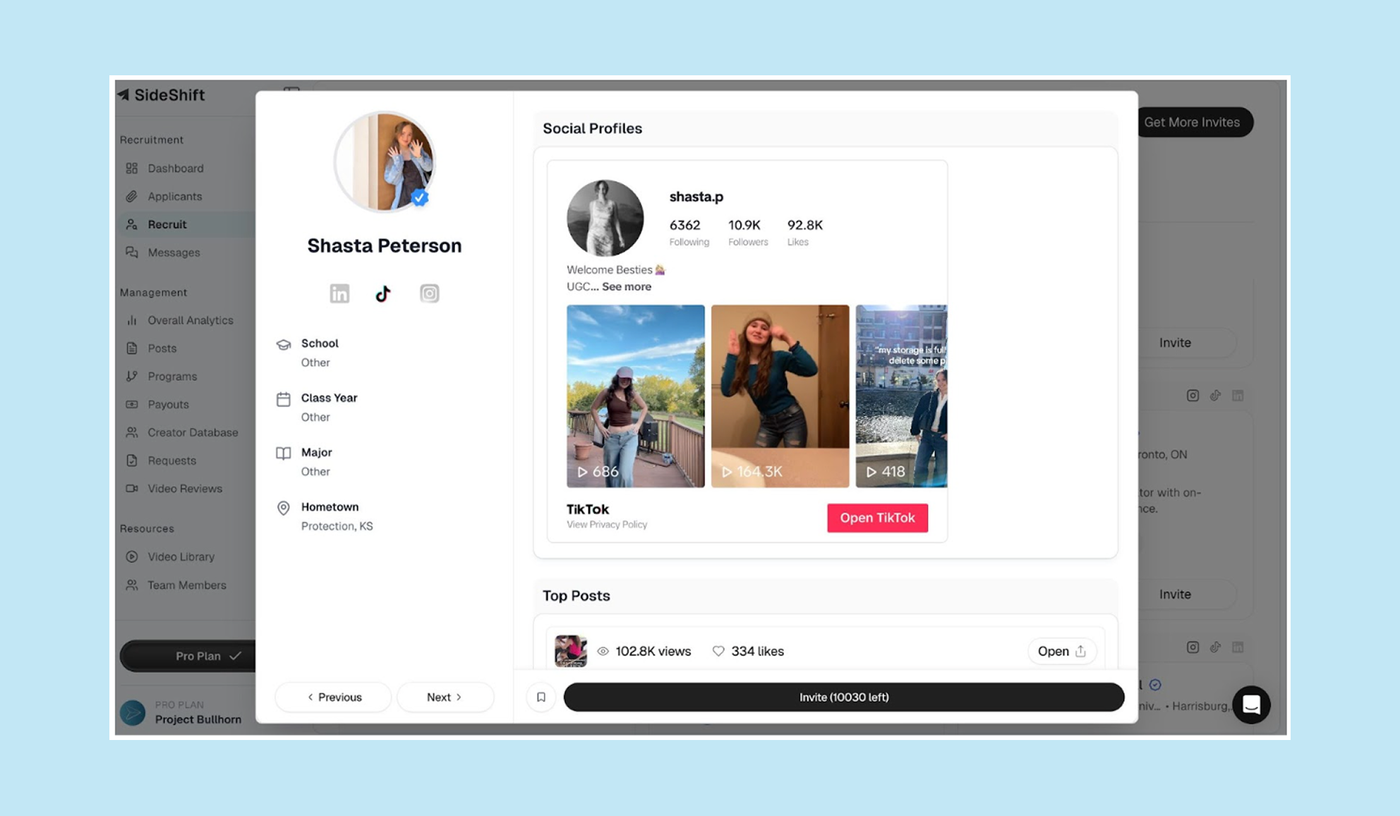
This matters because fit is easier to judge when creators come to you. You can compare portfolios side by side, see past work, and quickly filter out creators who don’t match your brand style or content needs. There’s less guesswork and fewer long back-and-forth conversations just to get started.
Another advantage of SideShift is operational. Contracts, payments, and payouts are handled in one place, so UGC doesn’t turn into a finance or ops headache. Performance tracking also happens inside the platform, which helps you decide who to work with again.
For brands producing UGC regularly, platforms like SideShift turn creator discovery into a repeatable system instead of a one-off task. For teams still relying on legacy software, it's worth reviewing a few Pixlee alternatives to see how modern platforms handle creator discovery differently.
2. Find UGC Creators Through Organic Platform Search
Some of the best UGC creators are hiding in plain sight on social platforms. Not everyone calls themselves a “UGC creator,” and many strong creators are simply posting product-style content consistently.
Start by searching on platforms like TikTok and Instagram for content that already looks like what your brand would run as an ad or organic post. Product demos, routines, reviews, unboxings, or problem–solution videos are usually better signals than polished influencer content. The goal isn’t to find reach. It’s to find a presentation style.
Want to put this into practice?
SideShift connects you with vetted UGC creators who actually deliver. Start your free trial and post your first job in under 10 minutes.
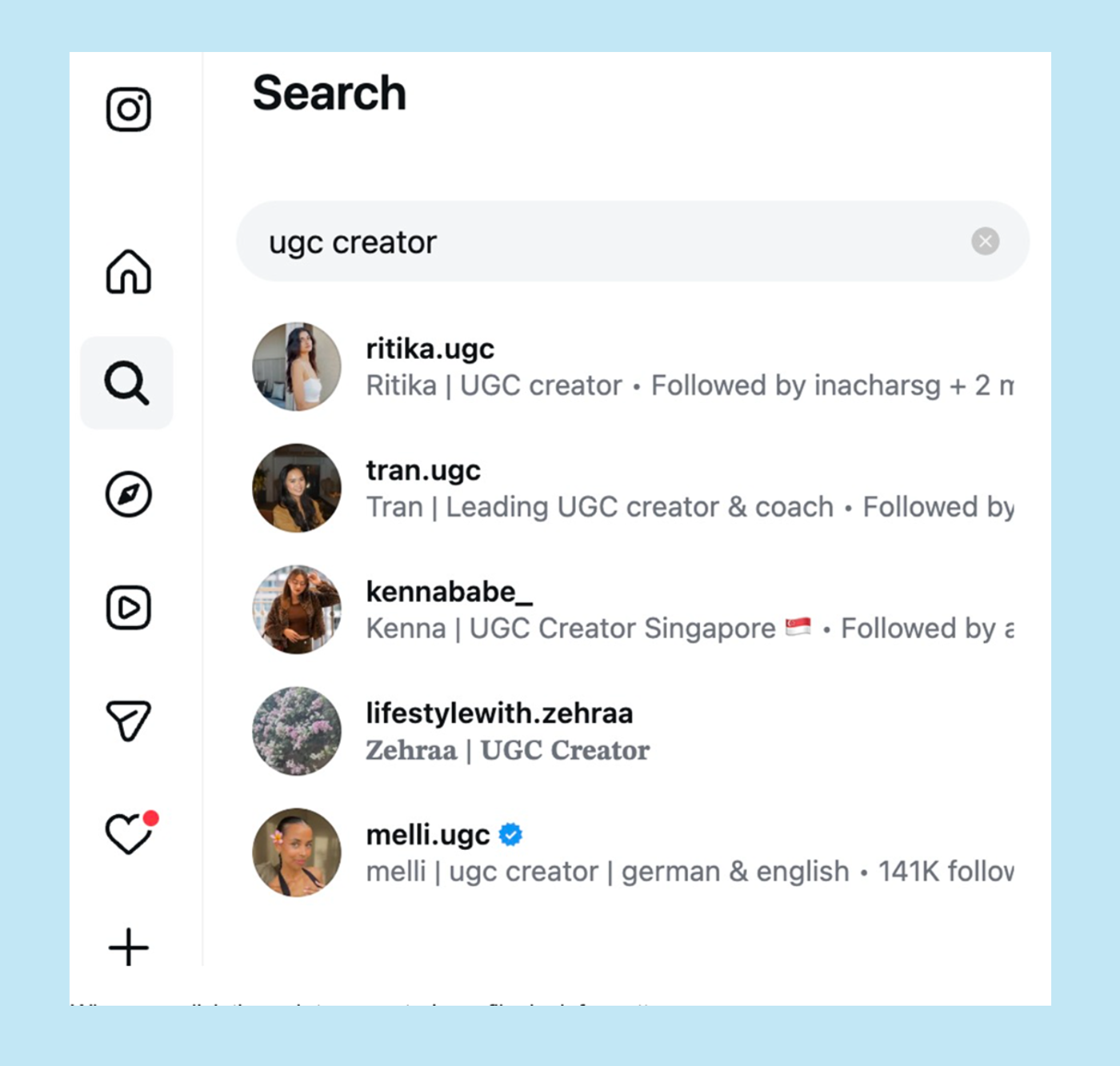
When you click through to a creator’s profile, look for patterns.
- Do they explain products clearly?
- Do they feel comfortable on camera?
- Are their videos clear enough to watch?
This method takes more time than using a platform, but it gives you direct insight into how creators think and film without a brief. For early-stage brands or teams testing a new category, organic search can help you understand what a good UGC looks like before you scale hiring elsewhere.
3. Find the Right Creators With Hashtags Related to Your Industry
Hashtags aren’t very useful for reach anymore, but they’re still effective for discovery.
You can use them to search for people already creating UGC content in your category. Start with a relevant hashtag, scroll through recent posts, and click into profiles that look like real product content.
If the results feel too broad, go more specific. Instead of a category-level tag, search for hashtags that describe a routine, problem, or use case. The more niche the hashtag, the easier it is to find creators who actually understand the space.
For example, if you sell a skincare product, searching #skincare will surface everything from influencers to brand ads. Going a level deeper with hashtags like #oilyskincare, #acneproneroutine, or #barrierrepair brings up creators talking about specific problems and routines.
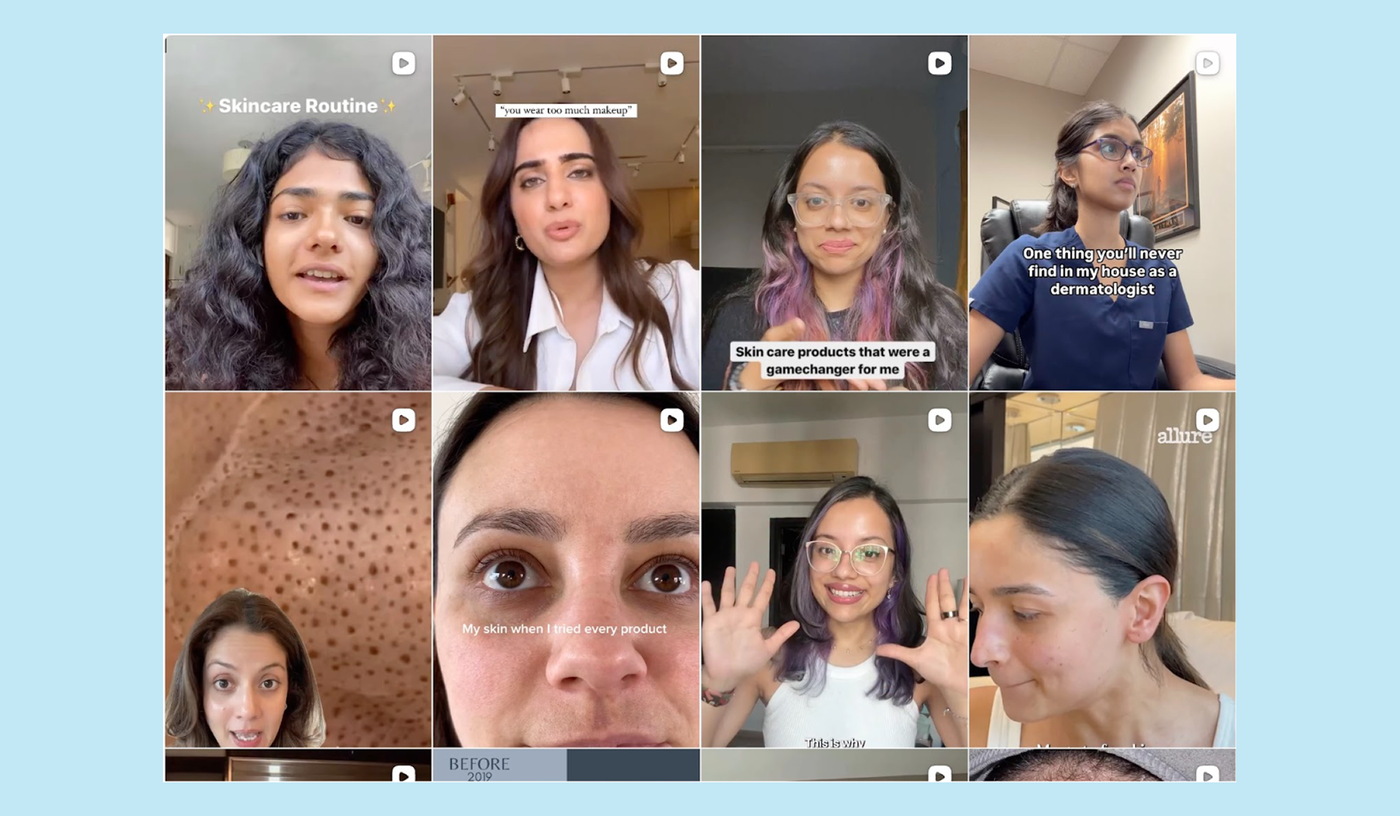
When you find creators already speaking your audience’s language, the content usually needs less direction and fewer revisions.
4. Run a Small Paid Test Instead of Over-Evaluating Profiles
One of the most practical ways to find good UGC creators is to stop trying to judge everything upfront.
Profiles, portfolios, and past work help, but they don’t tell you how a creator will perform with your product, your brief, and your constraints. A simple way around this is to run a small paid test with a short list of creators instead of debating who looks best on paper.
Create a lightweight test brief. One video. Clear angle. Clear format. Tight deadline. Pay for it.
Then look at how creators actually work:
- Did they deliver on time?
- Did they follow instructions?
- Did they ask smart questions?
- Was the content usable without heavy edits?
This approach surfaces the signal very quickly. The creators who do well on small tests are usually the ones you want to keep working with. The ones who struggle often reveal that early, before you’ve invested real time or budget.
5. Create a Simple UGC Program That Attracts Creators to You
Once you start working with UGC regularly, the biggest unlock is shifting from sourcing to attracting.
Instead of finding creators one by one, create a simple UGC program and a landing page where creators can apply. This page should explain who you’re looking for, what kind of content you need, how often you work with creators, and how compensation works. Clear expectations filter out a lot of mismatches upfront.
You don’t need anything complex. A short page, a few example videos, and an application form are enough. Share the page in your emails, social bios, job boards, and creator communities. Over time, creators who already like your brand will find it on their own.
Want to put this into practice?
SideShift connects you with vetted UGC creators who actually deliver. Start your free trial and post your first job in under 10 minutes.
This approach works especially well for brands that want ongoing UGC, not one-off videos. You start building a steady inbound pipeline of creators who understand your product and want to work with you.
The payoff is consistency. When creators opt into your program, they’re usually more responsive, easier to brief, and more likely to become repeat collaborators.
Find UGC Creators and Manage Them With SideShift Effortlessly
All of these strategies work. But they also take time, coordination, and follow-through. Searching manually, running tests, tracking creators, handling payouts, and figuring out who to rehire can quickly turn into a messy process as your UGC needs grow.
This is where a platform like SideShift fits naturally.
Instead of piecing together multiple workflows, SideShift gives you one place to manage your creators. You can source UGC creators, review applicants, manage campaigns, and handle payments. You post a brief once, creators apply, and you choose from people who are already interested and ready to work.
It also makes it easier to turn UGC into a system. You can see which creators deliver consistently, track performance across campaigns, and build a reliable roster instead of starting from scratch every time you need content.
Hire creators through SideShift and make UGC a sustainable growth channel.