


Influencer Marketing Examples That Drive Sales and Brand Growth
Real influencer marketing examples that boosted sales and brand reach, plus what made them work so you can replicate the results.

Table of Contents
Why Influencer Marketing Drives Sales and Growth
Influencer marketing is a measurable growth driver. By leveraging creators who resonate with your target audience, brands can boost engagement, drive sales, and foster authentic connections. People are 69% more likely to trust something from an influencer or a friend than brand owned content promotion (Source). So, when campaigns align influencer audiences with brand values, they generate real ROI and sustainable growth.
Core Components of a High-Performing Campaign
Influencer Selection & Value Alignment
Choosing influencers whose values, tone, and audience align with your brand is critical. Authenticity drives trust, which directly impacts conversions.
Campaign Goals & Strategy
Clear objectives-whether boosting sales, increasing brand awareness, or launching a product-guide content creation and campaign execution. Every campaign should have measurable KPIs.
Content & Creative Approach
Creative content should feel natural to the influencer’s audience while highlighting your brand. Formats include giveaways, unboxings, affiliate codes, collaborative content, challenges, and event experiences.
Performance Tracking & Analytics
Track key metrics like engagement rate, conversions, click-through rates, and ROI to determine which influencer strategies drive the most results.
Examples of Influencer Marketing Campaigns That Actually Convert
The common thread behind all successful influencer campaigns is the alignment between the brand and the influencer’s audience. Authenticity in messaging is what makes these campaigns truly effective, driving engagement, trust, and measurable sales growth. When influencers genuinely resonate with a brand’s values, their promotion feels natural, and audiences are more likely to act.
Giveaways and Contests
Giveaways and contests remain a highly effective way to interact with an audience while boosting brand visibility through Influencer engagement. These campaigns generate excitement, motivate followers to share content, and drive participation. For example, this TikTok giveaway by Brianna LaPaglia for Gametime illustrates how a creative and incentivising contest can spark engagement and increase audience interaction, all while keeping the brand top-of-mind. Giveaways are also a great way to highlight and focus on a specific result from marketing efforts like increased followers, likes, comments, or ugc. Often the giveaways and contests will have rules for entry where a brand can drive results to a specific metric they’d like to focus on for a specific audience.
Affiliate or Discount Codes
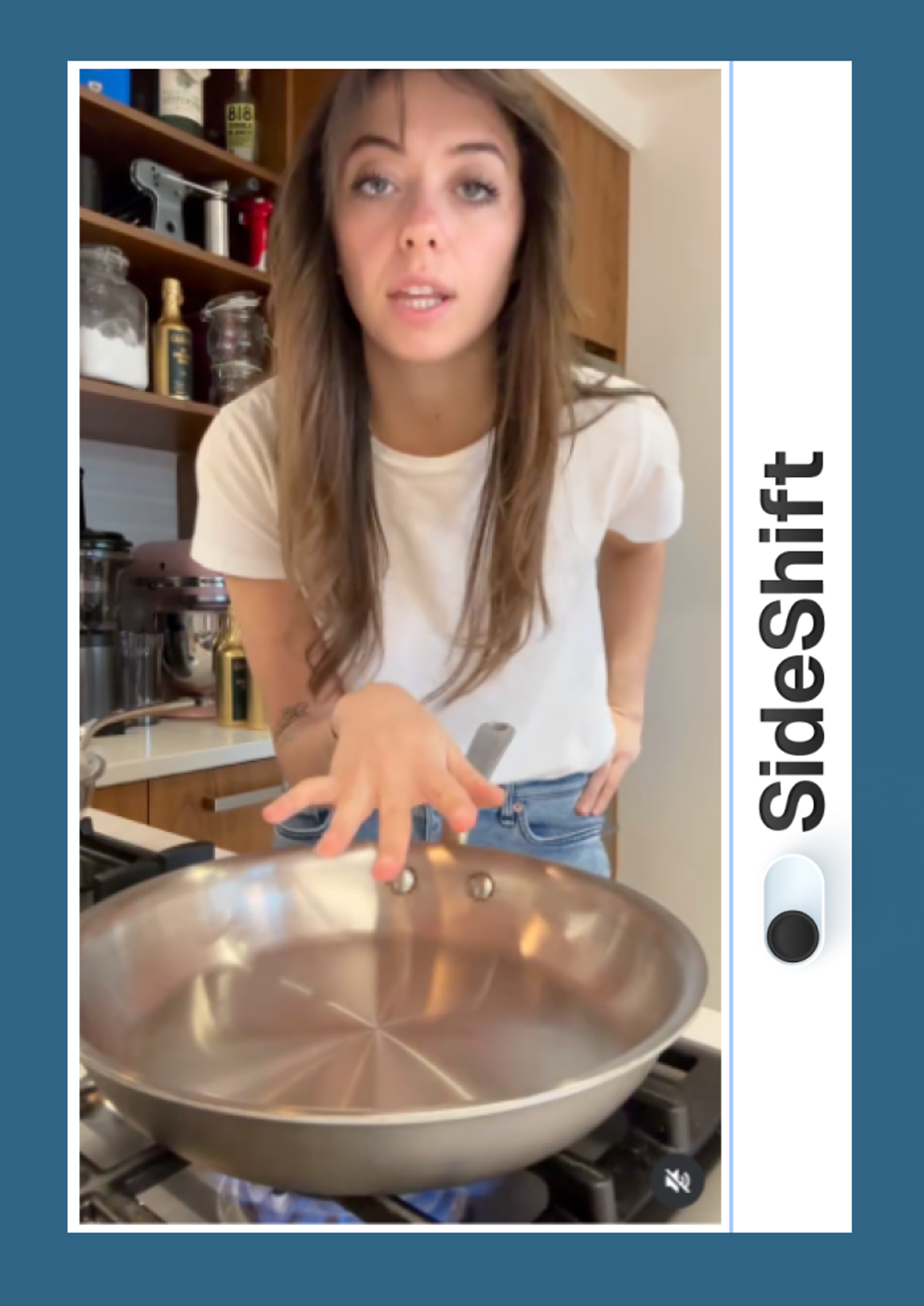
Affiliate and discount campaigns incentivize purchases while providing measurable ROI. It’s a win, win, win scenario for the creators, the brand, and the consumer. The influencers earn affiliate commissions, the brand gets increased exposure and more conversions via social, and the consumers get discounts! Influencers share unique codes that drive sales, and the performance is easily tracked by the brand. A great example is the OliviaTied x MadeIn collaboration, which shows how aligning incentives with audience interests can directly impact conversions and foster loyalty through trust.
Product Reviews or Unboxings
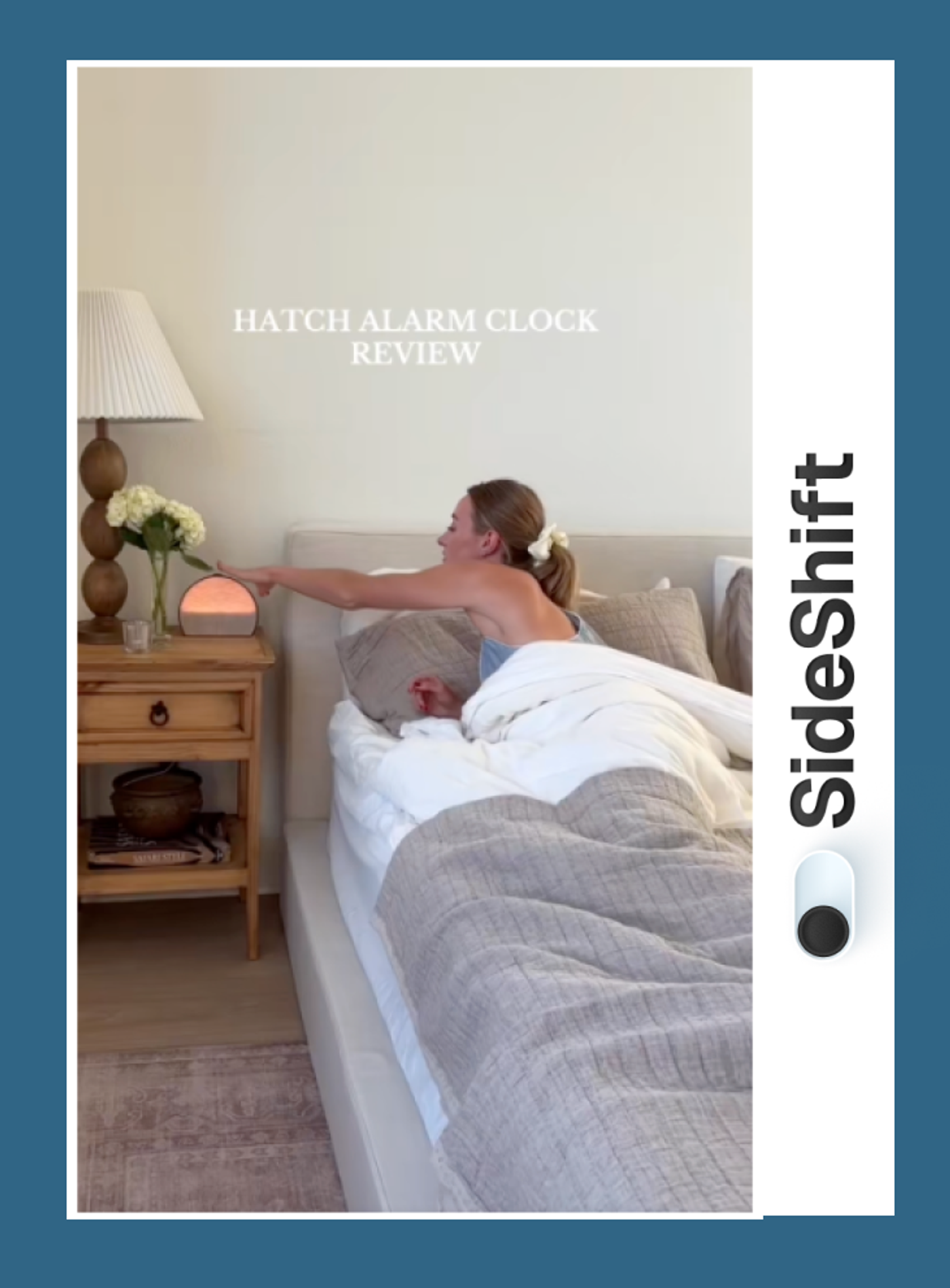
Product reviews and unboxing videos are highly effective because they show authentic first impressions and real experiences. Influencers share honest thoughts about products, highlighting what works and what doesn’t, which builds trust with their audience. One good example is this product review video of the Hatch alarm clock, praising it as “the most heavenly way to wake up + go to sleep” while giving followers a relatable perspective on how it improved their routine and showing them how it works.
Want to put this into practice?
SideShift connects you with vetted UGC creators who actually deliver. Start your free trial and post your first job in under 10 minutes.
Similarly, this Rhode Skin product review provided a rapid, honest takes on every product in their line, from limited-edition peptide lip tints to skincare essentials, helping audiences make informed decisions before purchasing.
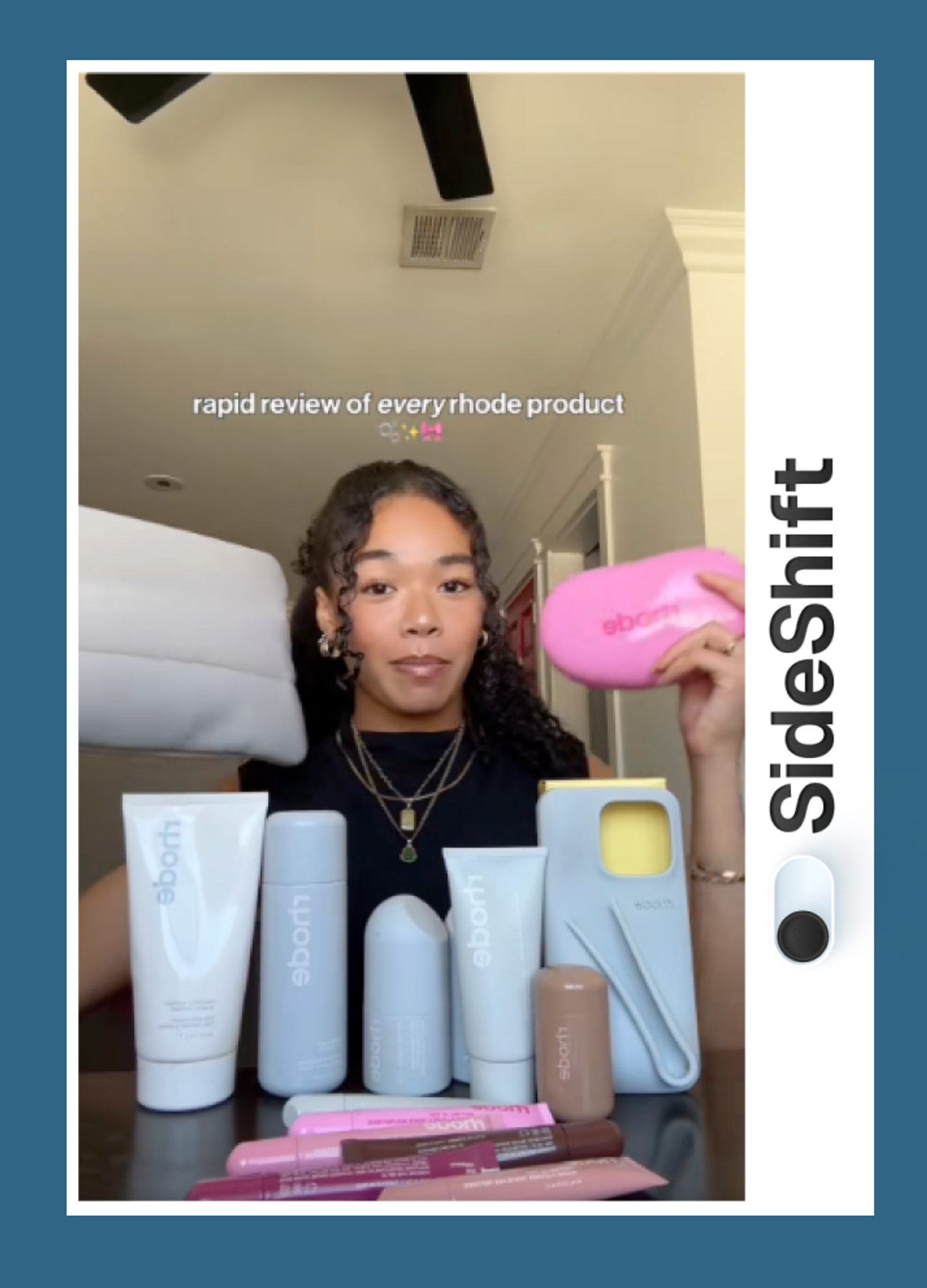
By combining personal storytelling with clear product demonstrations, reviews and unboxings by content creators and influencers can drive both engagement and sales while creating credible, shareable content. Videos like these make it easier for potential customers to see themselves in the use case of the product, or imagine a world where they already have it.
Challenges and Hashtag Campaigns
Remember the #ALSicebucketchallenge in 2014? Of course you do. And yes, it actually made a difference. This hashtag challenge converted to unprecedented awareness and over $220 million worldwide for research into amyotrophic lateral sclerosis (ALS). And it’s likely one of the most successful, memorable social media challenges to date.
Interactive activity driven challenges like this will turn anyone who participates into a brand advocate, making every participant an influencer regardless of their following. While this strategy is cost-efficient, challenges can be difficult to ignite and hashtags difficult to catch on. Partnering with UGC creators or established influencers often helps campaigns gain the initial traction needed to go viral.
Collaborative Content
Collaborative content helps a brand introduce its message to new audiences in a way that still feels authentic and relatable, leveraging the voice of a messenger the audience already knows and trusts. A strong example of this is Tito’s Turkey Rot campaign. Tito’s partnered with iconic duos known for their contrasting personalities - Jake Shane and Brett’s Bites, and Paige DeSorbo and Hannah Berner - to expand reach across multiple, distinct audience segments. Jake and Brett, for instance, appeal to different interests: Brett is a marathon runner, while Jake binge-watches Netflix. By collaborating on a video together, they were able to reach audiences with varying behaviors and psychographics, all within the same social media “universe.”
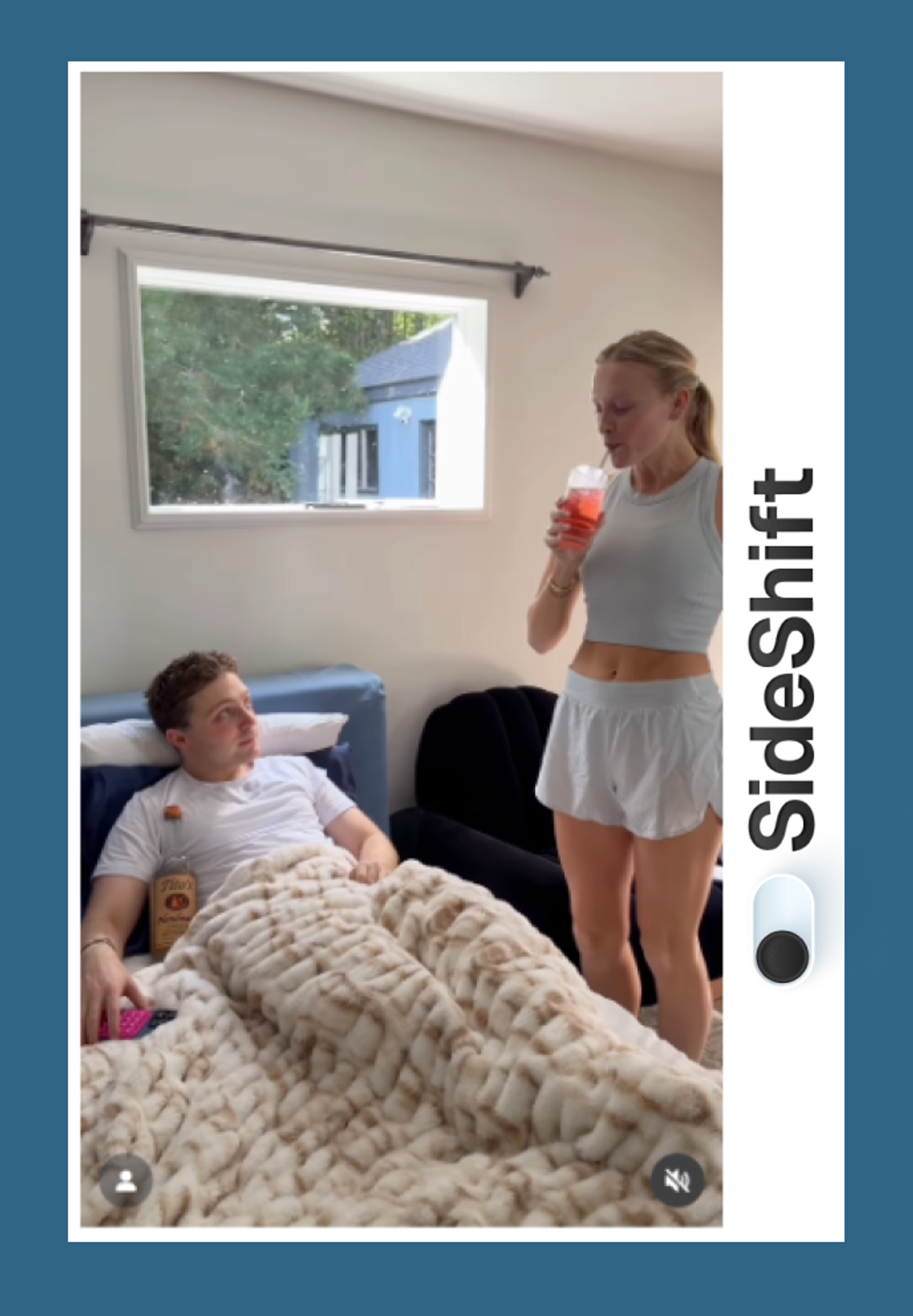
The campaign encouraged participation through a philanthropic initiative rather than a traditional hashtag challenge. Tito’s message, resonated with audiences while promoting a meaningful cause.
“We asked you to rot this Thanksgiving… and you truly did nothing. Beautifully done. Because of you, we’re donating $1,000,000 to Meals on Wheels America. Thanks for being part of the Tito’s Turkey Rot, and for your commitment to cocktails on the couch,”
Paige and Hannah, another iconic duo on social media with contrasting personalities helped amplify the message.
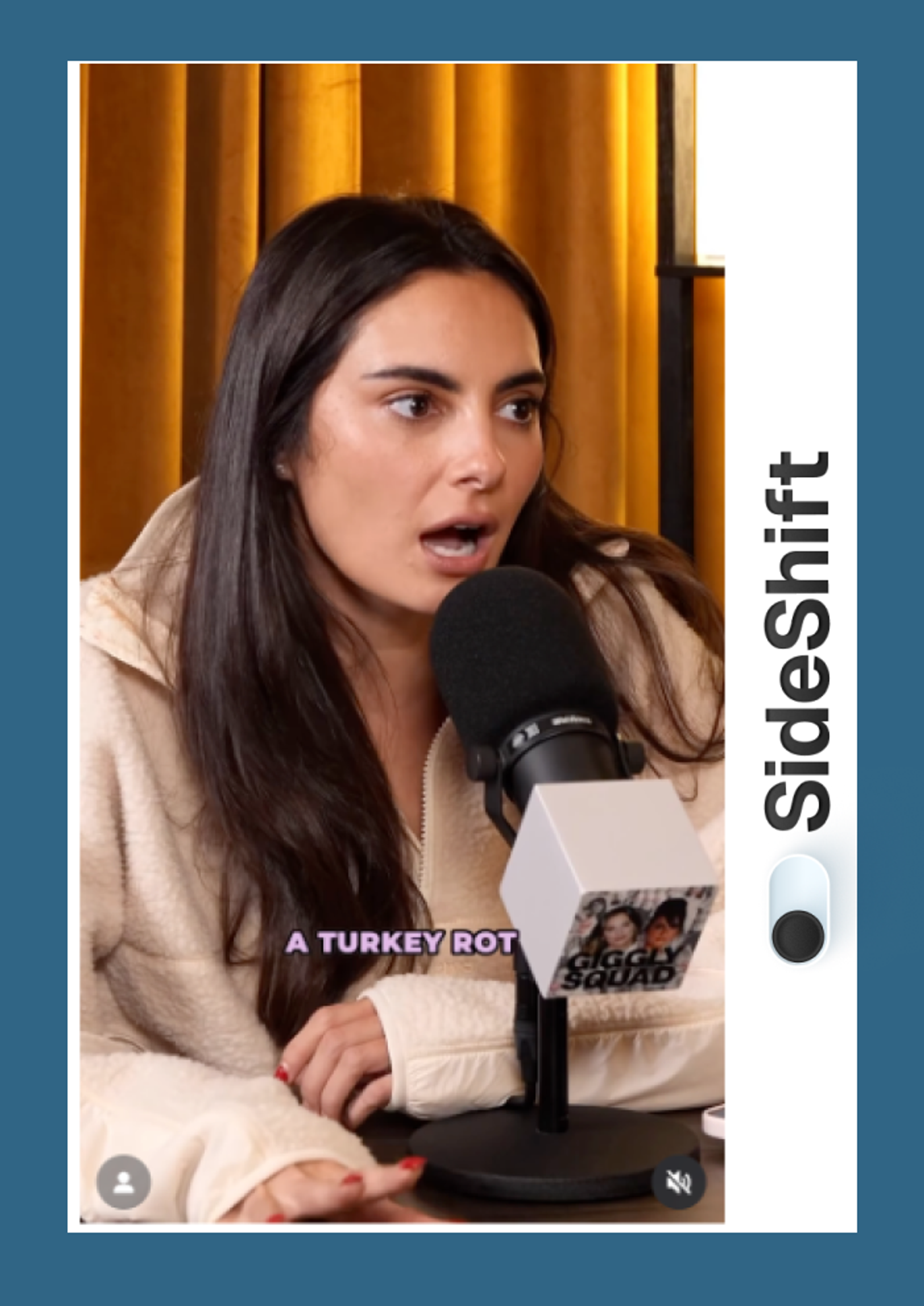
By taking social ownership of the phrase “Turkey Rot” - a playful contrast to the well-known “Turkey Trot” that many Americans participate in on Thanksgiving morning - and embedding it in authentic collaborative content, Tito’s was able to drive awareness, engagement, and meaningful action. This campaign demonstrates how collaborative content can extend a brand’s reach, build credibility through trusted voices, and support philanthropic goals, showing that influencer marketing is a great tool for conversion and can create measurable social impact while strengthening brand growth.
Want to put this into practice?
SideShift connects you with vetted UGC creators who actually deliver. Start your free trial and post your first job in under 10 minutes.
Events and Experiences
Events and experiences are a powerful way for brands to create memorable moments that generate both content and engagement. Tarte was one of the first brands to pioneer influencer experience trips, hosting highly produced and lavish events for creators #trippinwithtarte.
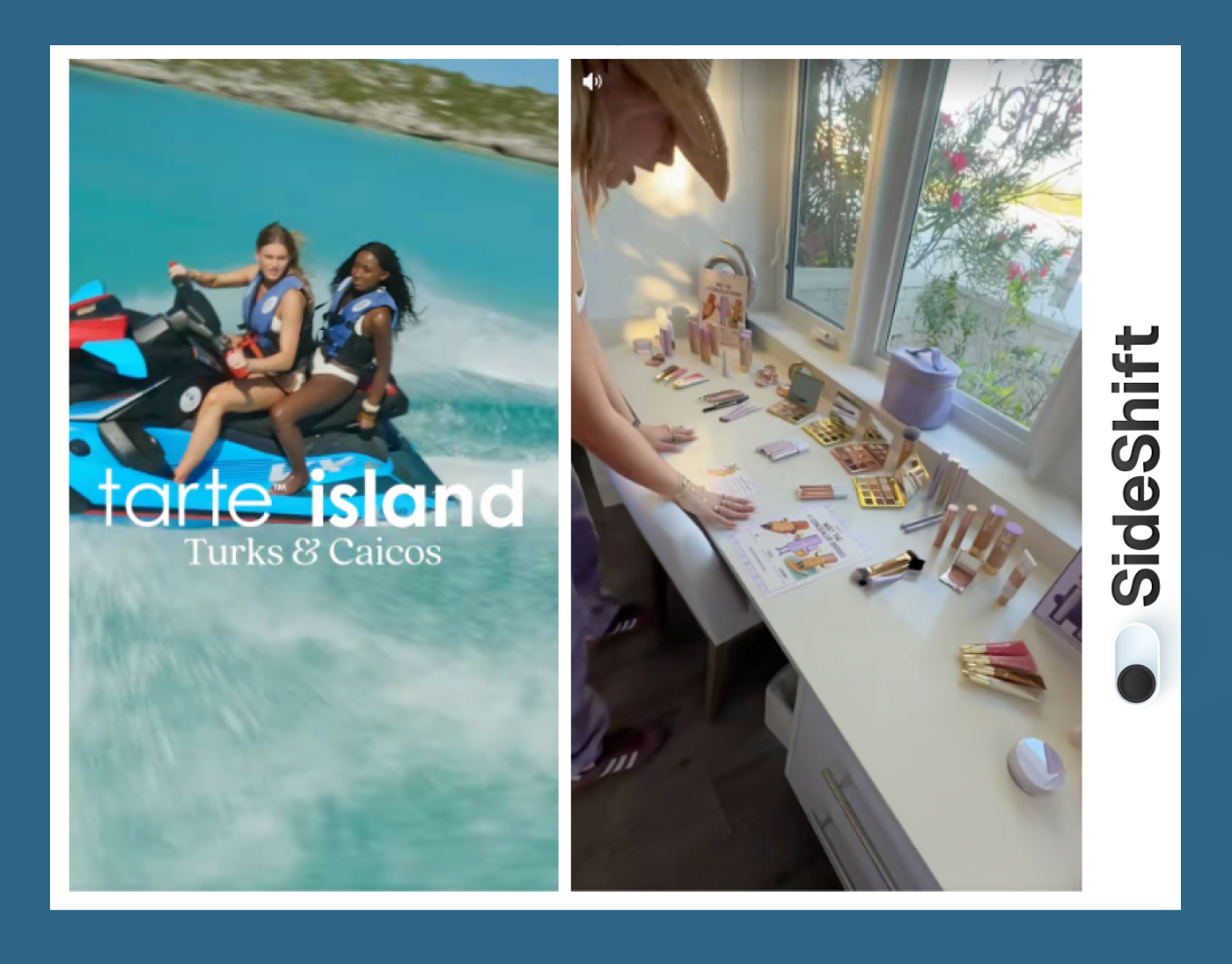
Their Dubai trip a few years ago even received some backlash for its luxury, with attendee Alex Earl noting in an episode of her podcast that “the reason this trip got a lot of backlash was it was an insanely luxurious trip.”
However, the backlash from the Tarte influencer trips has highlighted a key lesson when it comes to events and experiences as an influencer marketing tool: even smaller-scale events can create impact, and it would probably resonate better with consumers.
Many were in the comments expressing frustration with “I’m annoyed that when I pay for Tarte what I’m paying for is influencers to go on trips.”
Hosting aligned influencers and integrating the brand experience allows marketers to generate authentic content and engagement at any budget level.
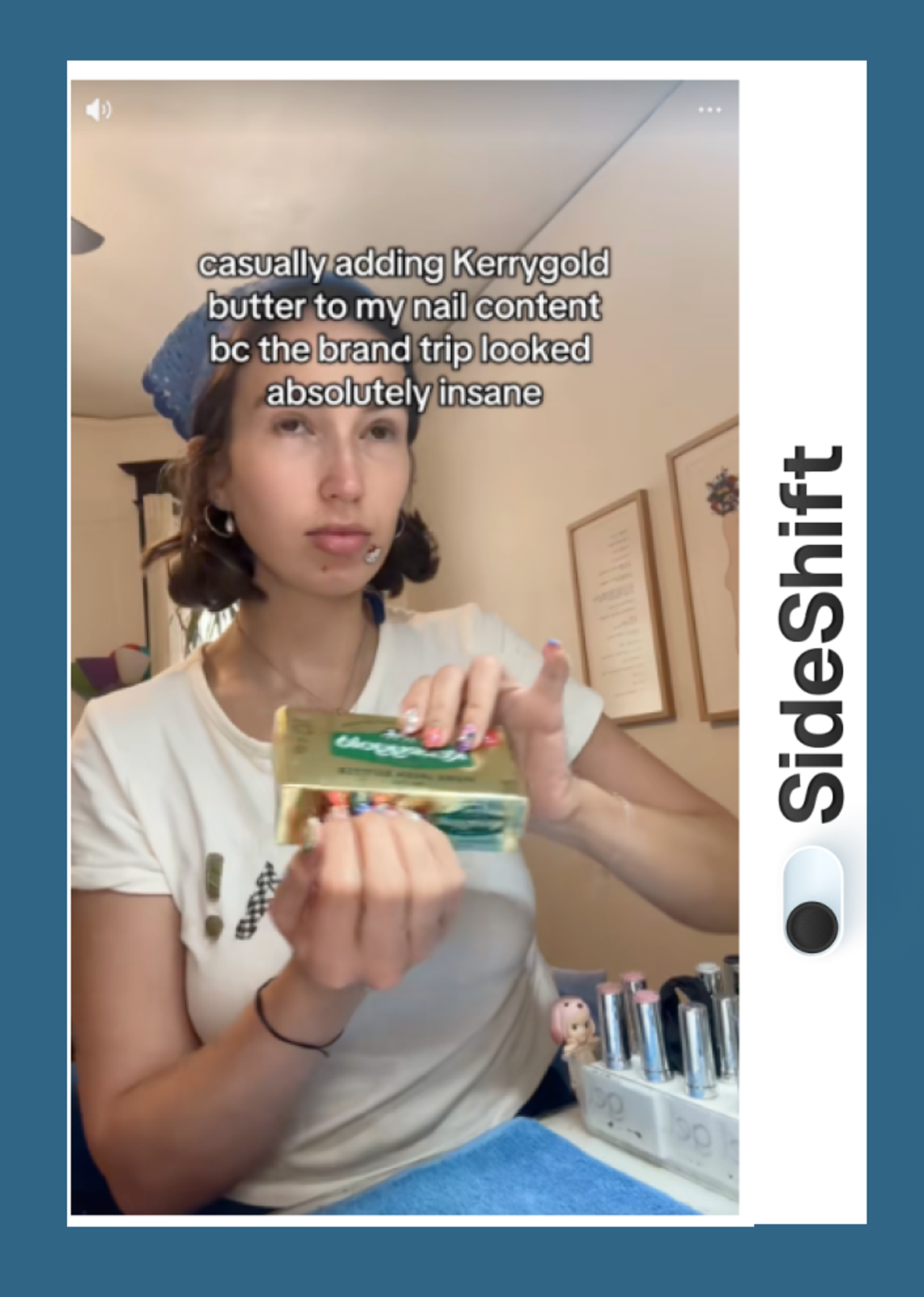
The Kerrygold Butter brand also demonstrated the potential of influencer trips, sending creators on a brand-focused journey that went viral despite being a product not typically associated with “glamorous” marketing.
Watch
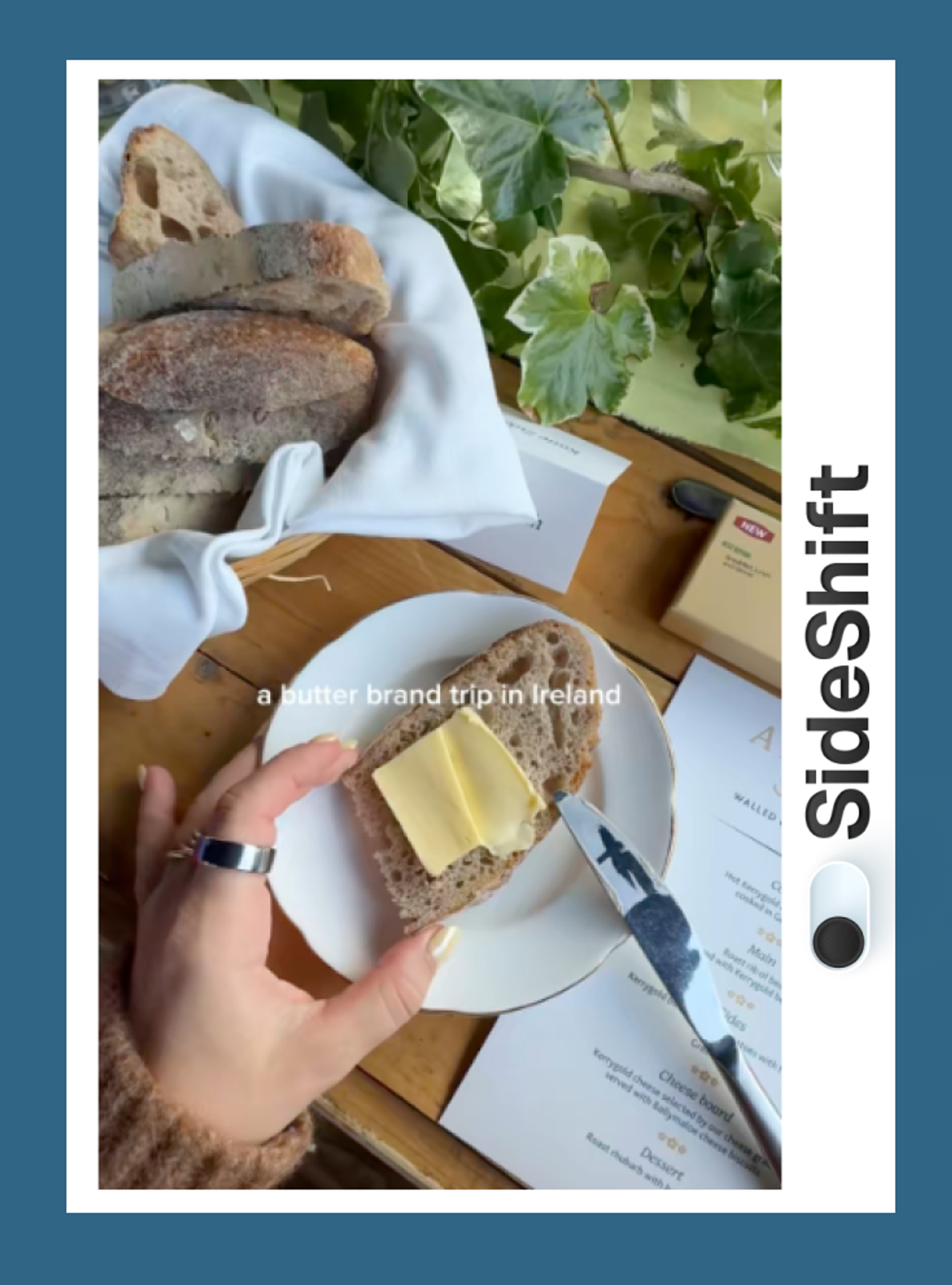
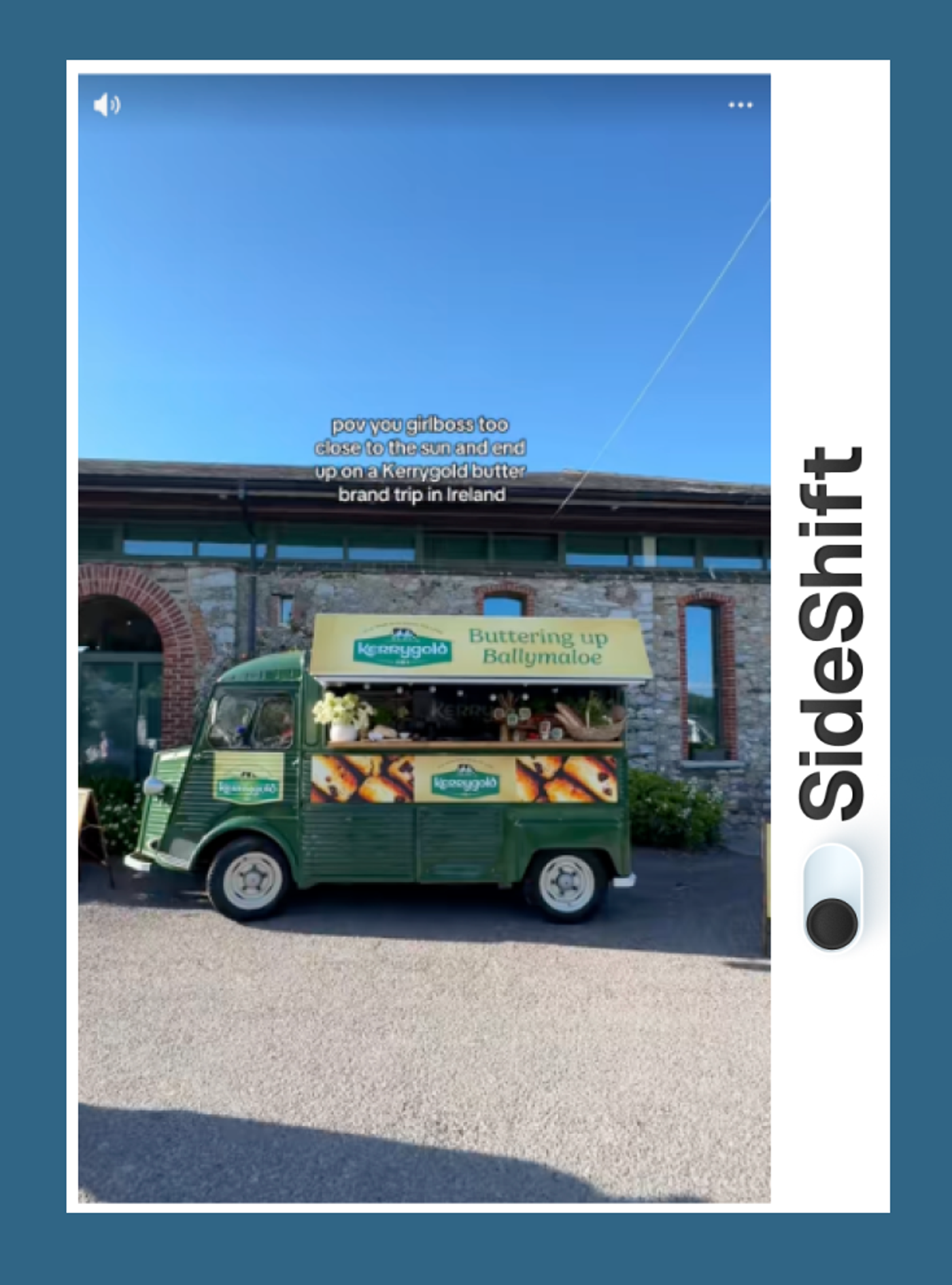
Videos from the event show how audiences were captivated, with many expressing envy and excitement over the opportunity to participate.
Watch
This example proves that well-executed influencer trips can generate buzz and extensive user-generated content, regardless of the product category.
Traditional event marketing also remains valuable. Sending influencers to movie premieres, red carpets, product launches, or store openings provides earned media exposure and positions the brand in front of relevant audiences.
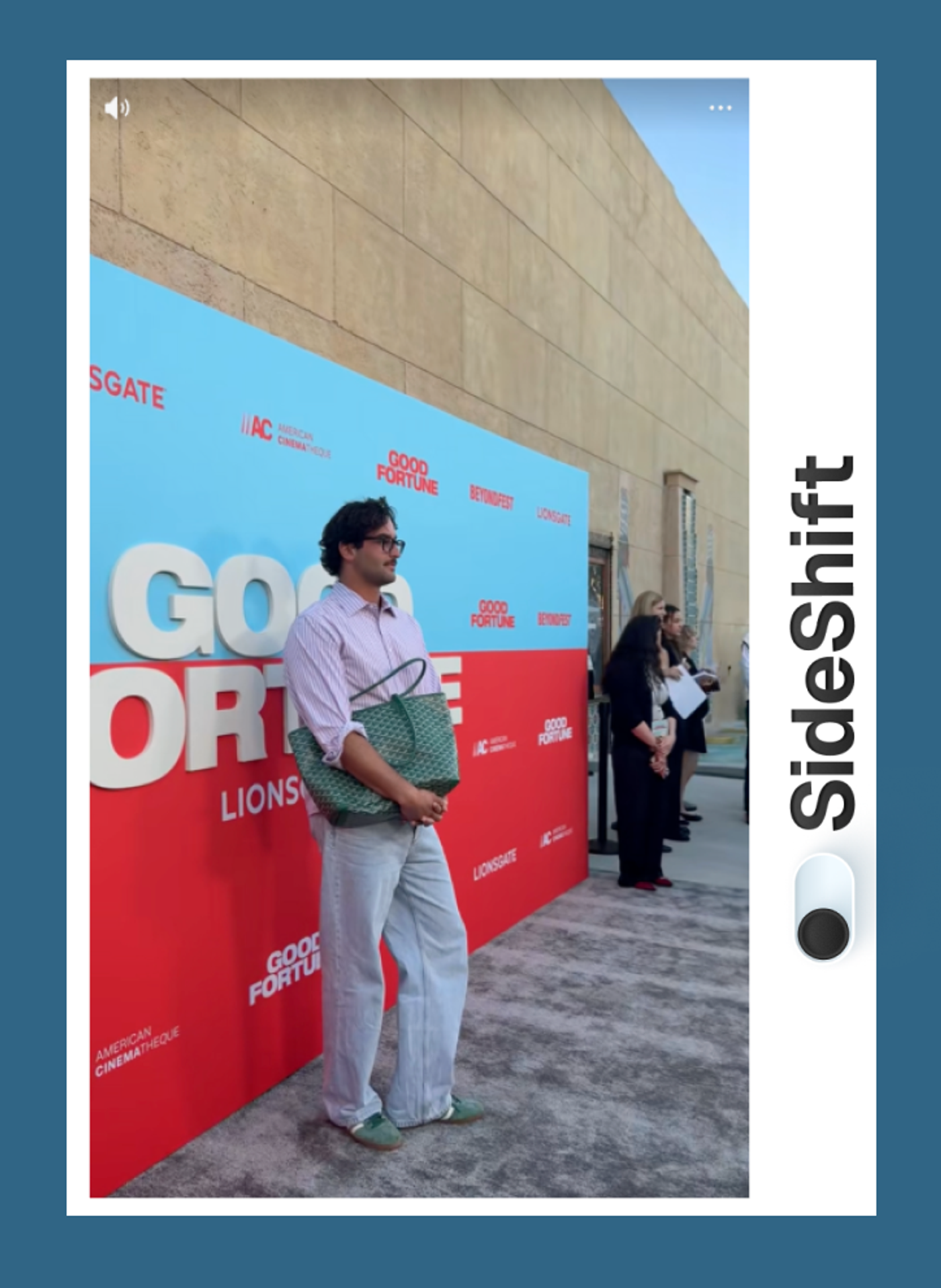
Whether through large-scale trips, intimate brand experiences, or high-profile launches, events are an effective influencer marketing tactic that combines visibility, engagement, and authentic storytelling.
Key Takeaways
Influencer marketing drives measurable growth when campaigns focus on audience alignment, authenticity, and creative execution. Successful campaigns leverage formats such as giveaways, affiliate codes, product reviews, unboxings, collaborative content, hashtag challenges, and experiential events. Reviews and unboxings build trust through authentic demonstrations, while giveaways and affiliate programs incentivize participation and conversions. Challenges and collaborative content extend reach across multiple audience segments, often introducing new consumers to the brand in an engaging, relatable way. Experiential events, from influencer trips to premieres and product launches, generate high-quality content, amplify brand messaging, and create long-lasting engagement. Across all formats, performance tracking is critical for optimizing campaigns and replicating success.
Platforms like Sideshift streamline influencer marketing campaigns by helping brands manage creator partnerships, collect and repurpose UGC, and track performance metrics all in one place. By centralizing content and analytics, Sideshift empowers marketers to execute ROI-driven campaigns more efficiently, maximize reach, and consistently drive sales and brand growth.
Connect with content creators on SideShift today.
FAQs
Which types of influencer campaigns drive the highest ROI?
Campaigns that combine authenticity with measurable outcomes generally drive the highest ROI. These include product reviews, unboxings, affiliate or discount code campaigns, and well-aligned collaborative content. Campaigns that incentivize action, such as giveaways or performance-based collaborations, also deliver strong results.
Want to put this into practice?
SideShift connects you with vetted UGC creators who actually deliver. Start your free trial and post your first job in under 10 minutes.
How can I replicate seasonal influencer marketing campaigns?
Plan ahead around holidays or seasonal trends, select influencers whose audiences align with your target market, and create content that feels timely and relevant. Integrating giveaways, limited-edition products, or seasonal challenges can amplify engagement and encourage conversions.
What metrics should I track to measure campaign success?
Key metrics include engagement rate, click-through rate (CTR), conversion rate, follower growth, user-generated content volume, and overall ROI. Tracking these metrics ensures you understand which strategies drive real business results.
How do collaborative influencer campaigns outperform single-influencer efforts?
Collaborative campaigns combine multiple influencers’ audiences, expanding reach and engagement. They introduce the brand to diverse audience segments while maintaining authenticity, and often create richer storytelling opportunities that feel relatable and trustworthy.
How can performance-based influencer campaigns maximize sales?
Performance-based campaigns, such as affiliate or discount code programs, tie influencer compensation to measurable results like clicks or purchases. This aligns incentives for both the influencer and the brand, encourages authentic promotion, and ensures that campaigns directly drive sales and ROI.