
A Guide to YouTube Content Creators for Brands
Learn who YouTube creators are, what they produce, and how brands can work with them for tutorials, reviews, and long-form product videos.
Table of Contents
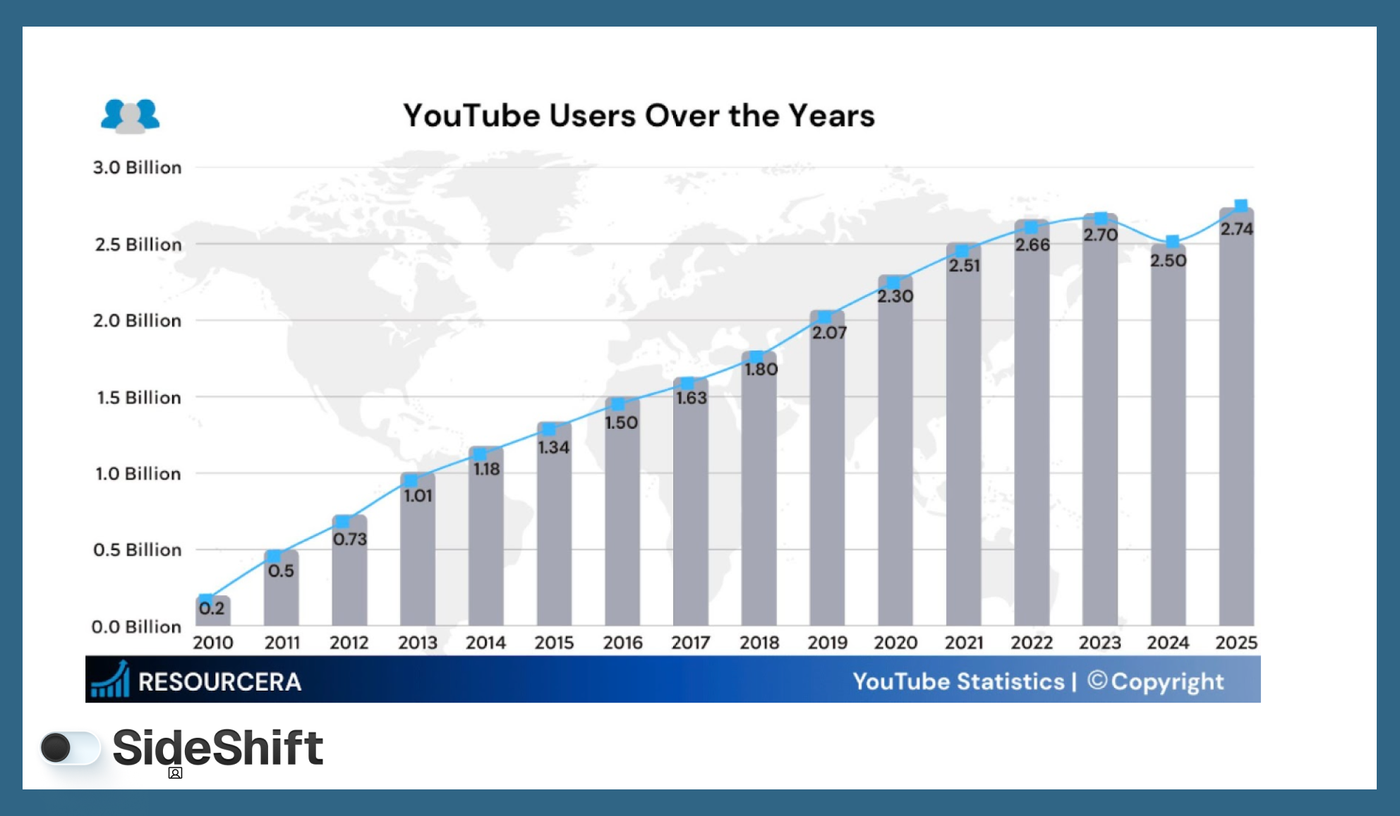
YouTube has become one of the main places people go when they want to learn about a product, understand how something works, or compare options before buying. YouTube’s audience keeps growing every year, with more than 2.7 billion users watching content across the platform.
For brands, this creates an opportunity to use YouTube content creators who can make clear, helpful videos without needing a big subscriber base. These creators focus on tutorials, demos, reviews, and walkthroughs that brands can publish on their own channels or turn into ads.
Let’s break down what a YouTube creator is, how to choose the right one for your product, and the tools that make the hiring process easier.
What is a YouTube content creator?
A YouTube content creator is someone who makes videos specifically for YouTube’s format — longer and more detailed than TikTok or Instagram.
YouTube creators in a UGC context aren’t influencers. They don’t need a big channel or an audience. Their job is to produce videos that a brand can upload on its own channel or use in ads. These might be tutorials, unboxings, walkthroughs, reviews, or educational pieces. Because viewers come to YouTube with a problem or a question in mind, this type of content often drives higher intent.
For businesses, YouTube creators help fill the gap between short, catchy social clips and the deeper explanations buyers expect before making a decision. Their strength comes from being understanding of what works on YouTube and editing videos that do well with people looking for answers on YouTube.
Where to find YouTube content creators
Once you know the type of video you want, the next step is finding creators who can deliver it. There are several reliable places to look, and each works for a different stage of your search.
SideShift
SideShift is one of the easiest ways to discover creators who already know how to film tutorials, reviews, and product walkthroughs. You can filter by niche, style, and experience level, then review sample videos directly in the platform.
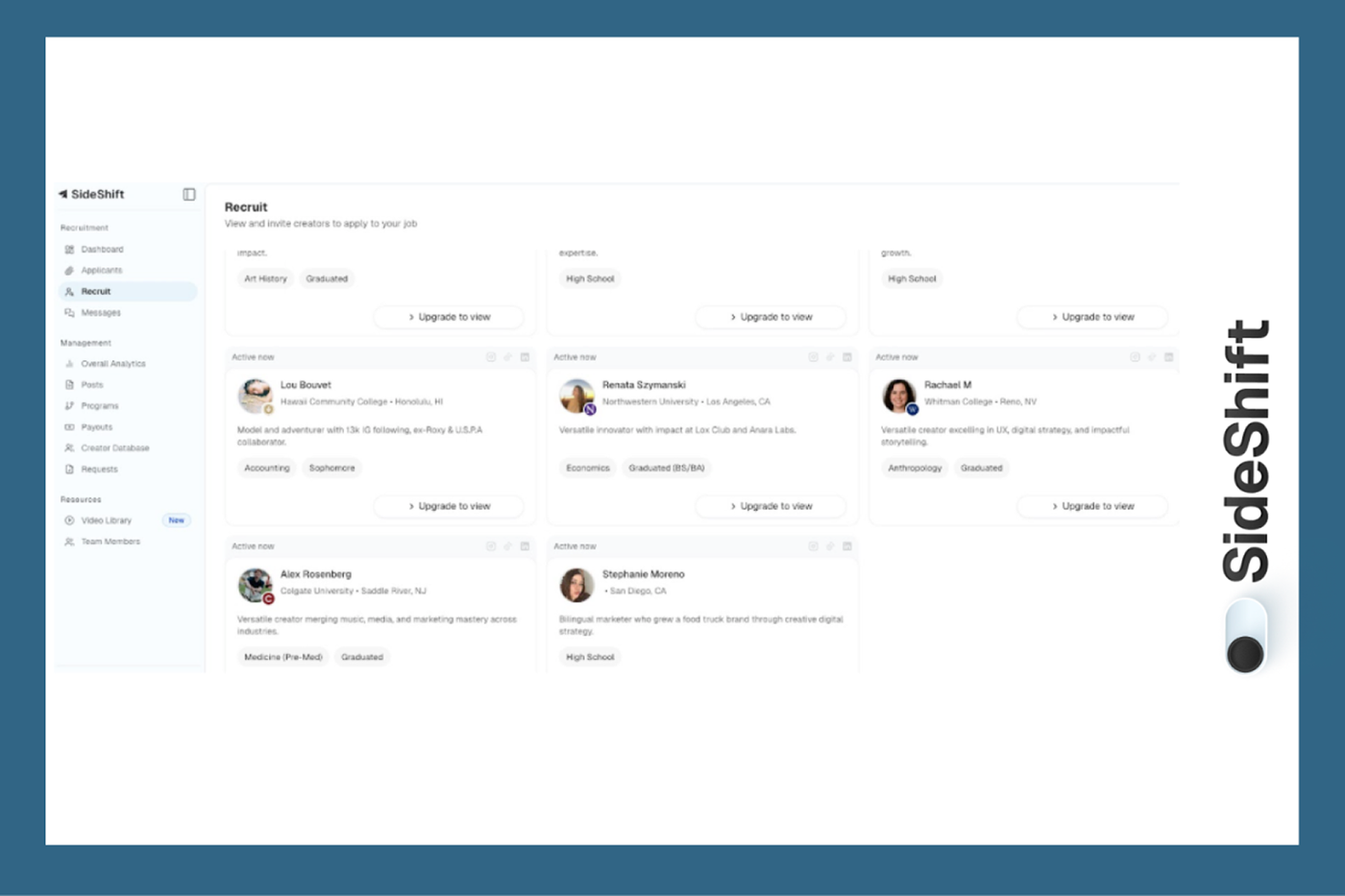
When you post a brief, applications come into a single dashboard, so you do not have to manage emails or DMs. It also handles contracts and payouts, which saves time once you begin working with multiple creators.
Freelance platforms
If you prefer to browse through a wider variety of creators, platforms like Fiverr and Upwork can help. These sites have many YouTube editors, presenters, and UGC creators offering packages for long-form and short-form videos.
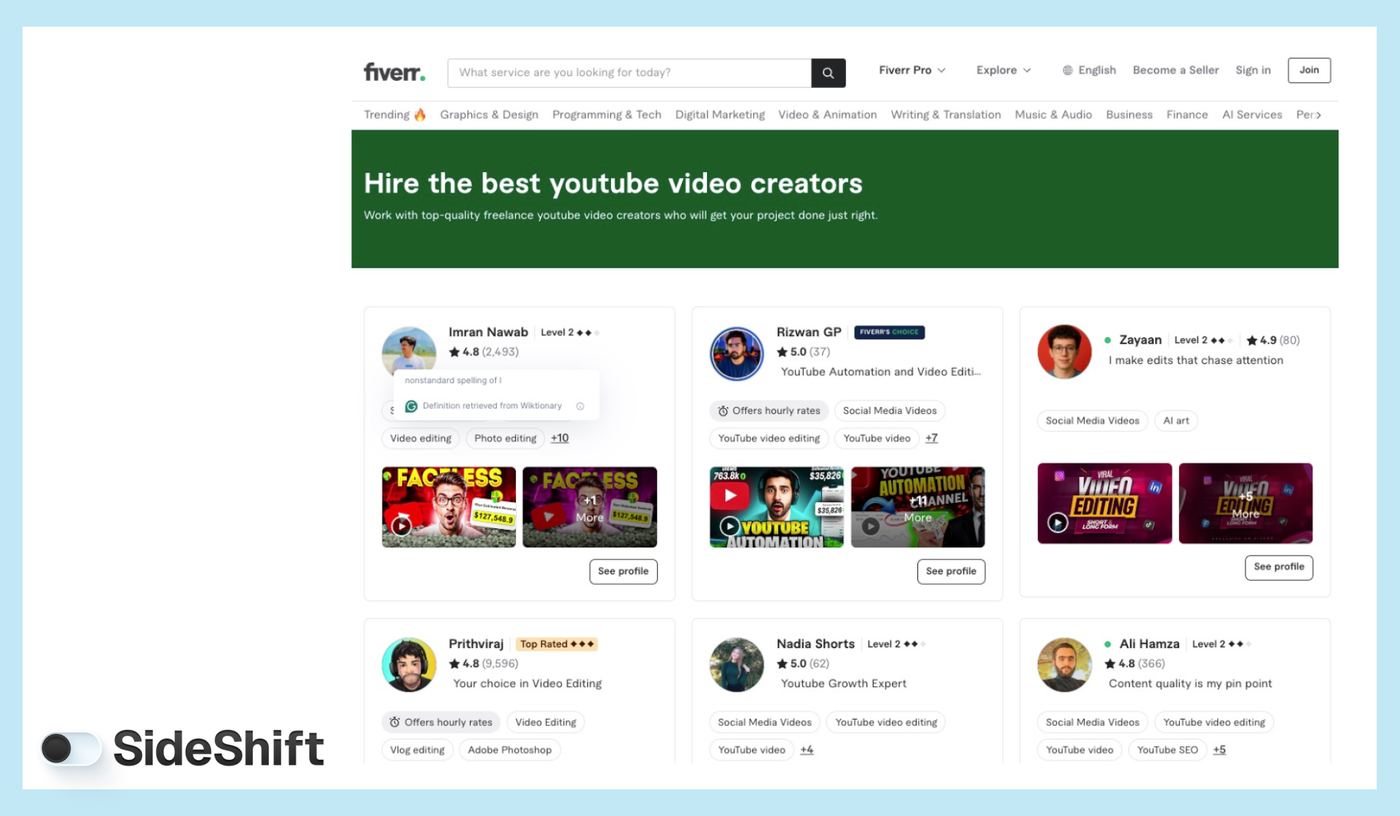
The quality can vary, so it is helpful to review portfolios carefully and ask for a short test clip when possible.
Direct search on YouTube
You can search within YouTube itself to find creators who film in your niche. Look at smaller channels that produce clear and helpful videos, even if they do not have a large following. Many of them are open to UGC work because it gives them more creative opportunities and additional income.
Creator communities
Facebook Groups, Reddit threads, and Discord communities have large pools of creators who take on paid projects. These communities work well when you want applicants who can start quickly, but you will need to screen them since the quality varies.
Want to put this into practice?
SideShift connects you with vetted UGC creators who actually deliver. Start your free trial and post your first job in under 10 minutes.
Social platforms with crossover creators
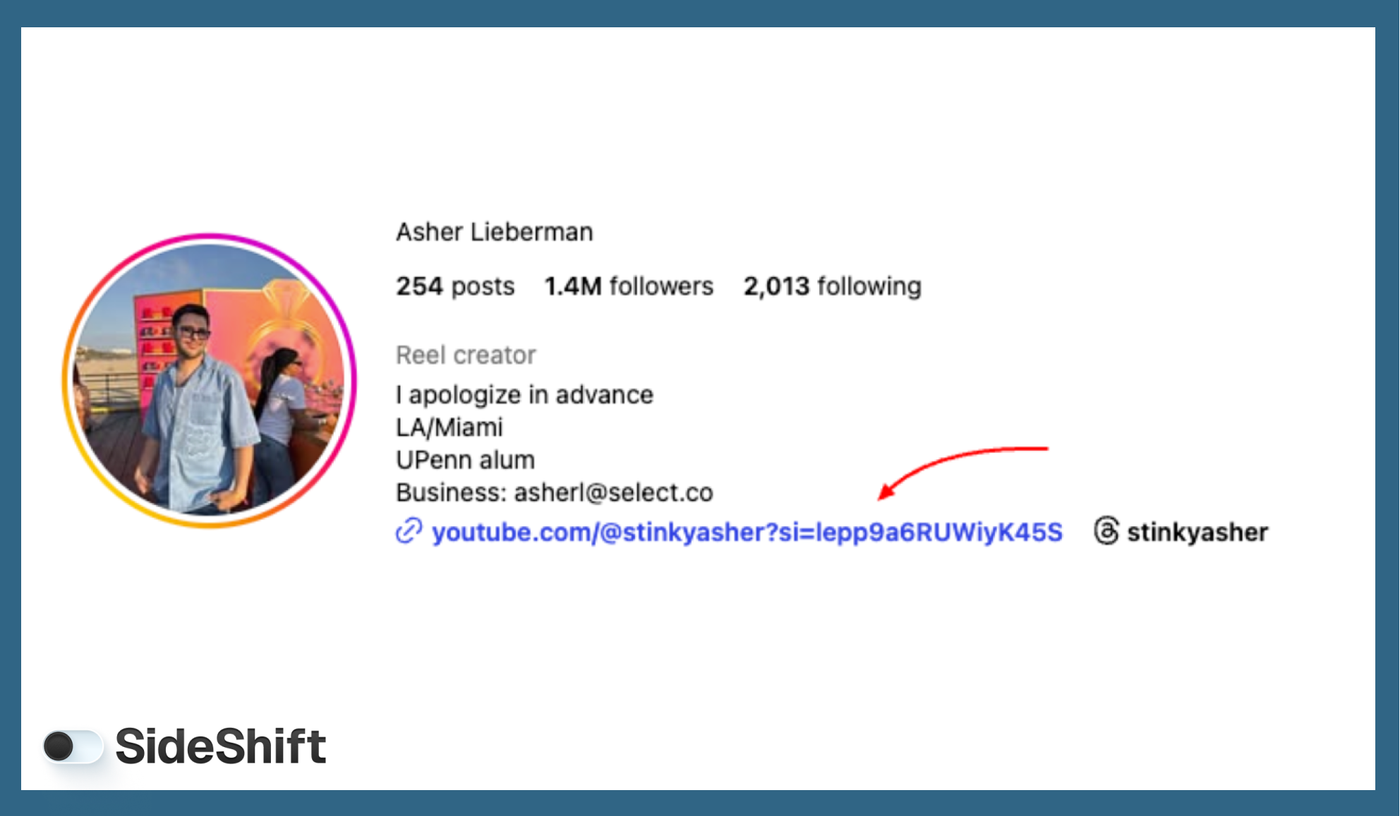
You will also find creators on Instagram who link directly to their YouTube channels. Some have large audiences, like the one in the example above with 1.4M followers, but the point is not the size. It is that many short-form creators already make longer videos on YouTube.
Using a mix of these sources helps you build a strong shortlist and find creators who match your niche, your tone, and the type of content you want to produce.
How to evaluate a YouTube creator’s portfolio
Once you start searching for YouTube creators, you’ll end up with a long list of options. Pricing and availability matter, but they should not be the only things you look at. A YouTube video takes more planning and clarity than short-form content, so the creator’s skill set is more important than their follower count or their rate.
Here are the things that actually help you judge whether a creator is a good fit:
Look at how they explain things
A strong YouTube creator can break down a topic in a simple, structured way. Watch how they introduce a subject, move through steps, and summarize the key takeaway. You want someone who makes information easy, not overwhelming.
Check their pacing
Long-form videos work best when they stay engaging. See if they cut out filler moments, keep the flow steady, and avoid dragging. A creator with good pacing will make your tutorial or review feel more professional.
Good pacing also makes long videos easier to repurpose into short clips, the same way clip farms break down longer footage into moments that work across social platforms.
Pay attention to camera presence
You do not need a polished “influencer personality,” but you do need someone who is natural and clear on camera. Look for steady delivery, comfort with speaking, and an approachable tone.
Review their visuals
Good lighting, clean audio, and clear product shots matter. If a creator already films with a simple but reliable setup, your video will require fewer edits and fewer reshoots.
See how they handle product-focused content
Even if they have not worked with your category before, check if they have made videos that show steps, comparisons, demos, or close-ups. This tells you how they will handle your brief.
Evaluating portfolios this way helps you choose creators who can deliver useful, watchable videos that feel right for your brand.
What to include in your YouTube creator brief
Once you select a creator, the brief is what determines how smoothly the project goes. A clear brief saves you from reshoots and makes it easier for the creator to deliver the exact type of video you need.
Start with a simple overview of the product and who the video is for. Creators work better when they understand the audience and the problem the product solves. You do not need long explanations, just enough context to avoid guesswork.
Want to put this into practice?
SideShift connects you with vetted UGC creators who actually deliver. Start your free trial and post your first job in under 10 minutes.
Include the essentials:
- The purpose of the video, such as tutorial, review, or comparison
- What viewers should learn or understand by the end
- Key points you want highlighted
- Must-have shots or angles
- Video length range and preferred style
- Tone you want the creator to maintain
- Any “avoid” list, such as claims or phrases you do not want used
- File format, resolution requirements, and editing expectations
- Timelines for draft, revisions, and final delivery
- Usage rights and where the video will live
Keep the brief practical, not overly scripted. YouTube creators work best when they have the structure they need, but still have room to explain things in their own voice. This leads to clearer, more natural videos that are easier for customers to follow.
How to pay your YouTube creators
Before you reach out to creators, it helps to be clear on how you want to structure payment.
Here are the options businesses use most often and how to decide between them.
Fixed payment
This is a single agreed amount for a video or a bundle of videos. It’s the easiest model to manage, especially when you have a defined scope like a tutorial, review, or comparison video.
Use this when you know exactly what you want created and prefer predictable costs.
Pay per deliverable
Some brands separate the rate by asset type: one price for a long YouTube video, another for a cutdown, another for raw B-roll. This helps when you want flexibility or when your plan includes multiple formats.
It’s also a good choice if you expect to test different versions of the same video.
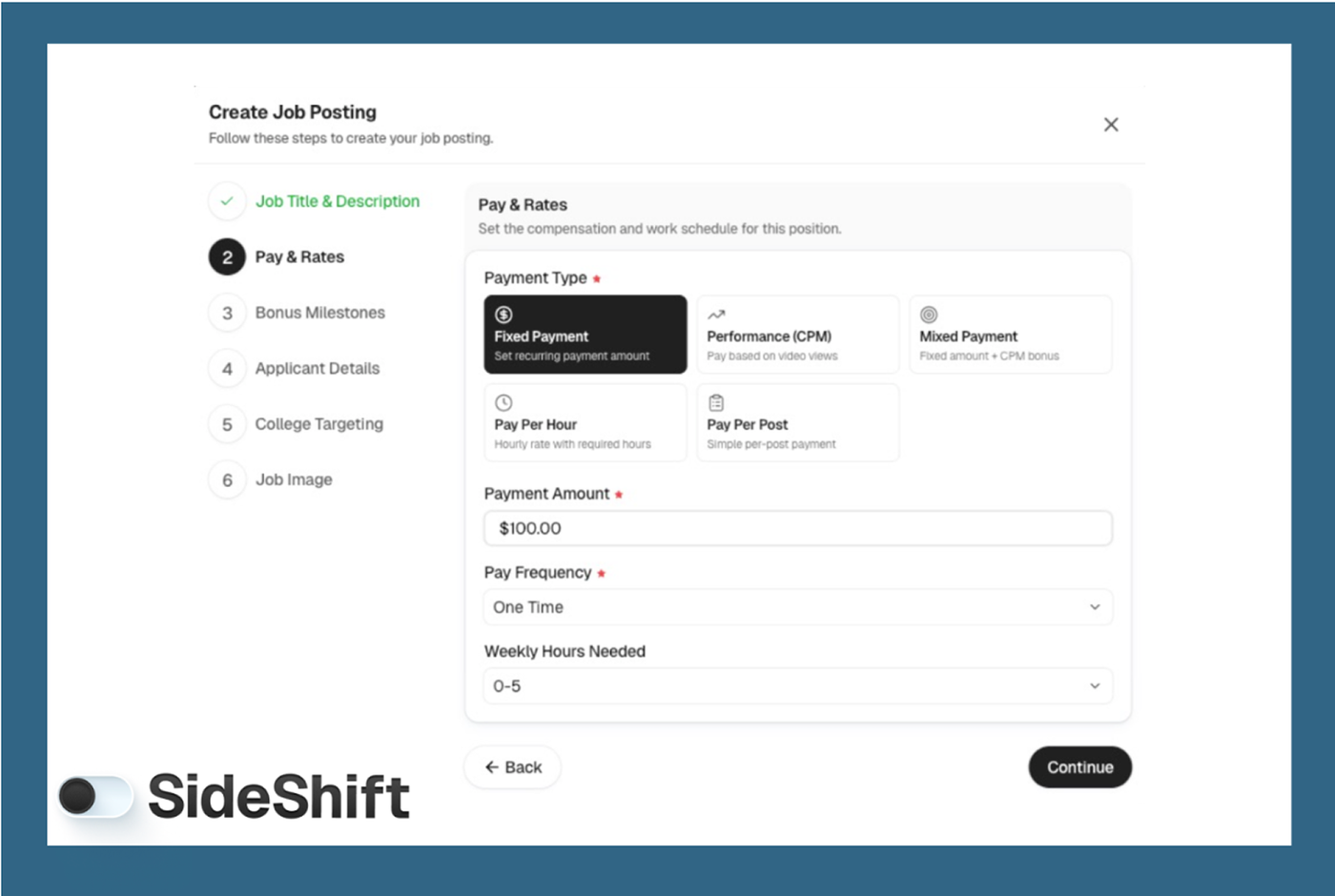
If you're using SideShift to collaborate with creators, these options are built into the requirement posting flow.
Performance-based payments
Less common for long-form videos, but some brands offer bonuses tied to metrics like view duration, conversions, or audience retention. Because performance is affected by factors outside the creator’s control, not everyone agrees to this model.
Consider it only if you already have strong analytics and a clear way to measure results.
Mixed model
A guaranteed base payment plus a small performance bonus. This keeps your upfront cost predictable while giving creators an extra reason to deliver strong content.
It works well for review-style or educational videos where good storytelling makes a noticeable difference.
Choosing the right structure depends on your content needs, your workflow, and how much flexibility you want as you scale.
A better way to manage YouTube creators
Once you work with more than a few creators, the real challenge shows up: keeping briefs organized, tracking submissions, handling contracts, and making sure payments go out on time.
That is where a structured system helps.
SideShift gives you one place to manage your entire creator workflow. Instead of juggling emails, DMs, spreadsheets, and invoices, you can run the whole process inside a single platform.
SideShift supports you with:
- Creator discovery across 500,000-plus vetted profiles
- Simple brief sharing and organized applications
Want to put this into practice?
SideShift connects you with vetted UGC creators who actually deliver. Start your free trial and post your first job in under 10 minutes.
- Sample videos and performance data in one dashboard
- Built-in contracts and usage rights
- Automated payouts without manual tracking
- Real-time performance monitoring
Join SideShift and make YouTube a steady content channel rather than a one-off project.