


Content Creator: Definition and How to Leverage Them for Your Brand
A clear guide to understanding what content creators do, the types of creators brands can work with, and how to hire the right ones for your goals.
Table of Contents
Every day, millions of new videos hit TikTok, Instagram, YouTube, and every other platform your customers scroll through. Attention is tight, feeds move fast, and the brands that win are the ones that show up with fresh, useful, believable content — not once a month, but constantly.
The problem is that most teams can’t produce content at that pace. Building an in-house studio is expensive. Hiring a full-time crew isn’t always justified. And expecting your marketing team to film, edit, script, and appear on camera on top of everything else rarely works in reality.
This is exactly where UGC content creators come in.
In this guide, we’ll break down who these creators are, the types of content they make, and how brands can hire them to keep their content pipeline running without burning out internal teams.
What is a Content Creator (UGC Style)?
A content creator or a UGC content creator is someone who makes videos, photos, and product demos for brands to use on their own channels. They don’t rely on having followers, and they don’t post the content on their personal pages.
Their skill is producing content that looks natural, relatable, and useful — the kind of videos people watch on TikTok, Instagram Reels, or product pages when deciding what to buy.
These creators act more like freelance producers than influencers. Brands hire them for their ability to film clear tutorials, explain products in simple language, show real use cases, and make content that feels authentic instead of overly polished.
How Content Creators Differ From Influencers
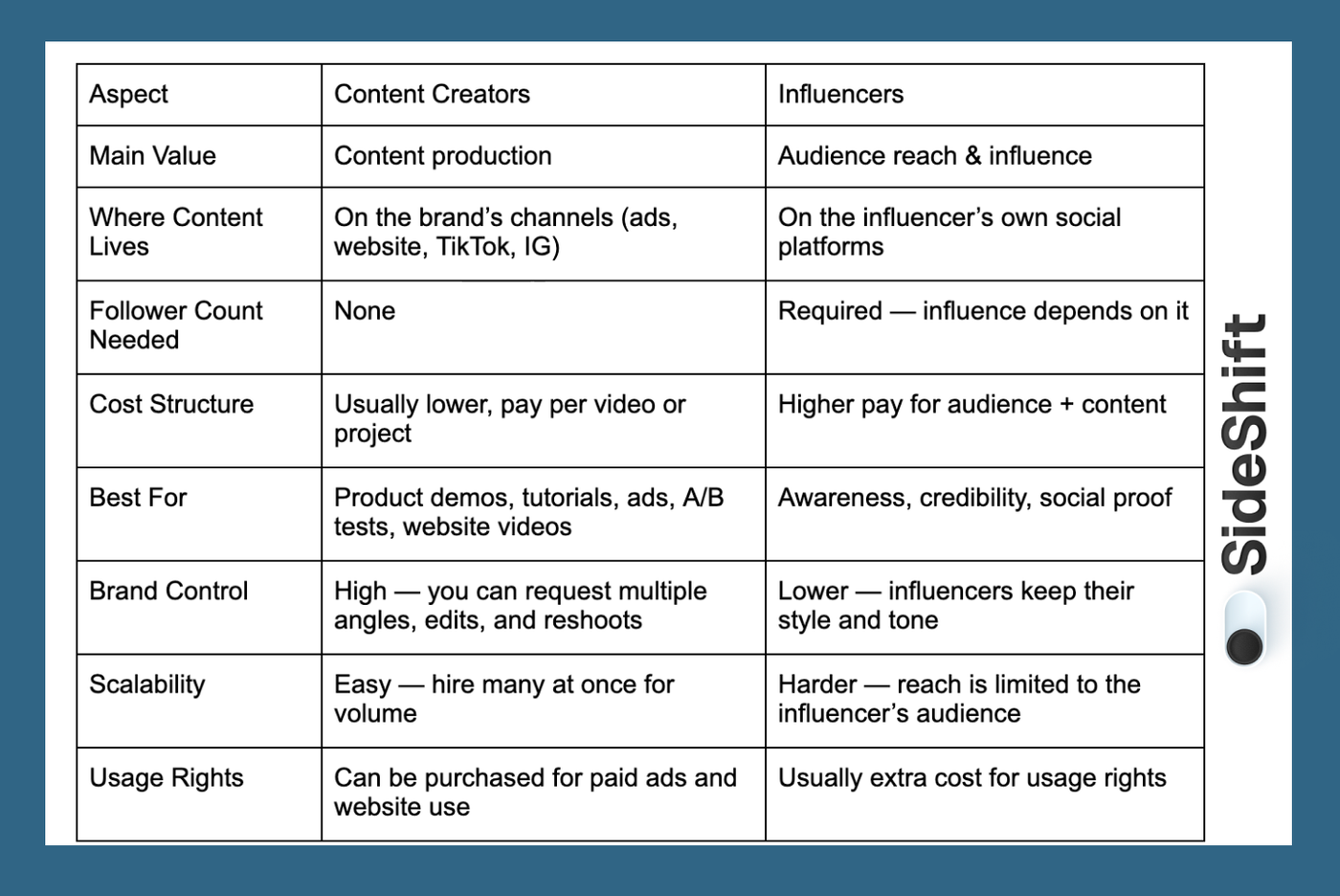
Creators and influencers often get grouped together, but they play very different roles. Influencers are valuable when you want reach, visibility, and access to their audience. UGC creators are valuable when you need content such as product demos, tutorials, ads, and “this is how it works” videos.
→ Influencers are built on distribution.
→ Creators are built on production.
Brands typically use both, but for very different needs.
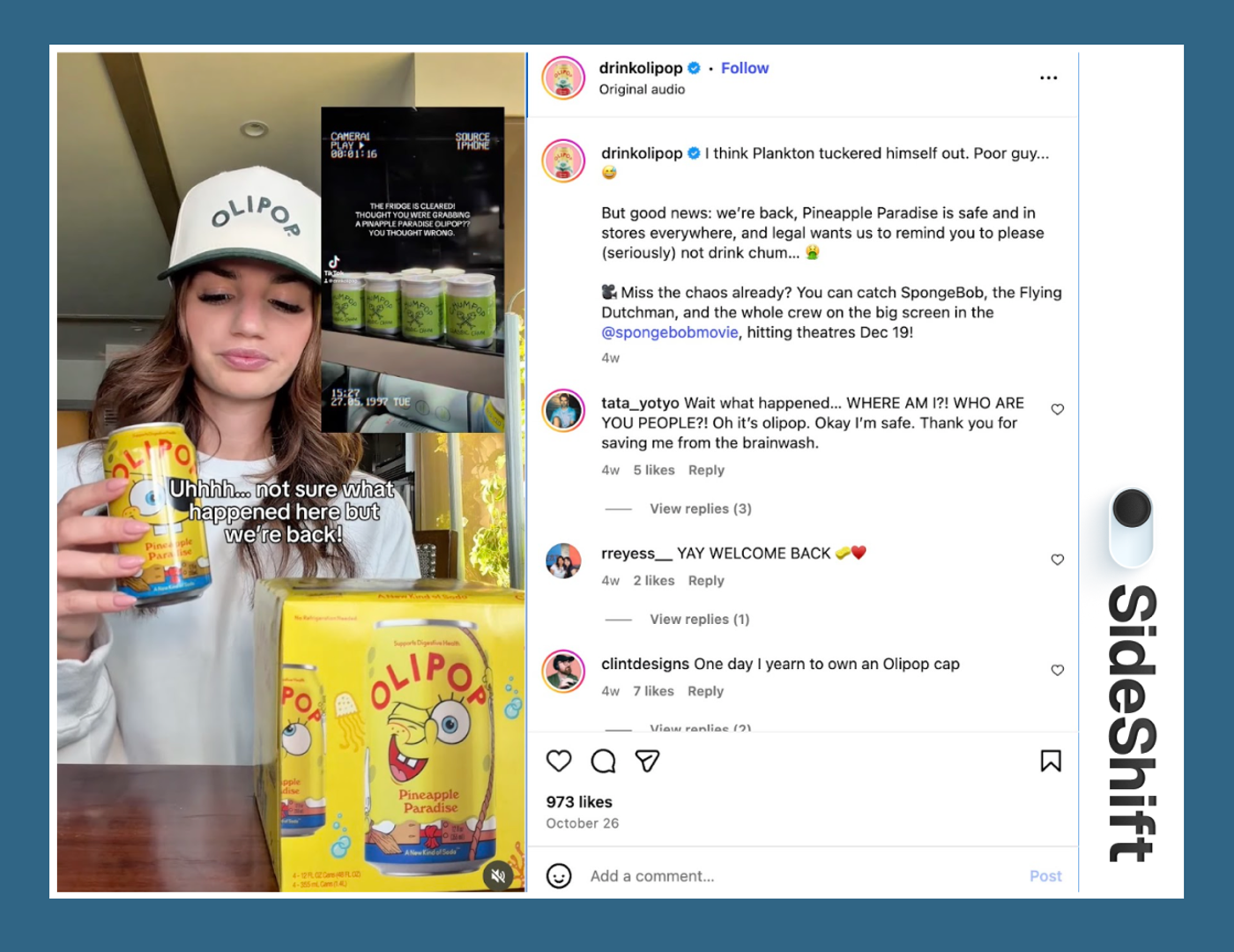
Here's an example of a post created by a creator for a beverage brand 👇
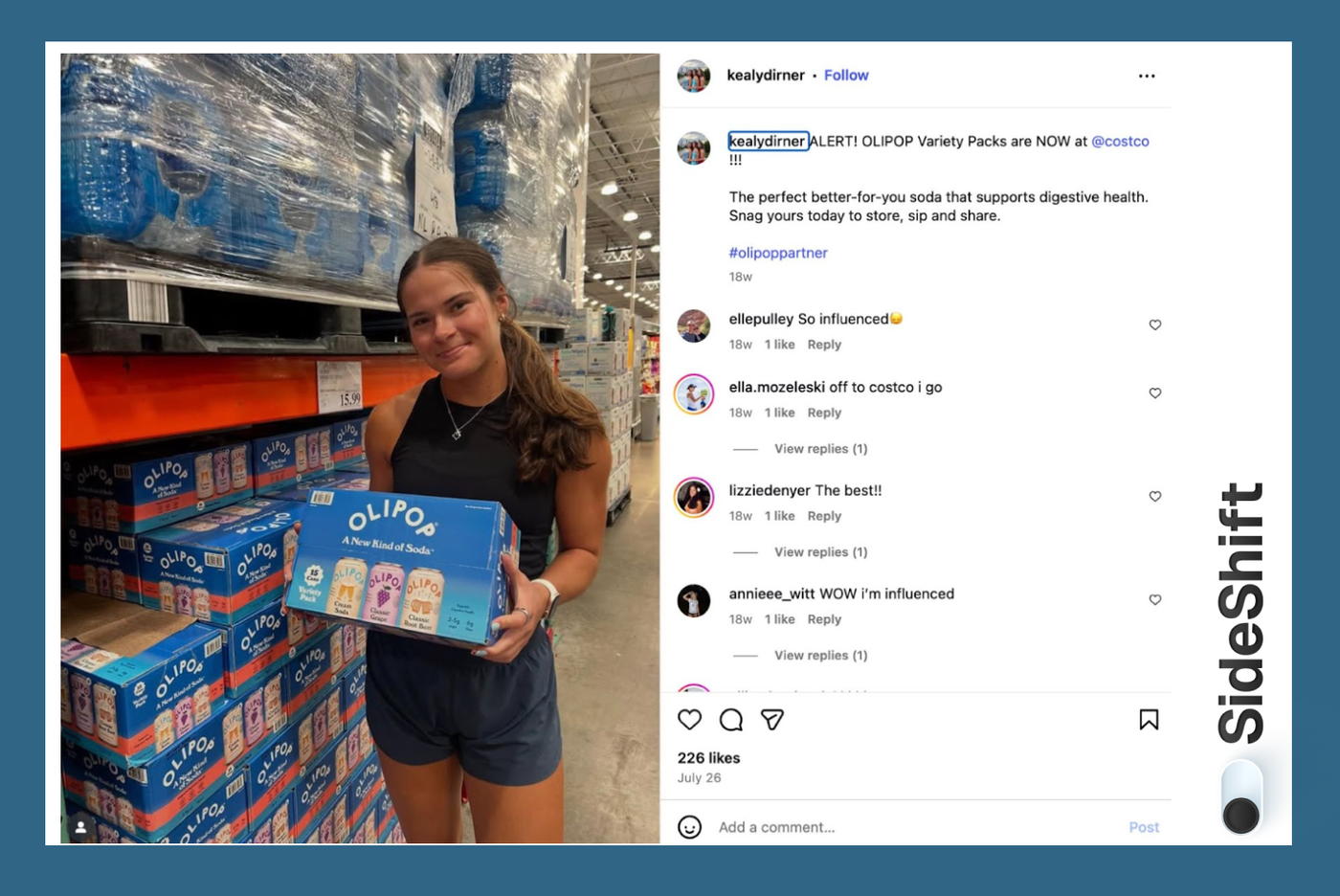
And this is an example of a post created by an influencer for the same brand 👇
Content Creators vs Influencers
How to Work With Content Creators
Most brands struggle not because creators are hard to find, but because the workflow is unclear. If you get your steps in order, creator partnerships become predictable, repeatable, and scalable.
Below are five steps that help you work with content creators in a smooth and organized way.
Step 1: Decide what type of content you need
Before reaching out to any creator, you need clarity on the kind of content you want. Creators work best when they know the direction and purpose of the content they are producing. Start by identifying where the content will be used. For example, will it appear on your website, on your TikTok account, in ads, in emails, or on your product pages?
Then identify the content format. You may need a product demonstration, a tutorial, a simple voiceover with visuals, a comparison video, an unboxing, or a lifestyle clip showing how the product fits into someone’s day. When you define this clearly, creators understand exactly what you expect. This reduces the number of revisions and helps you get consistent results.
Want to put this into practice?
SideShift connects you with vetted UGC creators who actually deliver. Start your free trial and post your first job in under 10 minutes.
Step 2: Shortlist the right creators
Once you know what you want, start looking for creators who already produce content similar to what you need. You are not looking for follower count. You are looking for creators who are comfortable on camera, who communicate clearly, and who understand how to explain or demonstrate a product in a way people pay attention to.
Watch their existing work carefully. Notice how they speak, how they frame the product, how they handle lighting, how they edit, and whether their videos feel natural. Look for creators who match the tone you want for your brand. If you want calm instructional videos, choose creators who already film that style. If you want fast-paced short clips, look for creators who work in that rhythm.
If you want an easier way to shortlist creators, you can use SideShift. You simply create your gig, set how you want to pay, and review applicants who already match the style or format you need. This saves time and gives you a clear pool of creators who can deliver the type of content you are looking for.
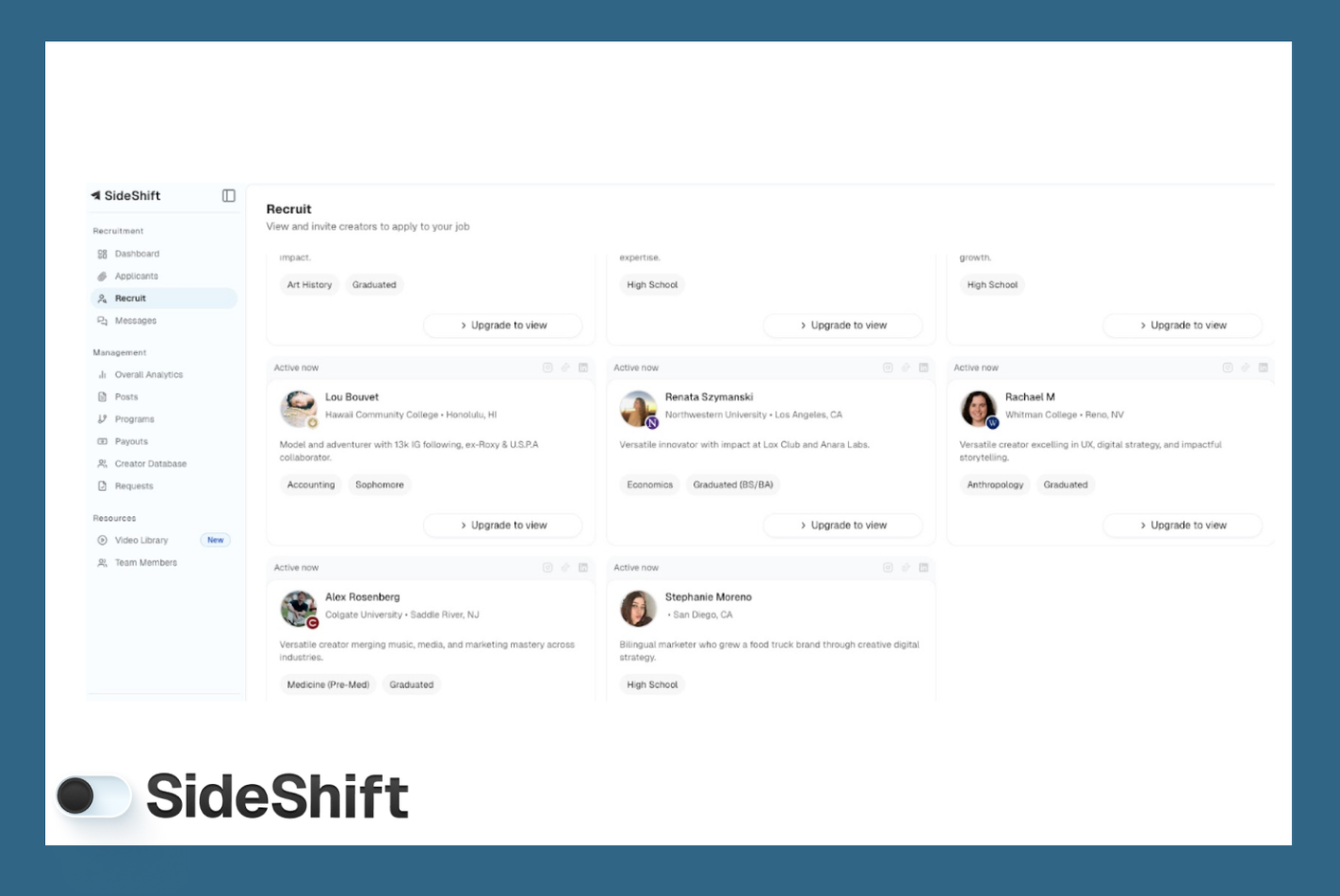
Shortlisting creators this way makes the content feel consistent and avoids long explanations later.
Step 3: Reach out with a simple opening message
The first message you send to a creator should not be a long pitch or a complicated brief. The purpose of the first message is only to confirm interest. A simple approach works well.
You can say something like:“Hi, I think your content style fits the product we are working on. Would you be open to a collaboration?”
This keeps the conversation lightweight and easy for the creator to respond to. Once they show interest, you can share the details. Talk about the type of video you want, the number of deliverables, the timelines, and the usage rights. They will share their rates or ask for your budget. At this stage, you can negotiate a fair agreement. In many cases, creators who perform well can be offered additional incentives such as performance bonuses or commission on sales.
Step 4: Share a clear brief and keep communication simple
A brief does not need to be long. It needs to be clear. A good brief explains the product, the angle you want, the key points that must be mentioned, the content format, and any requirements such as duration or orientation. Avoid scripting word-for-word. The goal is to give direction while allowing them to work in a style that feels natural to them.
During production, keep communication simple. Respond quickly, send reference videos if they need inspiration, and confirm details in writing so there is no confusion. When creators feel supported and respected, they produce better content and enjoy working with your brand.
Want to put this into practice?
SideShift connects you with vetted UGC creators who actually deliver. Start your free trial and post your first job in under 10 minutes.
Step 5: Review, refine, and build a long-term roster
Once a creator delivers the content, review it with clear criteria. Ask yourself if the content is easy to understand, visually clear, and aligned with your brand. If small adjustments are needed, request them politely and be specific.
More important than revisions is identifying which creators are worth working with again. If someone produces great content consistently, add them to your roster. Over time, this becomes your reliable group of creators who already know your product and your style. This reduces onboarding time and speeds up content production. You can also look for more creators who have a similar style or strength to expand the roster steadily.
Working with content creators becomes significantly easier when you treat it like a repeatable system. Clear direction, respectful communication, and consistent follow-up naturally lead to better results and stronger long-term partnerships.
A Practical Tool for Finding and Managing Content Creators
If you want to start working with content creators, the hardest part is usually finding reliable people, managing communication, and keeping track of everything as you scale. This is where SideShift helps in a very practical way.
SideShift gives you access to 500,000+ vetted creators and lets you post briefs that reach thousands of applicants instantly. More than 1,000 brands already use it to hire creators for product demos, tutorials, lifestyle clips, and ad-ready content. It handles the time-consuming parts:
- creator sourcing
- contracts
- revisions
- payouts
- performance tracking
With 5B+ views generated in the last 90 days and $100M+ paid out to creators, SideShift has become a reliable way for fast-moving brands to build a steady content pipeline without adding headcount or hiring agencies. Try SideShift and experience the workflow for yourself→
FAQ
1.How is a content creator different from an influencer?
Influencers primarily build influence through their audience reach and personal brand. Content creators focus on producing high-quality, engaging content, regardless of follower count. Many creators are both, but a creator doesn’t need a large audience to be highly impactful.
2. Do content creators need professional equipment?
Not necessarily. Many top-performing creators shoot with smartphones and basic tools. What matters most is creativity, storytelling, and consistency. High production value can help, but authenticity typically drives better performance.
3. What types of content do creators produce?
Creators make everything from short-form social videos and UGC ads to long-form tutorials, livestreams, product reviews, blogs, and more. Their versatility allows brands to repurpose content across multiple platforms and campaigns.
4. Why are content creators important for brands?
Creators deliver relatable, real-world content that audiences trust. Their work helps brands scale content production, test new angles quickly, and connect with consumers in a more personal, authentic way than traditional advertising.