


Wellness Influencer Marketing in 2026: Strategy, Compliance & Examples
Wellness influencer marketing balances trust, science, and FTC scrutiny. See how supplement, fitness, and mental-health brands work with creators in 2026.
Table of Contents
Selling wellness is about more than simply selling a product: You're selling a lifestyle. Whether it's a skincare routine, a magnesium supplement, or a protein powder, people who buy wellness products are often aiming to become a different, better version of themselves.
That's why quick traditional ads featuring actors or celebrities don't always capture consumers' attention. They show the product, but don't always give people a sense of how it fits into real life or everyday routines. The best alternative? Wellness influencers.
Wellness influencer marketing shows the process and how the product is actually used. In a single video, an influencer can show their morning supplements, their nutritious breakfast, and how they prepare a protein shake for a post-workout recharge.
For wellness brands looking to increase online awareness and sales, this niche of influencer marketing is worth exploring through campaigns and partnerships. This guide covers what wellness influencer accounts look like, what they cost, the compliance rules that shape what creators can say, and how to build a strategy that holds up to scrutiny while still converting.
What Do Wellness Influencer Accounts Look Like?
Wellness is a broad category, and it spans several distinct content styles: supplement and nutrition creators, fitness and movement coaches, sleep and recovery accounts, and mental-health creators who post about therapy, journaling, or stress management. Many accounts blend more than one of these.
- Nano influencers (1,000–10,000 followers): often built around a personal transformation or routine, such as a creator documenting their own recovery from burnout or a specific training block. Engagement tends to run high because the audience is small and closely following the creator's actual results, which makes this tier well suited to UGC content and testimonial-driven campaigns.
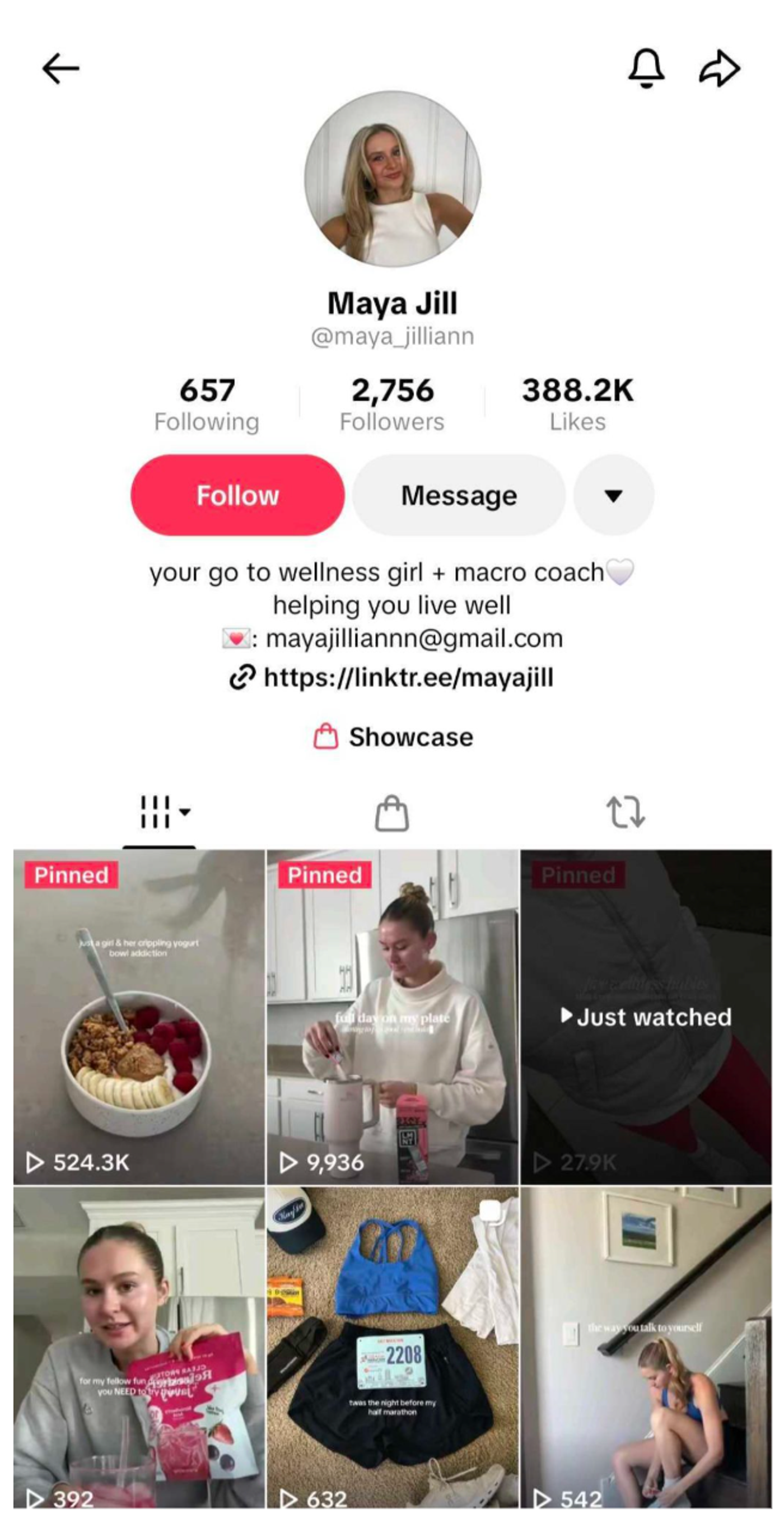
- Micro influencers (10,000–100,000 followers): these accounts usually post consistently around a specific niche, such as gut health, strength training for women over 40, or non-toxic living, and their audience trusts them because the niche is narrow and the content is specific.
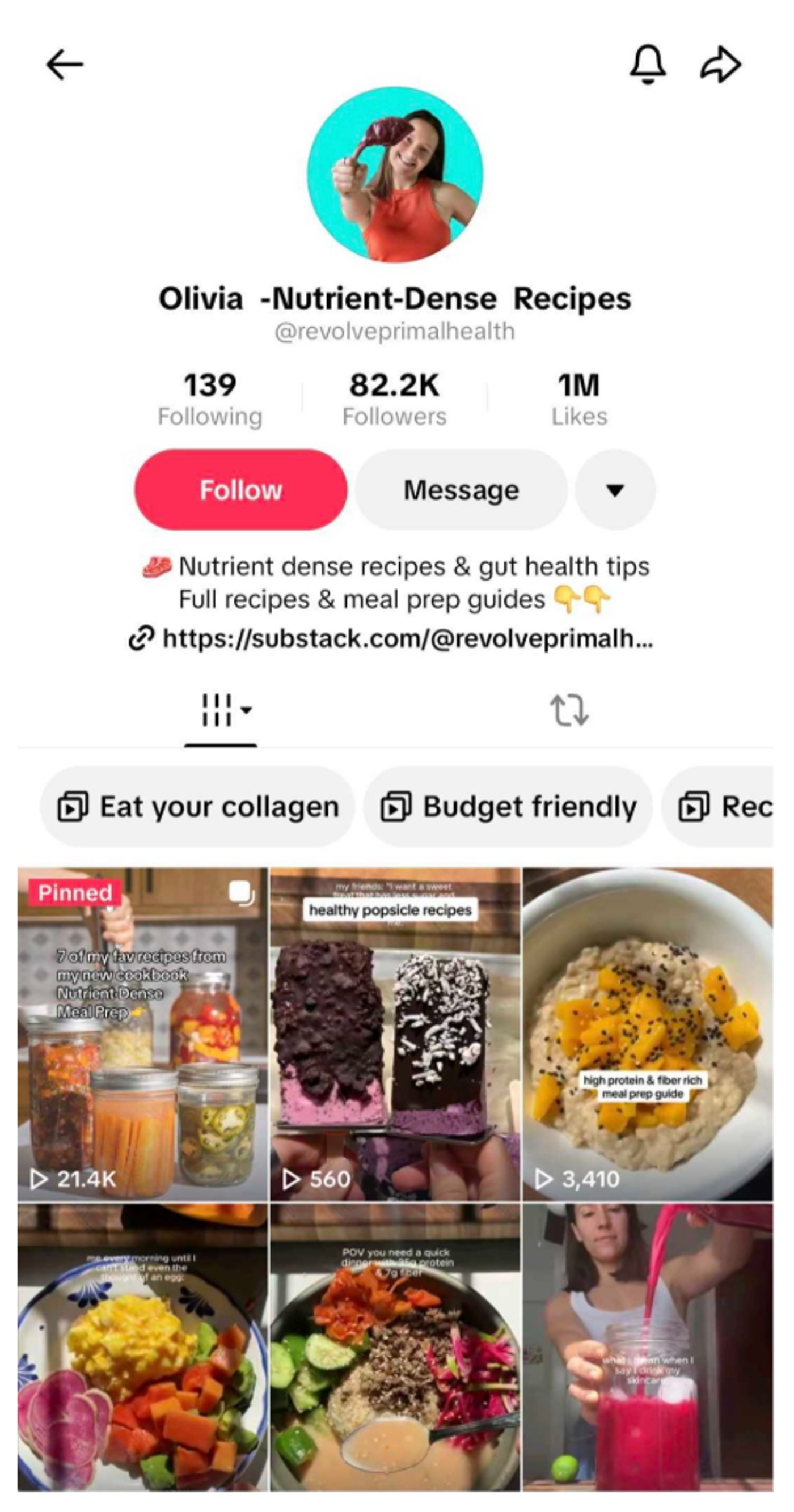
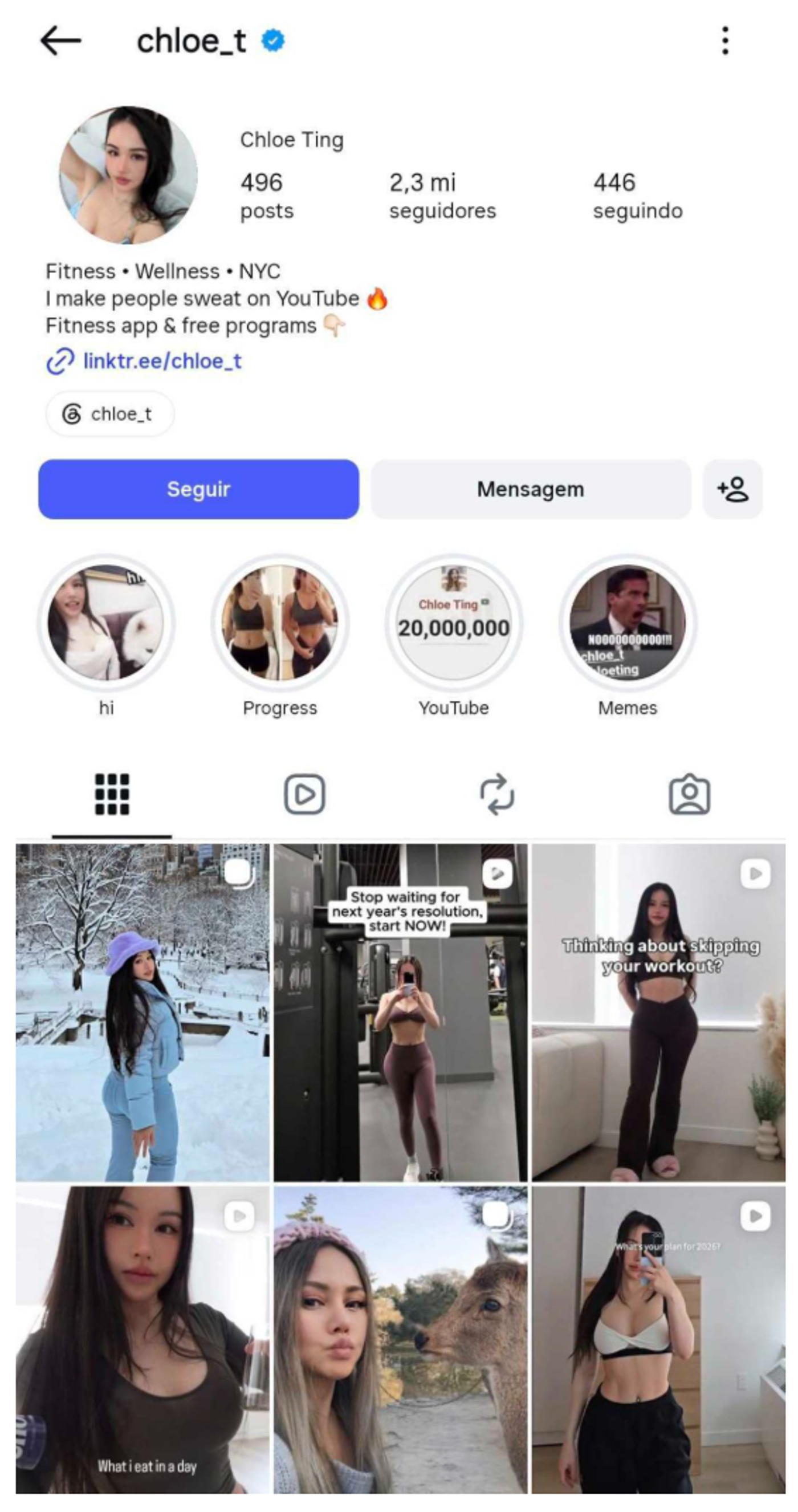
- Macro influencers (100,000–1 million followers): established wellness accounts with a recognizable point of view, often running their own programs or apps, or publishing cookbooks, alongside brand partnerships. Useful for awareness and credibility at scale, though engagement rates are typically lower than smaller tiers.
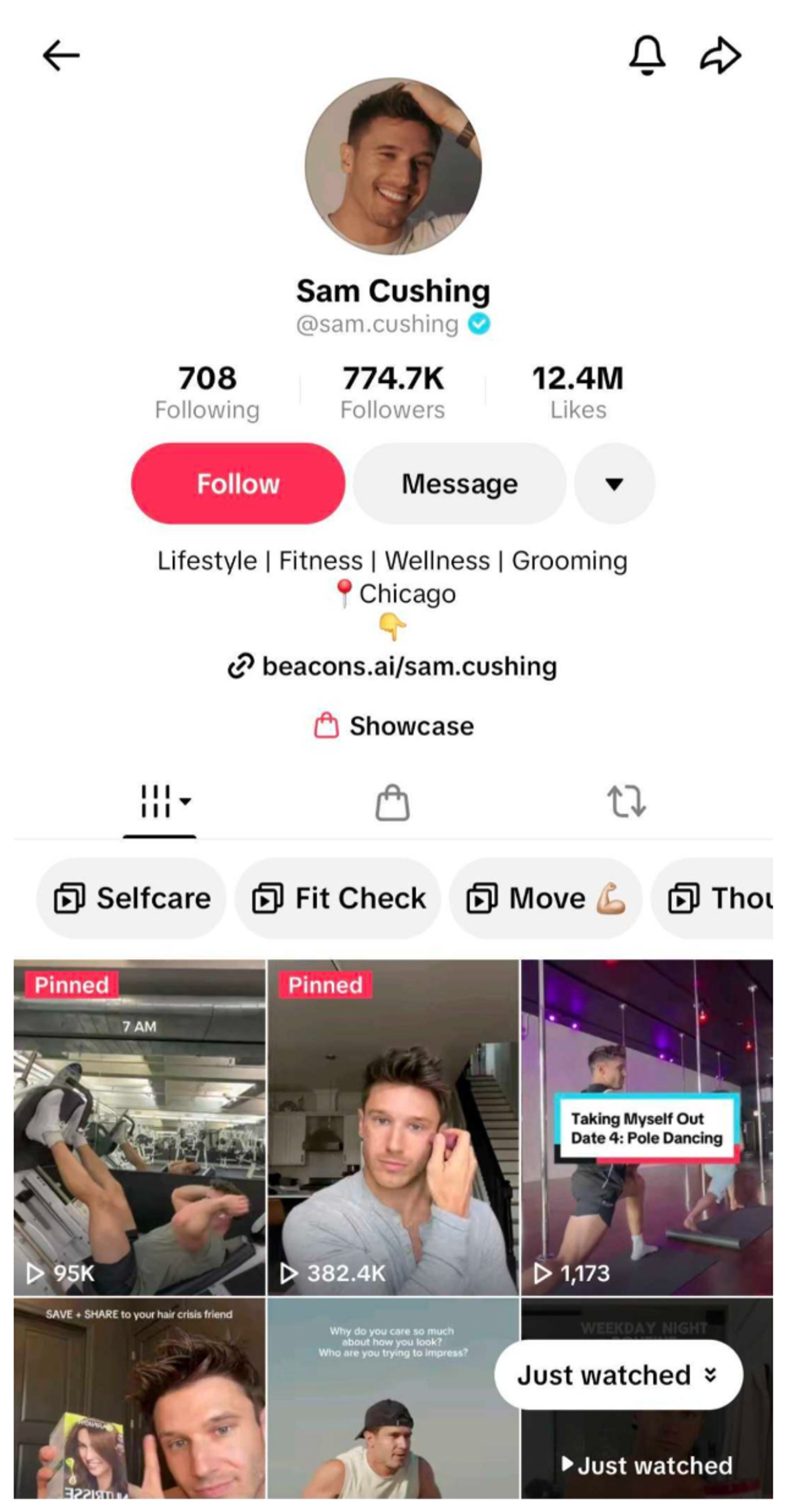
- Mega influencers (1 million+ followers): celebrity and top-tier wellness accounts with mass reach, often running their own supplement lines, apps, or media businesses alongside brand deals. Best used for large-scale awareness campaigns, though the connection to any single product tends to feel less personal than at smaller tiers.
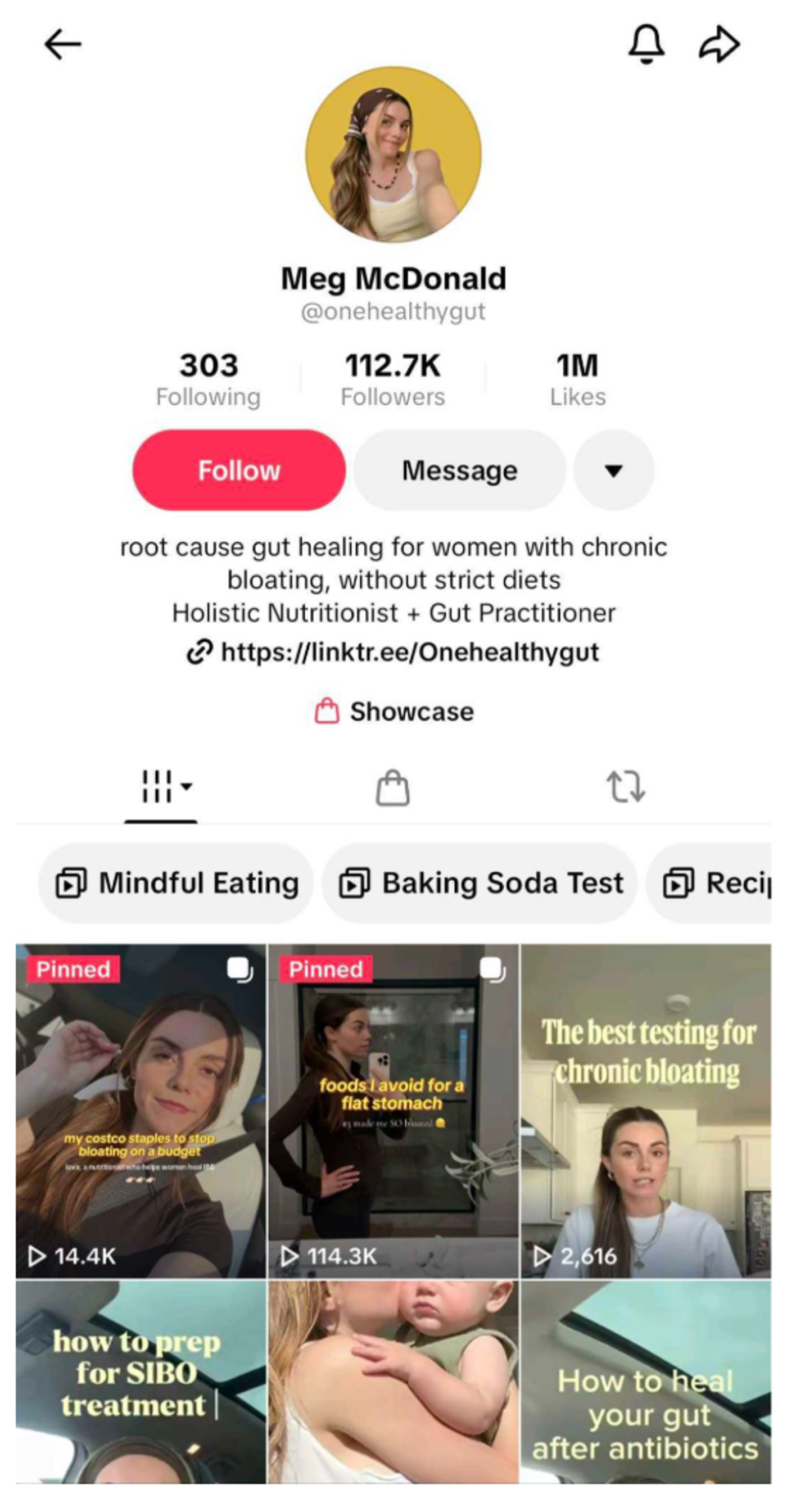
- Credentialed experts (any follower count, with clinical credentials): licensed professionals, such as registered dietitians, physical therapists, or psychologists, who post publicly. Credentialed creators are a category of their own in wellness: a dietitian with 40,000 followers can carry more weight, and more compliance responsibility, than a lifestyle account with ten times the audience.
How Much Do Wellness Influencers Cost in 2026?
Rates vary by platform, format, follower tier, and key metrics like engagement. Wellness pricing generally follows the broader influencer marketing market, with credentialed professionals often commanding a premium for their specialized knowledge and credibility.
Want to put this into practice?
SideShift connects you with vetted UGC creators who actually deliver. Start your free trial and post your first job in under 10 minutes.
For sponsored content, nano and micro creators can range from relatively modest fees to several thousand dollars per post, while larger creators can charge from several thousand dollars into the five- or six-figure range. UGC creators are typically priced separately since brands are paying for the content itself rather than access to the creator's audience, with rates varying based on the deliverables, usage rights, and volume.
For wellness brands, a mix of smaller creators and occasional larger or credentialed partnerships can help balance reach, authenticity, and credibility. The right mix ultimately depends on the campaign goal, product, and available budget.
The Rules Around Wellness, Supplement, and Mental-Health Claims
Wellness influencer marketing carries the same baseline Federal Trade Commission (FTC) disclosure requirements as other forms of influencer marketing, but health-related claims require extra care.
- Supplement and nutrition claims need appropriate substantiation. A creator can describe their own experience, but they shouldn't make claims that a product treats, cures, or prevents a medical condition without competent and reliable scientific evidence. "I've had more energy since I started taking this" is a personal observation, but "this supplement fixes your hormone imbalance" could be interpreted as a disease-related claim requiring stronger substantiation. Both brands and creators can face consequences when endorsements contain false or unsubstantiated health claims.
- Mental-health content invites extra caution. Creators posting about therapy, medication, or coping strategies can share their personal experiences, but content that comes across as clinical advice or a broader treatment claim can create additional risks. The safest approach is to frame this type of content clearly as "what worked for me," rather than a recommendation for anyone with a similar condition.
- Before-and-after content needs careful framing. A dramatic transformation post can imply that similar results are typical, even when the creator's experience is not representative. Brands should make sure they have appropriate substantiation for the claims being made and, where necessary, clearly communicate what consumers can generally expect, particularly for weight, skin, or fitness-related claims.
Platform ad libraries are also increasing the visibility of sponsored content. Meta and TikTok have expanded their ad transparency tools, making certain sponsored health and wellness content easier to review publicly. As a result, brands should be mindful that content can face additional scrutiny once it's boosted or used as a paid ad.
How to Build a Wellness Influencer Marketing Strategy
Wellness influencer marketing strategies hold up best when they're treated as an ongoing system, not a batch of one-off posts.
1. Match the Creator Tier to the Claim You're Making
A general lifestyle claim ("this tea is part of my evening routine") is fine for a nano or micro lifestyle creator. A claim tied to a physical outcome ("this reduced my joint pain") needs either heavier substantiation from the brand or a credentialed creator who can speak to it responsibly.
2. Build Compliance Into the Brief, Not the Approval Stage
Give creators specific dos and don'ts for claims language before they film, rather than catching problems in a content review. This avoids reshoots, keeps the relationship smooth, and reduces the odds that risky language gets published before anyone catches it.
Want to put this into practice?
SideShift connects you with vetted UGC creators who actually deliver. Start your free trial and post your first job in under 10 minutes.
3. Diversify Between Lifestyle and Credentialed Voices
Lifestyle and nano/micro creators are usually strongest for volume, relatability, and native-feeling content. Credentialed creators, like dietitians or trainers, are stronger when a product needs a trust anchor or the claim is more technical. You can use both, in different proportions, depending on the product.
4. Track KPIs and Make Changes in Real Time
Track engagement and conversions by creator rather than by campaign averages, and re-brief the roster periodically as product formulations, claims, or regulations change. Wellness is a category where guidance shifts, so a creator brief that was compliant a year ago may need an update.
5. Centralize the Operation as You Scale
Sourcing, contracting, disclosure tracking, and claims review get difficult to manage manually once a roster grows past a handful of creators. This is usually the point where a dedicated platform like SideShift pays for itself in reduced risk and saved time.
Scale Your Wellness Influencer Marketing Strategy with SideShift
Finding the right creators, vetting their track record, briefing, and tracking what actually converts can become a full-time project once a program grows beyond a few partnerships.
SideShift brings the process into one platform: access to pre-vetted creators, contract management, automated payments, and real-time performance tracking for views, engagement, and conversions.
Whether you're running a lean nano creator program or building a larger roster of nano and micro creators, SideShift keeps all the steps of the process in one place instead of spreading it across spreadsheets, DMs, and invoices.
FAQs
1. What is a wellness influencer?
A wellness influencer is a creator who posts about nutrition, fitness, sleep, self-care, or mental health, often documenting their own routine or transformation rather than reviewing products in isolation. The category ranges from lifestyle creators sharing personal habits to licensed professionals, like dietitians or therapists, who bring clinical credibility to the content.
2. What are the main wellness influencer marketing trends in 2026?
Credentialed creators (dietitians, trainers, therapists) are growing in popularity as audiences grow more skeptical of unsubstantiated claims. Long-form, routine-style content, like a full morning routine or supplement stack, is also popular, since it presents the product as part of a lived-in habit rather than an isolated pitch.
3. Why does wellness influencer marketing work?
Wellness recommendations are personal by nature and a creator visibly living with a habit or product over time reads as more credible than a traditional ad. Audiences also increasingly trust creators with relevant lived experience or credentials over brand messaging alone, particularly for supplement and mental-health-adjacent products.
4. What are the best wellness influencer marketing practices for brands?
Match claim strength to creator credentials, build compliance language into the brief before content is filmed, and vet creators for a clean track record on health claims, not just audience size. Brands should also lean on nano and micro creators for volume and reserve credentialed placements for products that need a stronger trust signal.