


Tech & SaaS Influencer Marketing: The 2026 B2B Playbook
B2B SaaS brands use LinkedIn creators, niche YouTubers, and developer communities. The 2026 playbook for SaaS influencer marketing that drives demos.
Table of Contents
A product manager scrolling LinkedIn during her commute stops on a post from someone she has followed for two years, a practitioner who happens to work at a company with 40,000 employees and writes about workflow tools between meetings. He mentions a piece of software he switched to last quarter. She bookmarks it, and three weeks later she is the one asking her team to book a demo.
That space between the post and the pipeline is what makes SaaS influencer marketing hard to run like a typical UGC creator campaign. A creator's audience doesn't buy on impulse. They research, forward the post to a colleague, sit on it for a sprint planning cycle, and eventually show up in your CRM under a source that never quite gets credit. Most brands still track these campaigns the way they'd track a flash sale, checking clicks in week one and writing off a channel that was actually working exactly as intended.
Tech and SaaS influencer marketing pairs B2B brands with creators whose audiences make software purchasing decisions like LinkedIn practitioners, niche YouTubers who cover developer or product management workflows, technical writers on Substack, and the handful of X accounts every engineering team already follows.
What Makes B2B Influencer Marketing Different From a Consumer Campaign?
A SaaS buyer's total addressable market might be 20,000 operations leaders instead of 20 million consumers, but each customer carries a lifetime value that a lifestyle brand would need hundreds of purchases to match. Sales cycles run for weeks or months instead of minutes, and the actual conversion event is a demo booking or trial signup, not a checkout page.
On top of that, software purchases rarely come down to one person's opinion. A buying committee usually includes someone from finance, someone from IT, and the end users themselves, so a single creator post is one input among several rather than the deciding factor. Campaigns built around this reality look patient and layered instead of chasing a single viral moment.
SaaS Creator Subsegments
Not every tech creator reaches the same buyer. The right fit depends on who uses your product, who influences the purchase, and where those people already go for recommendations. Most SaaS creators can fall into five broad groups:
- LinkedIn thought leaders: functional experts covering marketing, sales, ops, or finance who post from lived experience rather than a brand deck
- Niche YouTubers: developer-focused channels, product-manager content, and the growing no-code and automation space
- Twitter/X commentators: often anonymous founder accounts with outsized influence in a narrow technical niche
- Substack and newsletter authors: writer behind publications like Lenny's Newsletter or Marketing Brew that reach a highly engaged, opted-in subscriber base
- Podcast hosts: CMO-focused shows, founder interview podcasts, and vertical-specific shows that reach buyers during a long commute rather than a scroll
A DevOps tool needs a developer-focused YouTuber. A marketing platform needs a LinkedIn operator or a newsletter placement. Getting this match right before the brief goes out saves weeks of underperforming content later.
Want to put this into practice?
SideShift connects you with vetted UGC creators who actually deliver. Start your free trial and post your first job in under 10 minutes.
6 SaaS Creators to Learn From
This list works less as a hall of fame and more as a set of reference points for what strong SaaS creator content actually looks like right now.
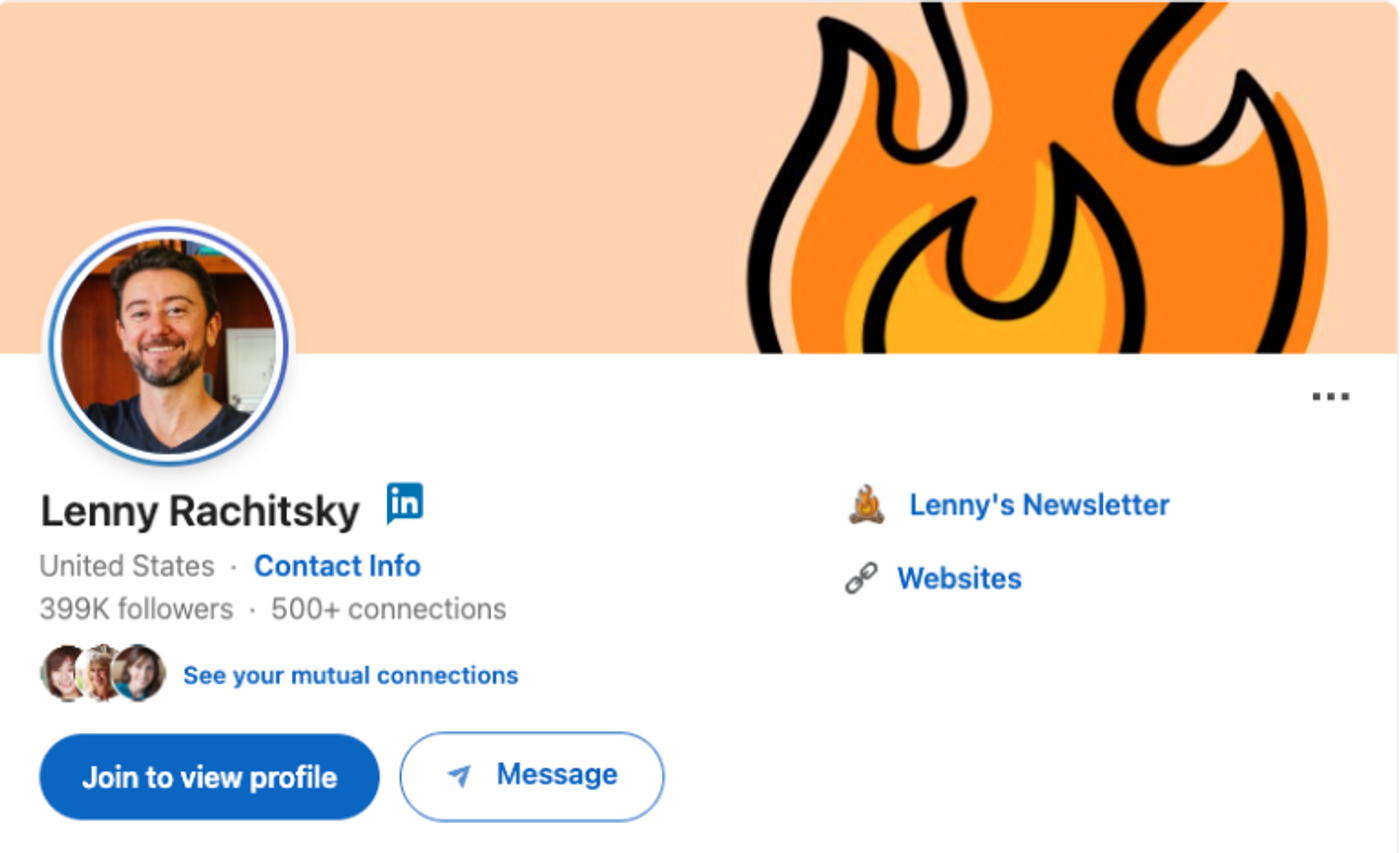
- Lenny Rachitsky, whose newsletter has become a default reference point for product managers evaluating new tools
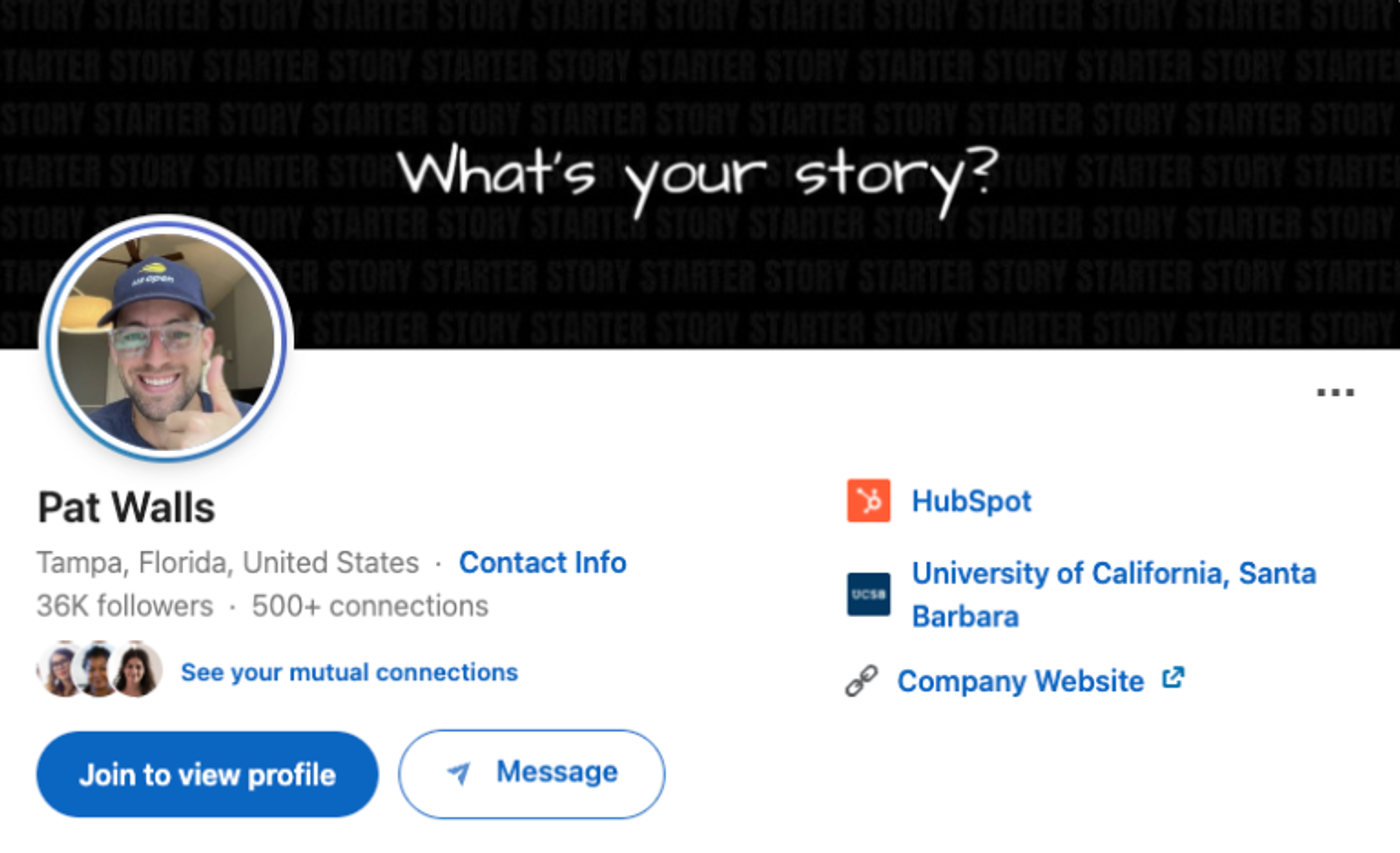
- Pat Walls of Starter Story, who covers the software stacks founders actually use to run their businesses
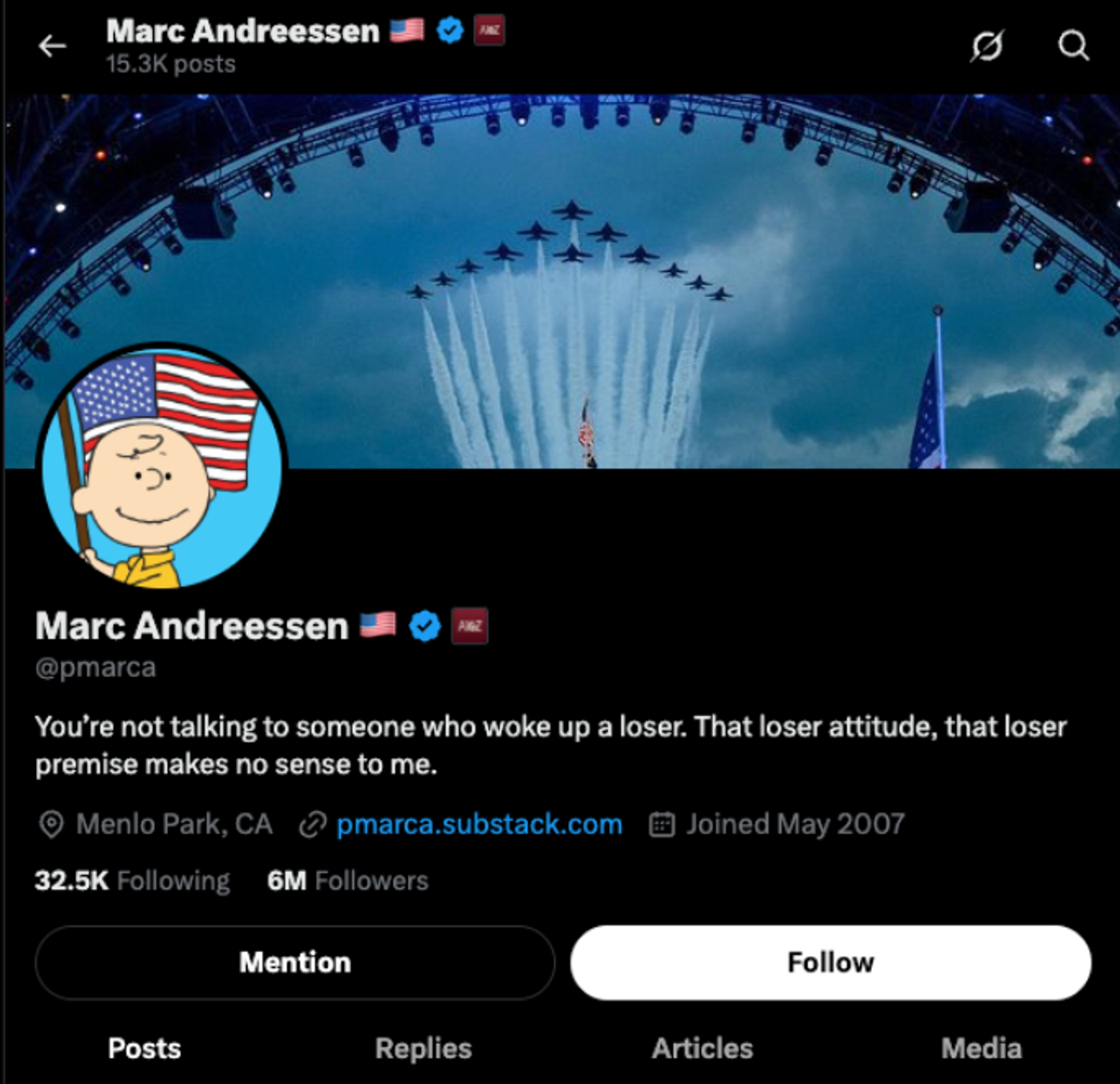
- Marc Andreessen, whose commentary shapes how much of the venture and founder community frames new technology
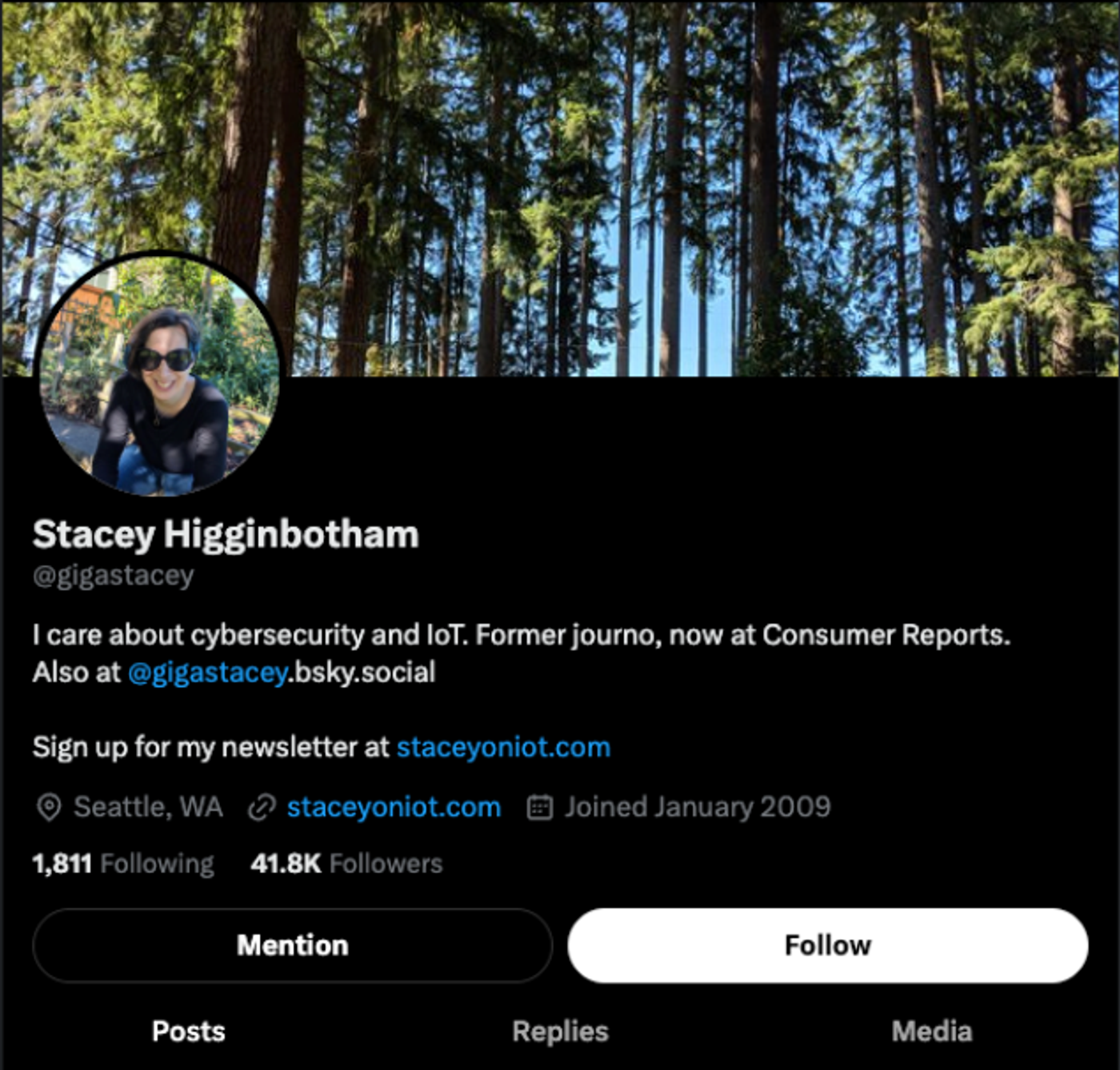
- Stacey Higginbotham, a longtime voice in enterprise and IoT tech coverage
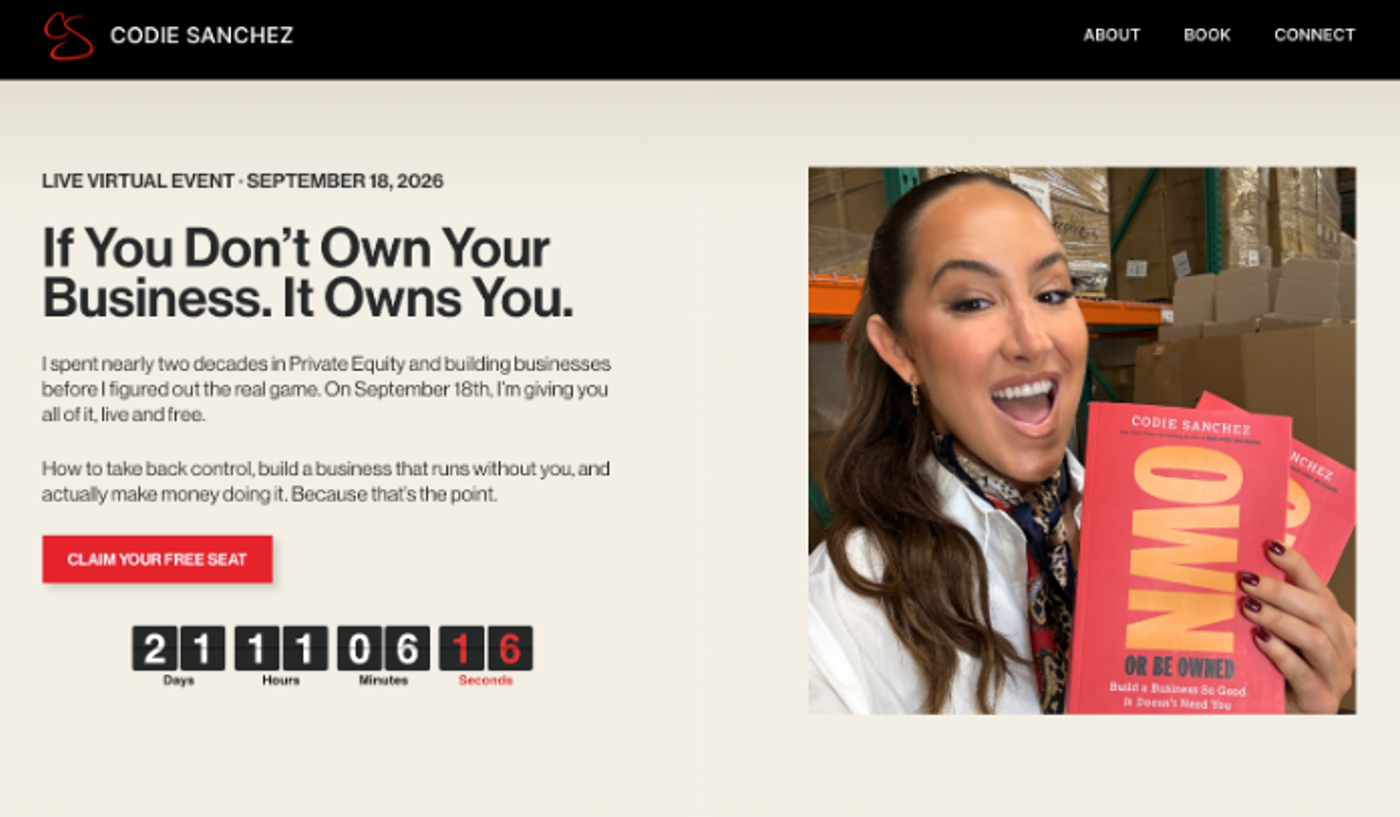
- Codie Sanchez, who covers business acquisition and the operational tools that support it
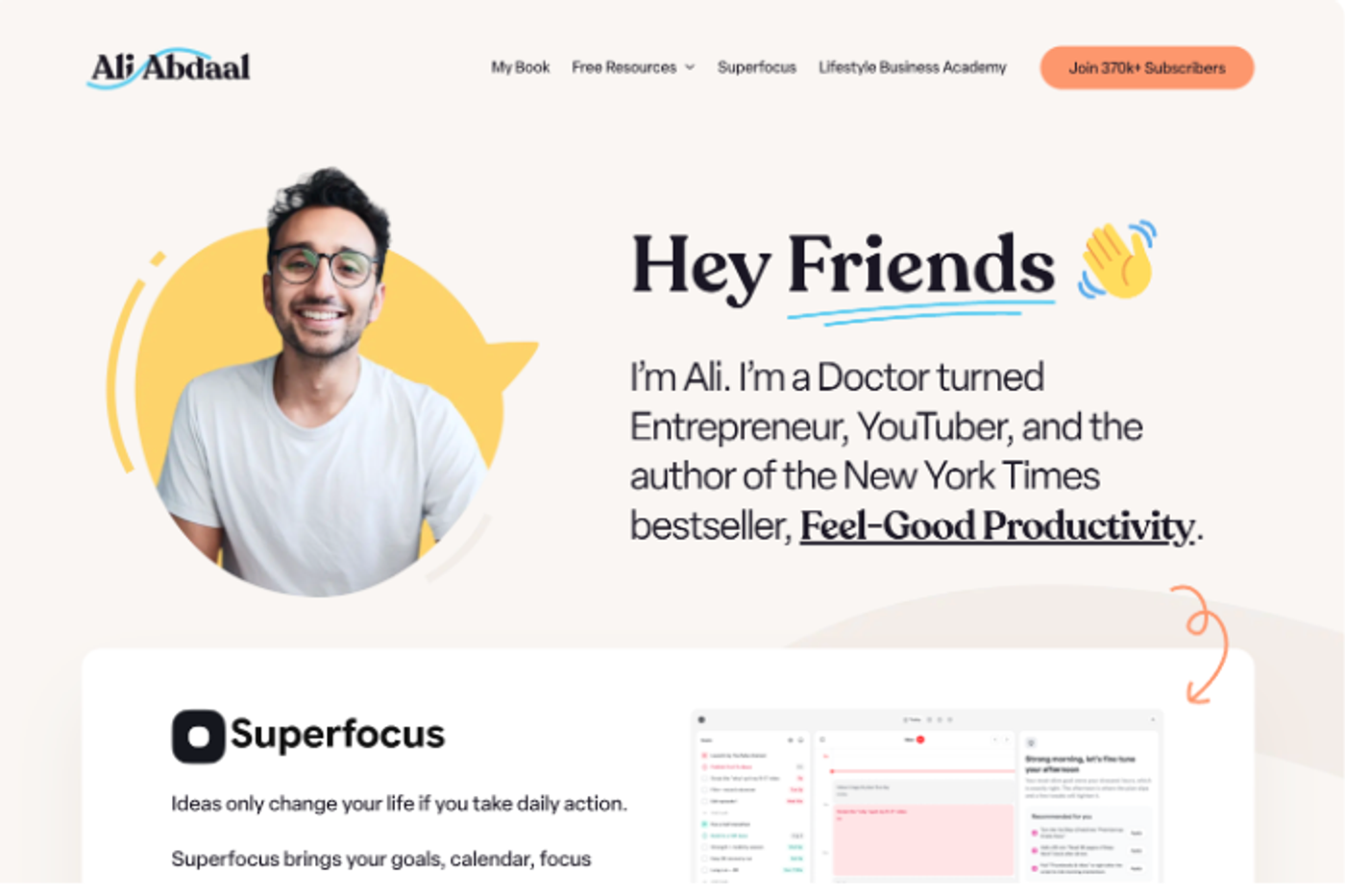
- Ali Abdaal, whose software-stack content reaches a broad productivity-minded audience outside the traditional B2B bubble
How SaaS Brands Work With Creators
Notion built a visible community of power users who create their own tutorial content, which functions as an always-on creator program without a traditional media budget.
Linear and Figma both lean on practitioner voices inside design and engineering communities rather than paid spokespeople.
Vercel and Cloudflare show up consistently in developer-focused YouTube and newsletter content because their products solve problems those creators already talk about.
Webflow, Loom, and Cal.com round out the group, each with a pattern of supporting creators who were already talking about the category rather than manufacturing interest from nothing.
GPTZero is a good example of what happens when the audience and the message line up. As the leading tool for identifying AI-written text, GPTZero had strong traction with educators but almost no visibility with the students actually writing the essays the tool was built to check. Growth showed up in press-driven spikes instead of anything consistent, and "AI detection" hadn't yet become part of how TikTok talked about academic integrity.
SideShift built a creator campaign for GPTZero around student-first creators fluent in campus life and AI culture, using skits, challenges, and tutorials rather than a straight product pitch. The team scaled to more than 600 TikToks in four to five weeks with daily feedback loops, and every post tied back to GPTZero's actual mission of protecting originality in a world full of AI-written text.
The campaign ran for five months and generated more than 421 million views across 22,300 posts, at a cost per thousand impressions of just $0.13. It brought in more than a million new users and converted a meaningful share of viewers into paying subscribers, turning a niche utility into a conversation students were actually having about their own work.
Campaign Formats for SaaS Brands
The message medium matters just as much as the creator. SaaS products often need more context than a quick product mention can provide, so the strongest format is usually one that gives the creator enough room to explain what the product does, who it's for, and why they use it. These four formats are especially well suited to SaaS creator campaigns.
- Newsletter sponsorship reaches an already-educated, opted-in audience and offers some of the most direct attribution available in this category.
Want to put this into practice?
SideShift connects you with vetted UGC creators who actually deliver. Start your free trial and post your first job in under 10 minutes.
- YouTube long-form integration gives a creator room for a real product demo instead of a rushed mention, which matters for software that needs a few minutes to show its value.
- LinkedIn thought-leadership co-content pairs an expert's point of view with the brand's, so the post reads like a genuine perspective rather than an ad.
- Podcast sponsorship and interviews reach buyers during commutes and downtime, a format that consistently gets underused relative to how well it performs for considered purchases like software.
What Do SaaS Creators Charge?
Pricing generally runs higher than B2C lifestyle rates because the audiences are smaller but far more valuable per person, but SaaS creator pricing varies widely based on the creator, platform, audience, content format, and scope of the partnership.
A niche creator with direct access to the exact buyers a brand wants to reach may command a higher rate than a much larger general-interest account. Usage rights, exclusivity, content complexity, campaign length, and paid amplification can also push rates higher. For SaaS brands, follower count alone is rarely enough to determine what a creator partnership should cost.
How Creator Marketing Fits Into Developer Relations
Developer audiences change the usual influencer marketing playbook. A sponsored post can introduce a tool, but developers usually need more than an endorsement before they bring new software into their workflow. They want to see how it works, what problem it actually solves, how it fits into their existing stack, and whether people they trust are already using it.
That's where creator marketing starts to overlap with developer relations. Instead of paying for a single mention, a SaaS brand might work with a developer creator on tutorials, product walkthroughs, open-source projects, technical workshops, livestreams, community events, or ongoing educational content. The creator does more than distribute the message. They translate the product into terms the people most likely to use it will actually trust.
This changes who counts as a valuable partner too. The best fit isn't always the developer with the biggest audience. It's often the person whose tutorials get bookmarked, whose GitHub projects get used, or whose recommendations carry real weight inside a specific technical community. For developer-focused SaaS brands, that kind of credibility matters more than reach on its own.
How Should You Measure SaaS Influencer Campaigns?
Attribution is genuinely the hardest part of this category. Long sales cycles and multiple touchpoints mean a single UTM link rarely tells the full story. The most reliable approach combines self-reported attribution on demo request forms, UTM tracking for what it can capture, and periodic brand-aided recall surveys to catch the influence that never clicks a link at all.
Our guide to attribution models for UGC and influencer campaigns and our breakdown of UGC and influencer campaign ROI go deeper into building a measurement stack that holds up over a multi-month cycle.
Common Mistakes SaaS Brands Make With Creators
The most common misstep is treating a creator partnership like a media buy, with a rigid script and no room for the creator's own voice, which tends to flatten performance across every format. A close second is handing a creator no editorial freedom at all, which almost guarantees content that reads as sponsored the moment it starts.
Want to put this into practice?
SideShift connects you with vetted UGC creators who actually deliver. Start your free trial and post your first job in under 10 minutes.
Vague success metrics cause the third problem, since a campaign judged only on impressions will always look like it underperformed against a sales team expecting pipeline. And podcast sponsorships get skipped far too often, usually because they're harder to measure quickly, even though the format reaches exactly the buyers a SaaS brand is trying to influence.
Find the Right SaaS Creators with SideShift
Running a B2B creator program across LinkedIn, YouTube, newsletters, and podcasts at the same time means juggling outreach, contracts, deliverables, and payments across formats that rarely look alike.
SideShift keeps that entire operation in one place, which matters most for SaaS teams managing a smaller, higher-value creator roster instead of a large volume of quick-turn content.
If your content strategy already covers UGC for this audience, our guide to UGC for B2B and SaaS pairs well with this playbook, and our UGC creator platforms guide covers the sourcing side in more depth.
FAQs
1. Does influencer marketing work for B2B SaaS?
Yes. SaaS buyers rarely make a purchase decision the moment they see an ad, and that's exactly why creators work so well in this category. Most buyers are already researching on their own long before a sales team ever hears from them, reading reviews, watching demos, and checking what people they trust actually use. A credible creator sits right inside that research phase instead of interrupting it, which is a different job than a typical B2C influencer post is doing. The brands seeing the strongest results treat creators as a trust-building layer ahead of the sales conversation, not a replacement for one.
2. Where do I find SaaS influencers?
Start with the platforms your buyer already spends time on: LinkedIn for operators and analysts, YouTube for practitioners doing hands-on reviews, and developer communities like Discord or Slack for technical products. A creator platform that matches you against a large, vetted pool saves the manual searching, which is the gap SideShift was built to close.
3. How much do LinkedIn influencers charge?
Rates vary widely based on audience size, engagement, and whether the creator is a full-time influencer or a practitioner posting as part of their day job. Practitioners with smaller, highly relevant audiences are often more affordable than large-follower creators, and in B2B they tend to convert better too. A flat fee paired with a performance bonus is a common structure once a relationship proves out.
4. What's the difference between B2B and B2C influencer marketing?
B2C influencer marketing usually optimizes for reach and immediate purchase intent. B2B optimizes for trust and credibility with a buying committee that may take months to decide. That's why B2B campaigns lean on practitioners, analysts, and subject-matter experts rather than lifestyle creators, and why success gets measured in pipeline rather than likes.
Want to put this into practice?
SideShift connects you with vetted UGC creators who actually deliver. Start your free trial and post your first job in under 10 minutes.
5. Can I run a creator program for a developer tool?
Yes, and developer communities are often the highest-trust channel available for this kind of product. The approach looks different from a typical influencer campaign. It usually means supporting a community with real resources, sponsoring events, or working with a respected member rather than buying a single sponsored post. Genuine standing in these spaces has to be earned, which is what makes it so valuable once you have it.