


Pet Influencer Marketing: The 2026 Guide for Brands
Pet influencer marketing drives the highest engagement of any vertical (often 6-9%). See top pet creators, costs, and how to run a campaign in 2026.
Table of Contents
Pet influencer marketing has an advantage that other industries don’t: 1) people love watching cute animals do anything; 2) a pet visibly enjoying a treat or reacting to a toy is difficult to fake convincingly, which makes the recommendations coming from a pet influencer account seem more truthful.
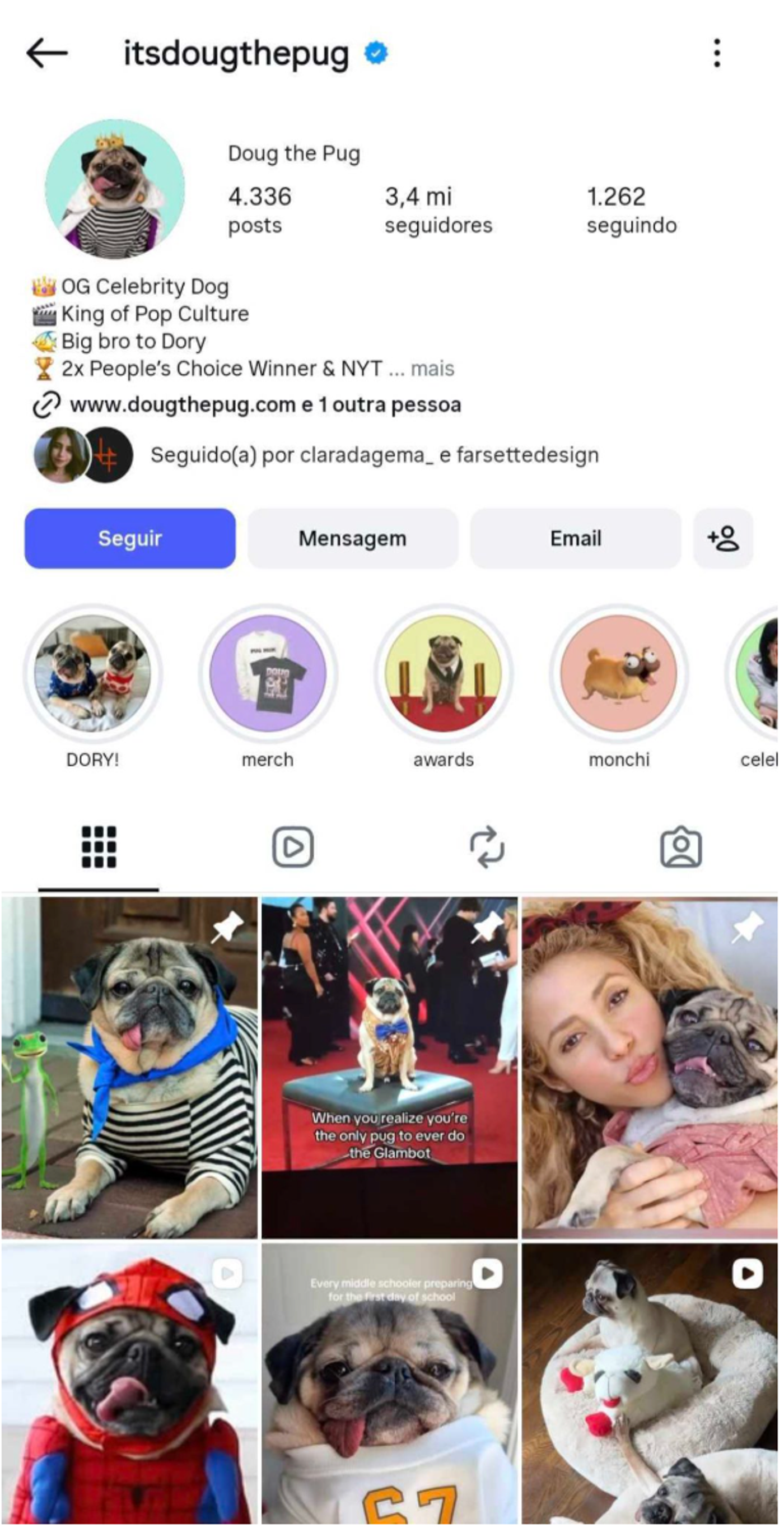
On top of that, this niche covers a wider range of content than most brands realize. It spans everything from a nano account with 3,000 followers sharing funny moments to a pug with 3.4 million followers on Instagram and his own line of merchandise.
If you’re looking to partner with pet influencers, understanding the landscape of this niche can help you make more informed decisions. This guide covers tiers, pricing, real examples of who's working at each level, and what to consider when building pet influencer marketing strategies.
What Do Pet Influencer Accounts Look Like?
Pet influencers generally fall into four broad tiers. Across all tiers, you’ll find accounts that are centered solely on the pet, with the owner only doing voice overs, as well as accounts where pets and owners share the screen but with the pet always being the focal point of the content.
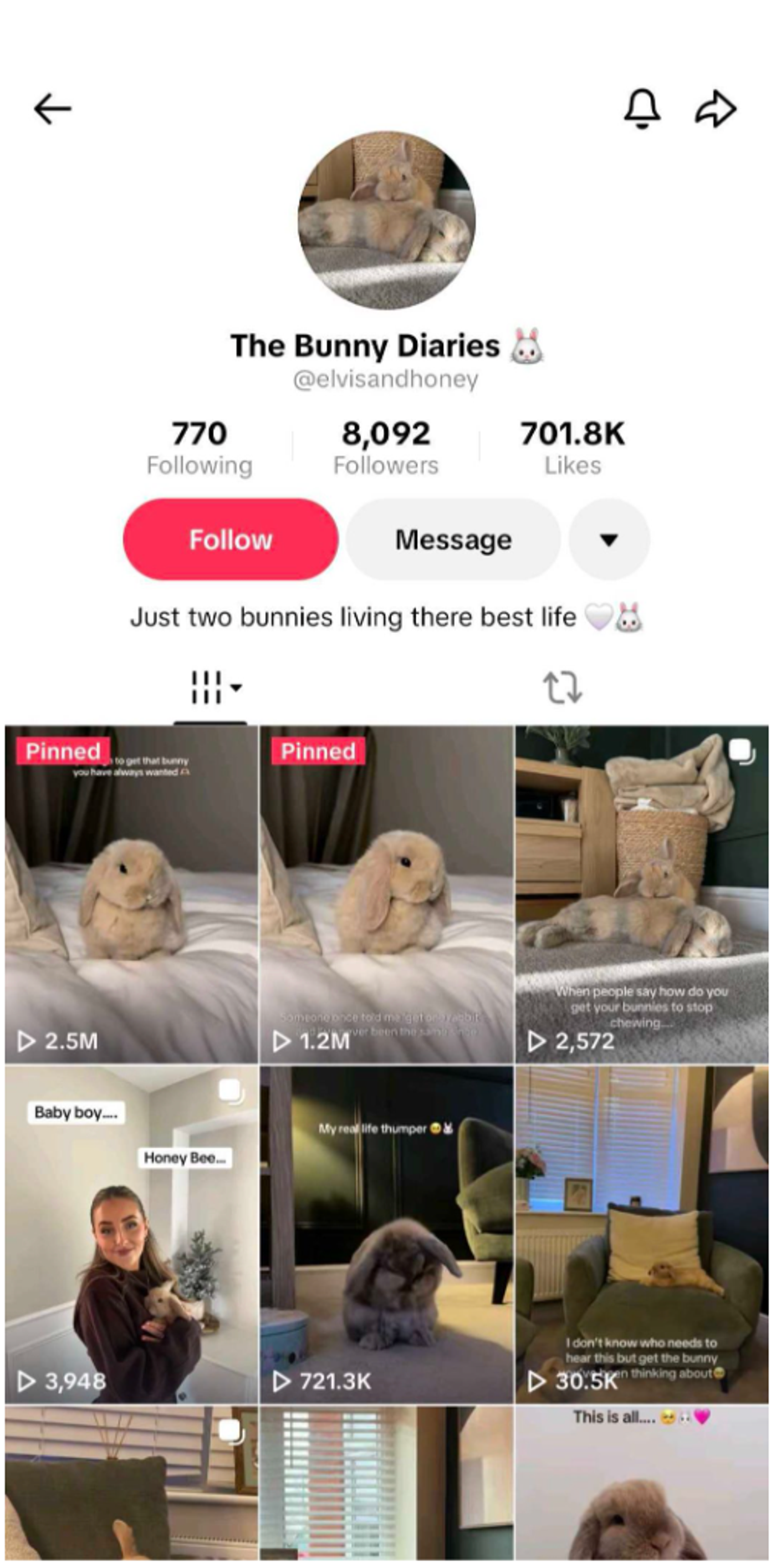
Nano influencers (1,000–10,000 followers): often a single pet's account, with a small but highly engaged following, best suited to volume-based UGC campaigns. Engagement at this tier can run into double digits, so the trade-off for a lower cost is usually worth it. One example is The Bunny Diaries (@elvisandhoney), which has 8,092 followers on TikTok and shares daily activities and cute moments of two pet bunnies.
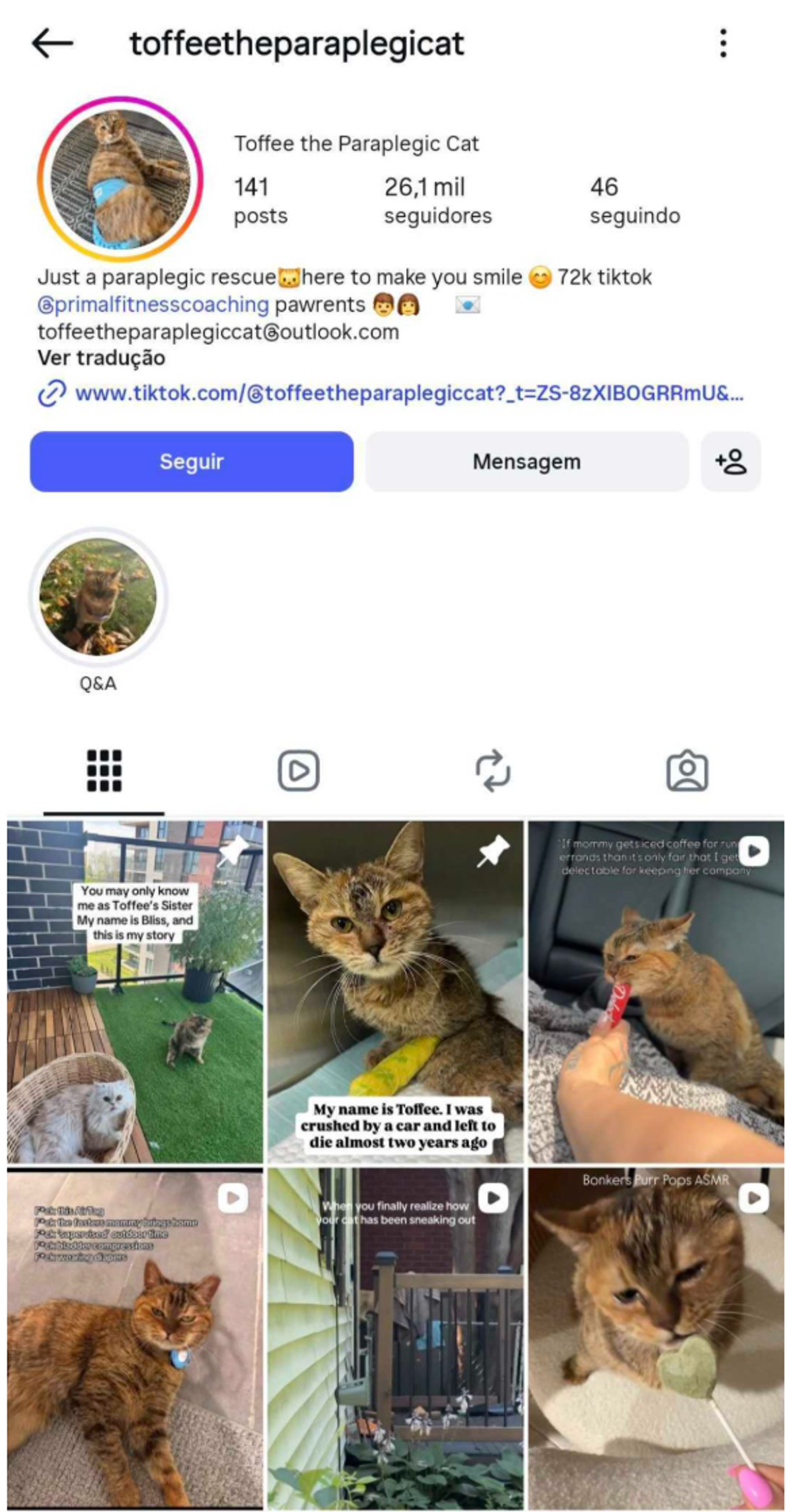
Micro influencers (10,000–100,000 followers): the workhorse tier for most pet brand campaigns. These accounts typically post consistently around a niche, such as a specific breed, a rescue story, a training journey, and attract a more segmented following. One example is Toffee The Paraplegic Cat (@toffeetheparaplegicat), which is a rescue cat with 26.1k followers on Instagram that survived getting his spine crushed and is now a paraplegic.
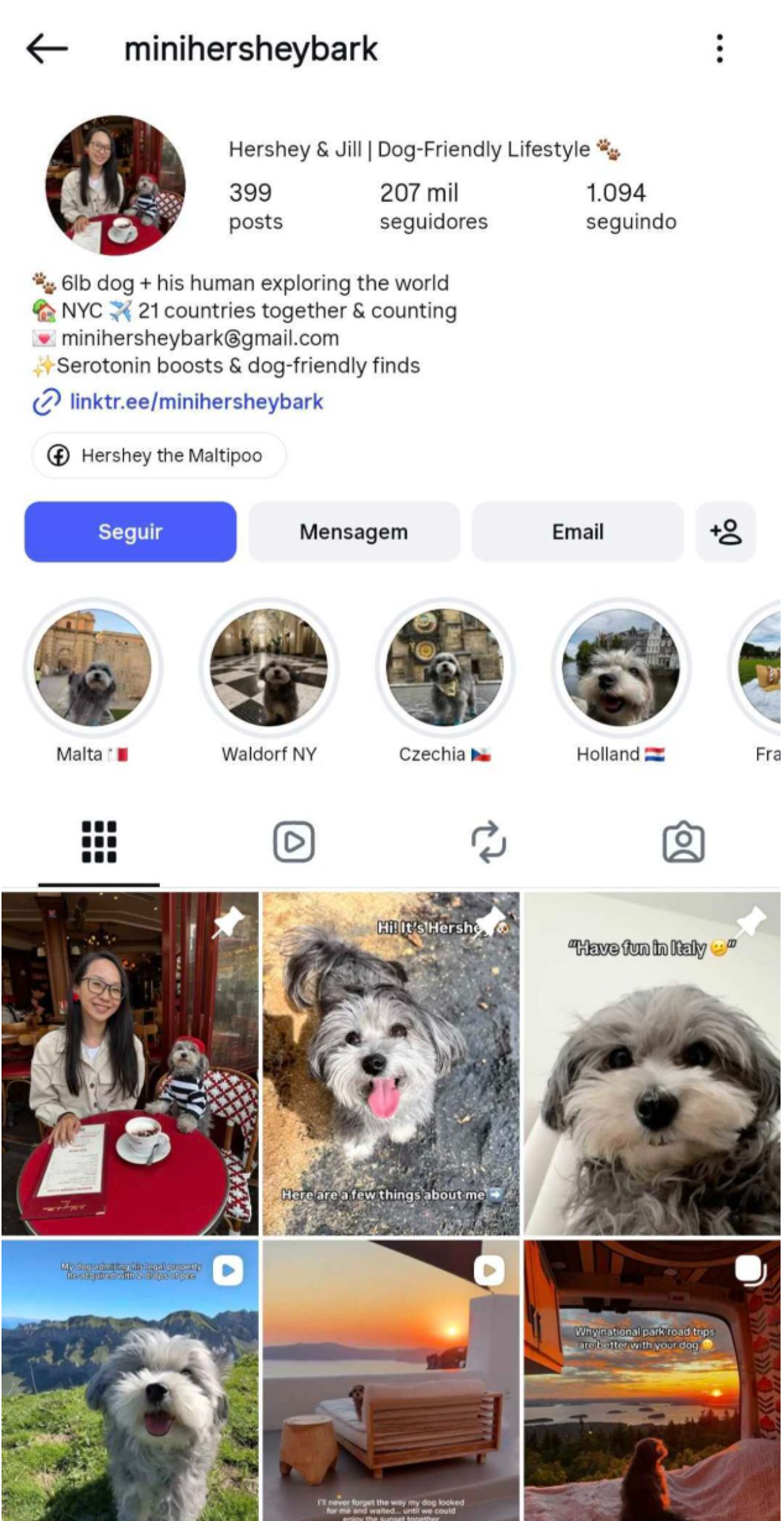
Macro influencers (100,000–1 million followers): established pet accounts with broad reach. Some operate more like small media businesses at this point, with a consistent visual identity and a track record of brand partnerships. Good for awareness campaigns, though engagement rates typically compress compared to smaller tiers. A good example is Hershey (@minihersheybark), a Schnauzer with 150k followers on TikTok and 203k followers on Instagram, whose accounts are all about him exploring the world with his owner Jill.
Mega influencers (1 million+ followers): operate as full entertainment brands with merchandise, book deals, and event appearances layered on top of sponsored content. These are the exception, not the benchmark, for most pet marketing budgets, and command pricing to match. One example is Doug the Pug (@itsdougthepug) which has 3.4 million followers on Instagram, an audience that was built on pop-culture parody and celebrity crossover content.
How Much Do Pet Influencers Cost in 2026?
Influencer rates vary by platform, content format, and whether the deal includes usage rights. Nano and micro influencers are on the most affordable side of the spectrum, charging from $10 to $200 and from $100 to $1,500, respectively, per sponsored post.
Want to put this into practice?
SideShift connects you with vetted UGC creators who actually deliver. Start your free trial and post your first job in under 10 minutes.
Macro and mega influencers are on the pricier end, charging from $7,500 to $20,000 and from $20,000 to hundreds of thousands, respectively, per sponsored post.
One exception worth considering is veterinarian and credentialed pet-care creators. They can often charge two to three times the rate of a lifestyle account with a similar follower count because their professional credentials carry real weight for health, nutrition, and wellness products, and because their claims carry more scrutiny if they're wrong.
UGC creators, who mostly focus on creating content for brands to post on their own platforms, walk in a separate lane, charging per video or monthly video packages. Singular video prices range from $50 to $300 per video. Monthly video packages can cost anywhere from $100 to $10,000, depending on the campaign size.
Pet brands running efficient programs weigh their budget heavily toward nano and micro creators. A large roster of smaller accounts with strong engagement, supplemented by one or two mid-tier or credentialed placements per quarter for products that need a trust anchor.
The Rules Around Pet Health and Food Claims
Pet influencer marketing carries the same baseline disclosure requirements as any other category, but health and food claims raise the stakes considerably, and it's an area the FTC has been actively enforcing.
- Health and nutrition claims need substantiation. A creator can describe their own experience, but they can't make claims about a product's health benefits, medical effects, or nutritional superiority without evidence. “My dog's coat has never looked shinier” is a personal observation, but “this supplement treats joint inflammation” is a health claim that requires the same level of substantiation a brand would need for its own advertising, and the FTC holds both the brand and the creator accountable for it.
- Pet food labeling has its own regulatory layer. Beyond FTC disclosure rules, pet food marketing claims also intersect with FDA and AAFCO labeling standards. If a creator's content echoes label claims about nutritional adequacy or ingredient sourcing, those claims should match what's actually substantiated on the product label. Inconsistency between influencer content and label claims can create exposure on both fronts.
How To Build a Pet Influencer Marketing Strategy
Pet influencer marketing strategies work best when they’re treated as a structured system, not a series of one-off posts. Here's a framework for building one:
1. Set a Goal Before You Set a Budget
Product launches, awareness, and conversion-driven sales calls for different tier mixes. A launch might lean on one or two macro placements for reach, while an evergreen supplement campaign is usually better served by a wide roster of micro and nano creators who can generate ongoing, native-feeling content.
2. Vet for Authenticity, Not Follower Count
Check how a creator's audience has responded to past sponsored content, not just their organic posts. A creator whose sponsored posts read seamlessly alongside the rest of their feed is a safer long-term partner than one whose paid content noticeably breaks tone. It's also worth checking whether the audience itself is real as bot followers and engagement pods are common in this niche.
Want to put this into practice?
SideShift connects you with vetted UGC creators who actually deliver. Start your free trial and post your first job in under 10 minutes.
3. Diversify Platforms and Formats
Video generally outperforms static posts in this category, but different platforms serve different jobs. While TikTok is great for discovery, Instagram builds community and repeat engagement. Test formats and platforms early to figure out which performs best and brings the result you want.
4. Monitor, Measure, and Renew
Track engagement and, where possible, conversion by creator, not just campaign-wide averages. Treat the roster as a living program: retire underperformers, deepen relationships with strong ones, and re-brief periodically as claims or product lines change.
5. Centralize the Operation as You Scale
Sourcing, contracting, disclosure tracking, and performance monitoring get hard to manage in spreadsheets once a roster passes a dozen active creators. This is usually the point where a dedicated platform like SideShift, where you can combine all these tasks, pays for itself in time saved.
Scale Your Pet Influencer Marketing Strategy with SideShift
Sourcing the right creators is its own project (hashtag research, platform-native discovery tools, profile analysis and vetting), and when you combine that with the mechanics of managing multiple campaigns, it can get daunting and out of control really fast.
SideShift takes a little bit of the weight out of your hands. In one platform you’ll find pre-vetted creators, manage contracts, handle automated payments, and track performance, seeing content, views, engagement, and conversions in real time.
FAQs
1. What are the main pet influencer marketing trends in 2026?
Brief video clips of transformations, reactions, day-in-the-life snippets are currently some of the main trends among pet influencers, as TikTok trends and editing style grow in popularity.
2. Why does pet influencer marketing work?
A study found that people consider pets more genuine and sincere, since they don’t have hidden agendas. This is also influenced by the “influencer fatigue” phenomenon derived by the rise of influencers and a surge of sponsored posts.
3. What are the best pet influencer marketing practices for brands?
Vet for real, engaged audiences rather than follower count alone, lean on nano and micro creators for volume and authenticity, and keep a couple of macro placements in reserve for products that need a stronger trust signal. Brands should also budget for pet UGC as a lower-cost way to keep a steady supply of native-feeling content for their own channels and ads, and only make health or nutrition claims if they can be substantiated.
4. How much does pet influencer marketing cost?
Rates range from roughly $100 per post for a nano creator to well over $20,000 for a macro or celebrity pet account.