


How to Build a Creator Community That Actually Lasts (2026)
Build a creator community that lasts with a 6-step framework for onboarding, recognition, engagement, and retention for brand teams in 2026.
Table of Contents
A creator community is a group of creators connected to a brand and to each other through shared identity, recurring touchpoints, and meaningful perks. It's the difference between a roster of names in a spreadsheet and a group of people who show up for your brand even when there's no deliverable due.
Strong creator communities can drive higher retention than transactional creator deals, and they can generate organic UGC without paid prompting, because creators who feel like members are more likely to post about your brand on their own terms, not just when a contract says they have to.
This guide will walk you through what ritual, recognition, and reciprocity actually look like in practice, with specific tactics for creating recurring touchpoints that don't feel like check-ins, ways to spotlight creators publicly, and perks that scale as the relationship deepens.
What Is a Creator Community?
An ambassador program is a list. A creator community is a place.
Ambassador programs, even well-run ones, tend to center on individual contracts: a brand signs a creator, sends product, tracks deliverables, and moves to the next name. Nothing connects the creators to one another.
A community adds another layer to the relationship. Beyond one-on-one interactions with the brand, creators have opportunities to connect with each other, share ideas, see what others are creating, and participate in recurring conversations or events. That peer connection can make a creator program feel more engaging and valuable than a purely transactional roster of contacts.
Why Creator Communities Outperform One-Off Deals
One-off partnerships can still be valuable, but they’re built around individual campaigns and deliverables. A creator community gives brands the opportunity to build on those relationships over time, creating benefits that are harder to develop when every collaboration starts from scratch.
- Community can support retention. When creators build relationships with a brand and with other creators in its network, there are more reasons to stay involved beyond an individual campaign. This broader connection can have a meaningful impact: 66% of companies say community influences customer retention. While keeping creators engaged depends on several factors, including fair compensation, consistent communication, recognition, and repeat opportunities, the broader data reinforces the value of giving people an ongoing reason to participate and contribute to longer-term creator relationships.
- Organic advocacy becomes more likely. Creators who genuinely identify with a brand may continue talking about its products outside of contracted deliverables. That doesn’t mean every community member will start posting for free, but creating a stronger sense of connection can make organic mentions and recommendations more likely over time.
- Creators can learn from each other. Giving creators opportunities to see each other’s work, exchange ideas, or discuss what’s performing well can introduce a useful peer-learning element. A newer creator might pick up a stronger hook, filming technique, or content angle from another creator that they wouldn’t get from a brand brief alone.
- Brand familiarity can deepen over time. Creators who work with a brand repeatedly have more opportunities to understand its products, audience, tone, and expectations. That familiarity can make future collaborations smoother and reduce the amount of direction needed compared with continually onboarding new creators.
Want to put this into practice?
SideShift connects you with vetted UGC creators who actually deliver. Start your free trial and post your first job in under 10 minutes.
None of these happen just because you put creators in a group chat and call it a community. They depend on how the program is structured, how consistently the brand shows up, and whether creators get real value from participating. That starts with building the right foundation.
Examples of Strong Creator Communities to Learn From
A handful of brands have built creator and customer communities that outlasted every marketing trend around them.
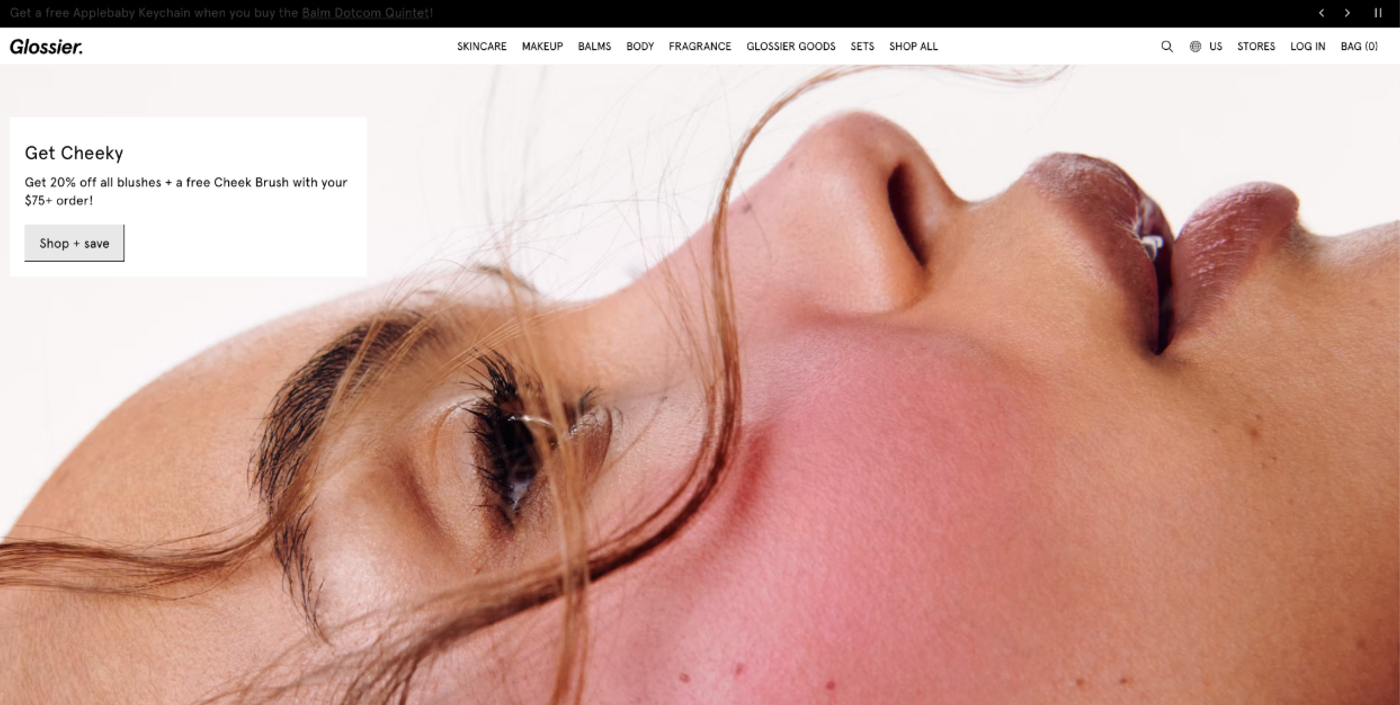
Glossier: The brand built community into its growth strategy by bringing customers’ opinions, content, and participation into the brand experience, offering an early example of how brands can treat their audience as active contributors rather than simply consumers.
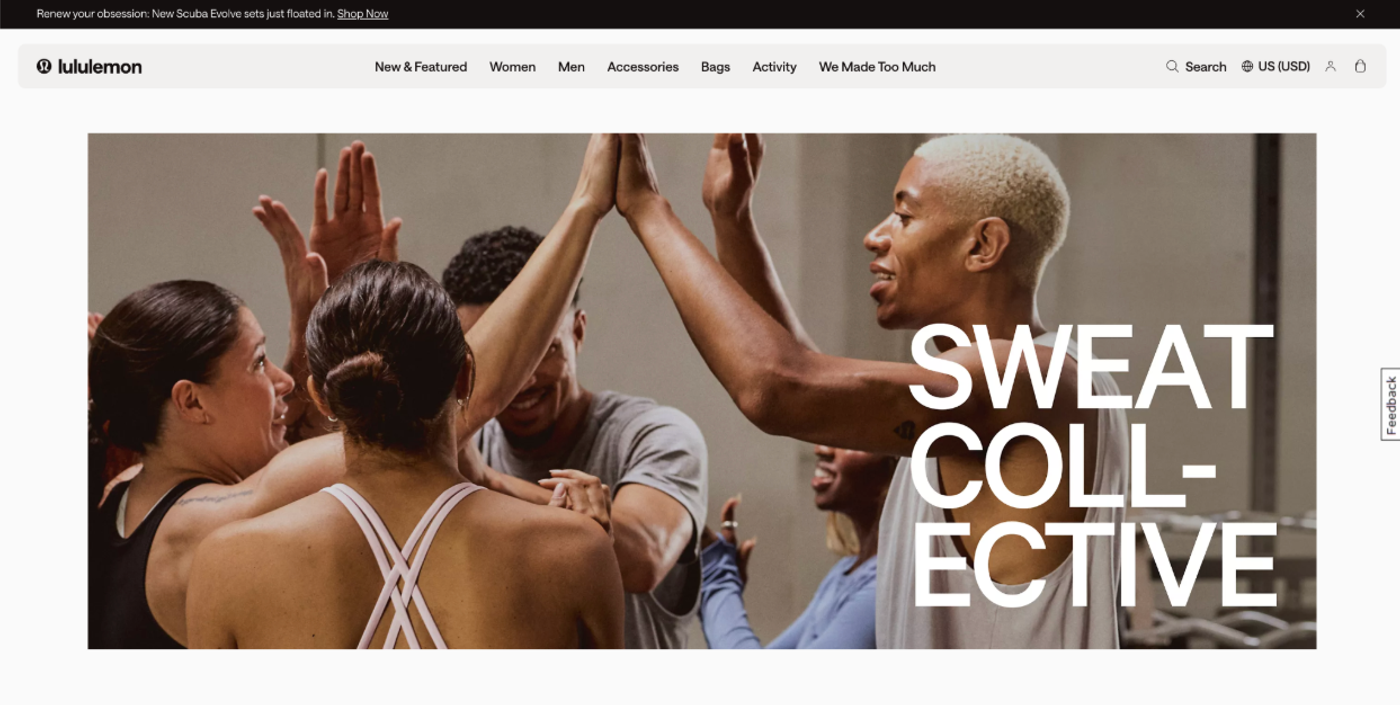
Lululemon Sweat Collective: The program is a tiered initiative for fitness instructors that combines product perks with real recognition, keeping instructors loyal for years rather than for one campaign cycle.
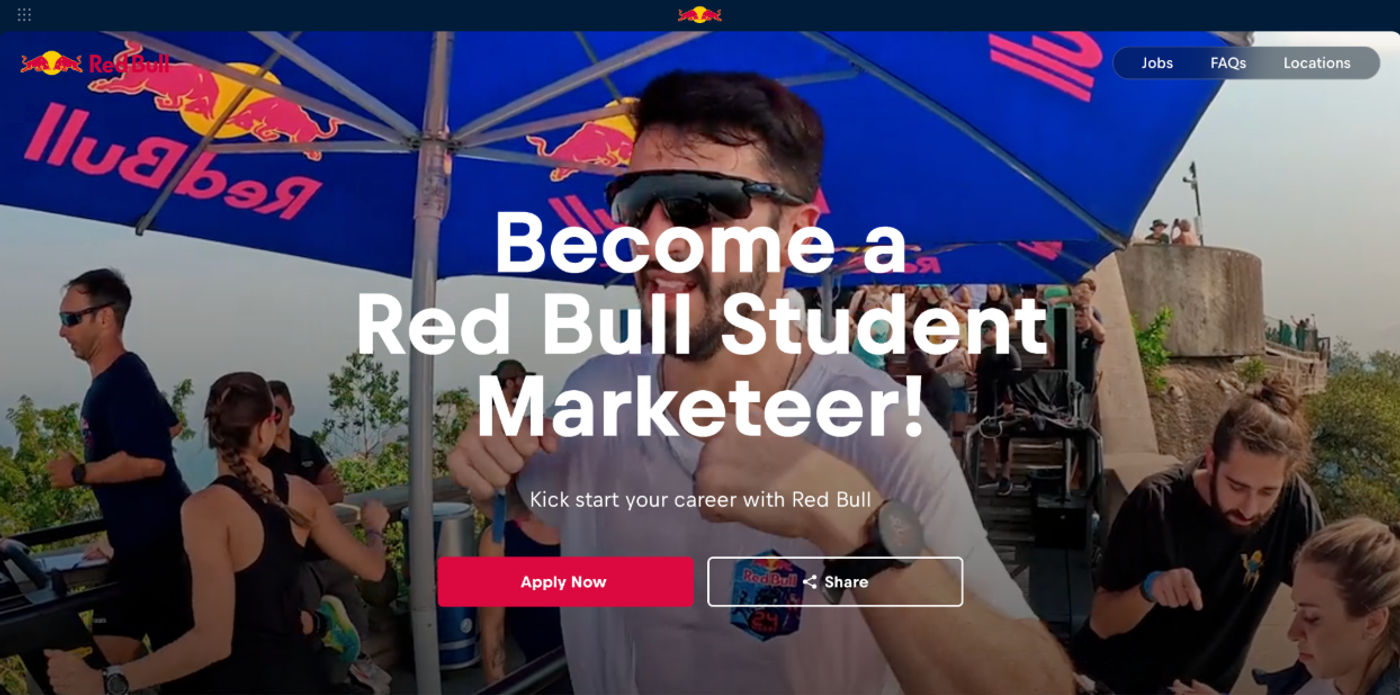
Red Bull Student Marketeers: The program recruits students on campuses worldwide and gives them event access and career mentorship, not just free product, helping explain why it has continued for decades.
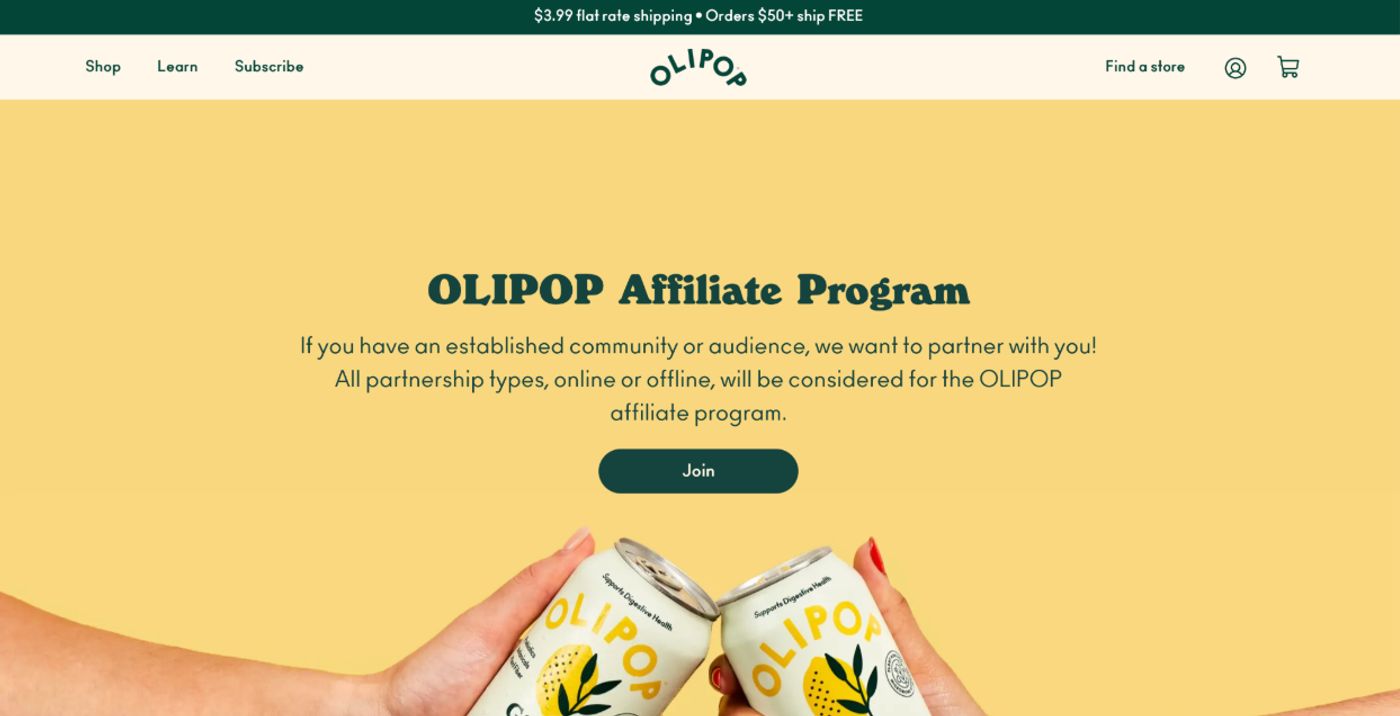
Olipop Creator Program: The program encourages peer-to-peer recipe and content sharing among creators, allowing the community to generate more ideas than any single content calendar could.
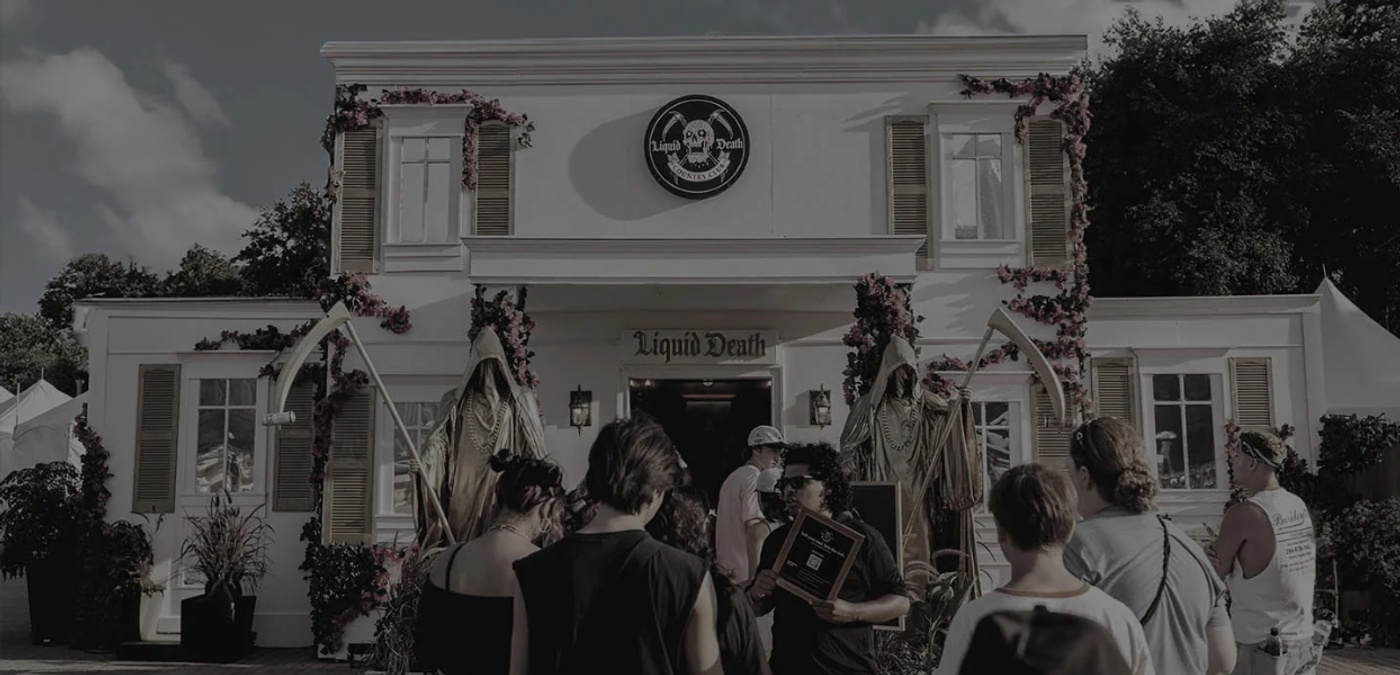
Liquid Death Country Club: The program wraps its creator relationships in humor and irreverence that match the brand voice, making the community feel like a natural extension of the product rather than a bolt-on.
The 6-Step Framework to Build a Creator Community
Ritual, recognition, and reciprocity sound good in theory, but they only mean something once you turn them into steps a team can actually run. Here's how to go from a loose idea of "community" to a system that keeps creators engaged long after the first campaign ends.
1. Define Your Community Identity
Before you pick a platform or write a welcome message, decide who belongs. What do your ideal creators care about beyond your product? What tone do they share? A community without a clear identity attracts anyone with a following, and a community that attracts anyone rarely holds together.
2. Choose the Right Gathering Space
Discord suits younger, high-frequency creator bases who want channels for everything from feedback to memes. Slack fits a more professional tone, especially for B2B-adjacent creators. Geneva and private Instagram groups work well for smaller, tight-knit groups. In-person meetups matter too, even quarterly ones, because nothing replaces a room full of people who've only known each other through screens.
3. Design Onboarding Rituals That Set the Tone
The first 48 hours inside your community set expectations for the entire relationship. Give new members a genuine welcome moment, not an automated bot message. Offer founding-member perks that reward early joiners specifically. Pair new creators with an intro circle of two or three existing members so nobody has to introduce themselves into a silent channel.
4. Build Recurring Touchpoints
A community that only hears from your brand during a product launch isn't a community. Weekly content prompts keep creators engaged between campaigns. Monthly office hours give members direct access to your team. Quarterly meetups, virtual or in-person, remind everyone the relationship is ongoing rather than transactional.
Want to put this into practice?
SideShift connects you with vetted UGC creators who actually deliver. Start your free trial and post your first job in under 10 minutes.
5. Create Recognition Systems
People stay where they feel seen. A creator-of-the-month spotlight, performance bonuses tied to genuine milestones, and tier promotions that come with visible status all give members a reason to keep showing up. Recognition doesn't need to be expensive. It needs to be consistent and specific to what that person actually did.
6. Enable Reciprocity Between Creators
The strongest communities eventually run themselves. Creators start referring their peers, collaborating on content together, and answering each other's questions before your team even sees the message. That's the signal a community has crossed from brand-managed to genuinely self-sustaining.
The Pillars Every Brand Creator Community Needs
Strong creator communities tend to have a few things in common. They give creators consistent reasons to participate, make contributions feel valued, create opportunities for connection, and offer something useful beyond individual campaigns.
We can break those elements into four pillars: ritual, recognition, reciprocity, and resources.
- Ritual: recurring touchpoints that create consistency, from monthly calls and challenges to regular updates or check-ins
- Recognition: meaningful ways to acknowledge creator contributions, whether through features, early opportunities, milestones, or direct feedback
- Reciprocity: opportunities for creators to connect, exchange ideas, and support each other rather than every relationship running exclusively through the brand
- Resources: tools, education, information, access, and other benefits that make participating in the community genuinely useful
Putting these pillars into practice at scale requires the right systems for communication, creator management, and ongoing engagement.
Tools for Managing a Creator Community
The right tool depends on what you need your creator community to do. Some platforms are best for conversation and peer connection, while others help brands manage the operational side of creator relationships.
- Discord: a flexible option for creating channels around announcements, resources, campaigns, interests, or general creator conversation
- Slack: familiar to many professional teams and useful for smaller communities that prioritize organized communication and direct access to brand contacts
- Geneva: a more casual, community-focused option that combines group chats, dedicated spaces, events, and other social features
- Circle: a structured, branded community platform with spaces for discussions, resources, events, and educational content
- Mighty Networks: useful for brands building a more robust membership experience around community, events, courses, and other exclusive content
- SideShift: a UGC creator platform that handles the operational side of creator relationships, including creator discovery, campaign management, payments, and marketplace management
You don’t necessarily need one platform to do everything. A brand might use Discord or Circle for day-to-day community engagement while using a dedicated creator management platform like SideShift to handle campaigns, deliverables, payments, and other administrative work behind the scenes.
Community Management Staffing
A creator community needs a clear owner. Depending on the size and complexity of the program, that might be an existing member of the marketing team, a dedicated community manager, or a combination of human oversight and creator management tools.
Want to put this into practice?
SideShift connects you with vetted UGC creators who actually deliver. Start your free trial and post your first job in under 10 minutes.
The goal is to make sure someone is responsible for welcoming new members, maintaining recurring touchpoints, answering questions, recognizing contributions, and noticing when engagement starts to drop. As the community grows, tools can take repetitive administrative work off their plate so more time can go toward actual creator relationships.
Why Most Creator Communities Fail
Creator communities rarely stay active simply because a brand created a Slack channel or invited everyone to a platform. Without a reason to return, participation can naturally taper off after the initial excitement.
Weak onboarding can leave creators unsure of what the community offers or how to participate. Inconsistent communication makes it easy to disengage. And if recognition, resources, events, or other benefits disappear after launch, membership may stop feeling valuable. Building the community is only the beginning; maintaining it requires consistent attention.
Measuring Community Health
Community health is more nuanced than the number of creators who have joined. Look at a combination of participation and relationship metrics to understand whether creators are actually finding value in the program and creating value for your business.
Creator retention can show whether members continue participating over time, while active participation reveals how many creators are engaging with community initiatives rather than simply remaining on the roster. Creator-to-creator interactions can help indicate whether peer relationships are developing, and organic brand mentions or content can provide another signal of creator affinity outside contracted deliverables.
Periodic surveys or direct feedback can add context that engagement metrics can’t. Ask creators what they find valuable, what they rarely use, and what would make the community more useful to them.
Your First 90 Days: A Sample Rollout
There’s no universal timeline for building a creator community, but a 90-day rollout gives teams a practical starting point. Creator communities often lose momentum when the initial excitement wears off and there’s no clear reason to return. Creators need recurring moments they can anticipate and participate in.
Events can be especially valuable here. As more of the creator relationship happens digitally, in-person experiences give creators a chance to interact with the people behind the brand, meet other creators, experience products firsthand, and naturally capture content along the way.
That might mean a launch party, creator dinner, studio day, workshop, product preview, community class, or annual creator trip. For geographically dispersed communities, virtual events, office hours, challenges, and group calls can create a similar recurring rhythm.
The format matters less than the consistency. Weekly, monthly, quarterly, or annually, creators should have some idea of when they’ll hear from you and what they can look forward to next. Your first 90 days are an opportunity to establish that cadence:
Weeks 1-2: Build the Foundation
Define why the community exists, who it’s for, where it will live, and who on your team owns it. Recruit a small founding group rather than focusing on scale immediately. Ask those creators what they’d actually want from the community, including the types of events, access, education, or connections they would find valuable.
Want to put this into practice?
SideShift connects you with vetted UGC creators who actually deliver. Start your free trial and post your first job in under 10 minutes.
Weeks 3-6: Give Creators a Reason to Come Back
Onboard your founding members and introduce your first recurring touchpoint. It could be a monthly creator call, weekly prompt, office hours, product drop, newsletter, or community challenge. Make the cadence clear from the beginning so creators know this isn’t a one-time activation.
Weeks 7-10: Create a Shared Experience
Host your first event or activation. If possible, lean into an IRL experience that gives creators direct access to the brand and one another: a launch event, dinner, workshop, behind-the-scenes tour, shoot day, or product experience. The goal doesn’t have to be generating a specific number of posts. Give creators an experience worth participating in, and make content creation easy rather than mandatory.
Weeks 11-13: Listen, Refine, and Schedule What’s Next
Look at what creators actually participated in rather than what your team assumed they would enjoy. Ask what they want more or less of, adjust your cadence, and most importantly, put the next touchpoint on the calendar. Momentum is much easier to maintain when creators already know what’s coming next.
Build Your Creator Community with SideShift
A creator community pays off long after the first campaign ends. If you're ready to move past one-off deals, start by exploring potential brand ambassadors who fit your identity, and look closely at micro-influencers and nano-influencers. The smaller creators tend to build the strongest communities because their audiences trust them the most.
As your creator network grows, keeping those relationships organized becomes just as important as finding the right people. SideShift brings creator discovery, campaign management, content tracking, and payments into one place, giving your team the infrastructure to manage ongoing partnerships without relying on a patchwork of spreadsheets, DMs, and disconnected tools.
Ready to see what community-led growth looks like for your brand?
FAQs
1. How big should my creator community start?
Somewhere between 10 and 30 founding members is enough to create real interaction without feeling empty. A community that's too large too fast loses the intimacy that makes early members feel special.
2. What's the best platform for a creator community?
It depends more on your creators' habits than on your preference. Discord suits younger, high-frequency communities, Slack fits more professional groups, and Circle or Mighty Networks work well when you want a brand-owned space with structure built in.
3. How often should I post in a creator community?
Aim for at least one intentional touchpoint per week, whether that's a content prompt, a question, or a shoutout. Silence is what kills momentum fastest.
4. Do I need to pay creators in a community?
Most strong communities combine some form of compensation, product, or revenue share with non-monetary perks like recognition and access. Pure recognition rarely sustains a community on its own once creators have bills to pay.
5. How do I keep a creator community active?
Consistency matters more than intensity. Recurring touchpoints, visible recognition, and genuine responses from your team keep a community alive far more than the occasional big event.